


language
English
العربية
বাংলাদেশ
Български
Hrvatski
Česky
Dansk
Nederland
 Esperanto
Slovenski
Filipino
Suomi
Français
Maori
 Shqiptare
Georgian
 Euskara
Deutsch
Ελλάδα
ישראל
इंडिया
Magyarország
Ísland
Indonesia
Irlanda
Italia
日本語
Sovensko
Հայաստան
한국
Kyrgyz
ປະເທດລາວ
 Zulu
Zulu
Latvian
Lithuanian
Luxembourgish
 Latinus
Macedonian
Малайская
Maltese
Монгол улс
 Cymraeg
ဗမာ
 தமிழ்
தமிழ்
नेपाल
Norge
ایران
Polska
Portugal
România
Российская
Србија
 Slovak
Србија
 Slovak
Bosanski
Slovenian
Беларус
España
Sverige
Точик
ประเทศไทย
Türk
Azərbaycan
Uzbek
 Afrikaans
Việt Nam
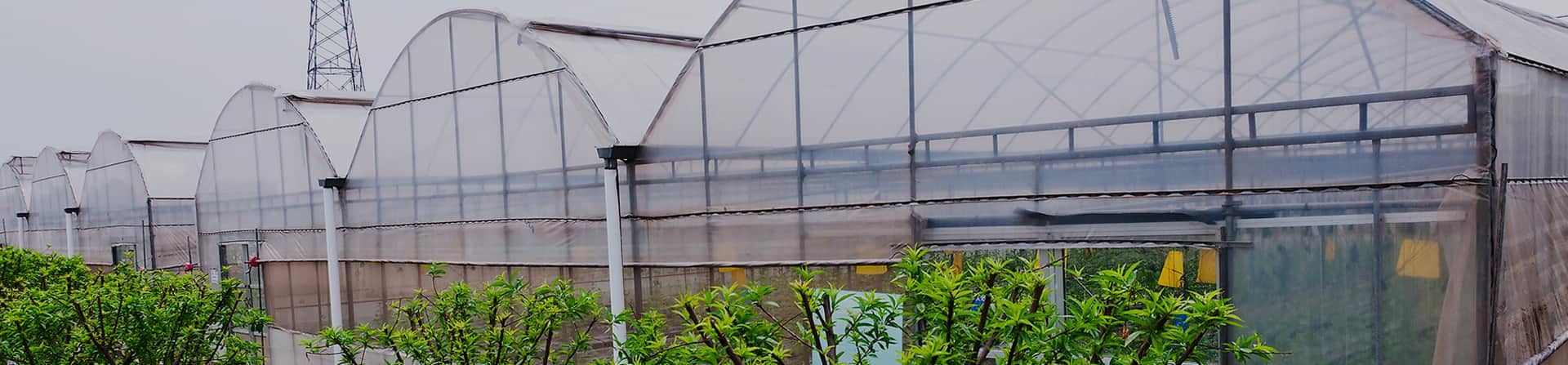
Enhancing Orchard Agriculture with Effective Bird Netting Solutions
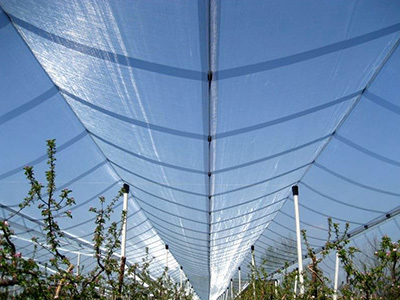
In orchard agriculture, bird netting has emerged as an essential practice to safeguard crops from birds that can cause significant damage. Birds are often attracted to ripe fruits, leading to losses in both quality and quantity of the harvest. Implementing bird netting in your orchard can greatly enhance your crop protection strategy.
Bird netting serves multiple purposes in orchard agriculture. Firstly, it acts as a physical barrier that prevents birds from accessing the fruit. This not only minimizes the risk of fruit damage but also reduces the likelihood of disease transmission caused by bird droppings. By installing bird netting, growers can maintain the integrity of their crops, ensuring that they reach optimal maturity without undue stress from pest interference.
When considering bird netting for your orchard, it is important to select the right type of netting material. Different nets are available, with variations in mesh size, durability, and UV resistance. A fine-mesh net is typically recommended to keep out smaller birds while allowing light and air to penetrate, promoting healthy growth. Additionally, the netting should be weather-resistant to withstand environmental conditions, thus ensuring longevity and effectiveness throughout the growing season.
Installation of bird netting can be straightforward, but it requires careful planning. Ensuring proper tension and securing the edges of the netting is vital to prevent birds from getting trapped or finding gaps to exploit. It is advisable to consult with agricultural experts or netting providers who can offer insights into the best practices for installation tailored to your specific orchard layout and crop type.
Maintenance is another key aspect of implementing bird netting in orchard agriculture. Regular inspections are necessary to identify any damage or wear that could reduce the effectiveness of the netting. Prompt repairs or replacements help maintain a high level of protection against avian pests. Furthermore, seasonal adjustments may be needed depending on the crop cycle, as different crops may attract varying bird species throughout the year.
In conclusion, bird netting represents a practical and effective solution for safeguarding your orchard crops from avian threats. By choosing the right netting materials, ensuring proper installation and maintenance, orchard agriculture can significantly reduce crop loss and enhance overall productivity. Growers who invest in quality bird netting will not only protect their harvest but also contribute to sustainable agricultural practices that benefit the environment and the economy.
Bird netting serves multiple purposes in orchard agriculture. Firstly, it acts as a physical barrier that prevents birds from accessing the fruit. This not only minimizes the risk of fruit damage but also reduces the likelihood of disease transmission caused by bird droppings. By installing bird netting, growers can maintain the integrity of their crops, ensuring that they reach optimal maturity without undue stress from pest interference.
When considering bird netting for your orchard, it is important to select the right type of netting material. Different nets are available, with variations in mesh size, durability, and UV resistance. A fine-mesh net is typically recommended to keep out smaller birds while allowing light and air to penetrate, promoting healthy growth. Additionally, the netting should be weather-resistant to withstand environmental conditions, thus ensuring longevity and effectiveness throughout the growing season.
Installation of bird netting can be straightforward, but it requires careful planning. Ensuring proper tension and securing the edges of the netting is vital to prevent birds from getting trapped or finding gaps to exploit. It is advisable to consult with agricultural experts or netting providers who can offer insights into the best practices for installation tailored to your specific orchard layout and crop type.
Maintenance is another key aspect of implementing bird netting in orchard agriculture. Regular inspections are necessary to identify any damage or wear that could reduce the effectiveness of the netting. Prompt repairs or replacements help maintain a high level of protection against avian pests. Furthermore, seasonal adjustments may be needed depending on the crop cycle, as different crops may attract varying bird species throughout the year.
In conclusion, bird netting represents a practical and effective solution for safeguarding your orchard crops from avian threats. By choosing the right netting materials, ensuring proper installation and maintenance, orchard agriculture can significantly reduce crop loss and enhance overall productivity. Growers who invest in quality bird netting will not only protect their harvest but also contribute to sustainable agricultural practices that benefit the environment and the economy.
Key words:
Related News

CONTACT US
Email: sales8@meyabond.com
Tel: +8618911966213
No.3 Yard, ZhongHe Road, 100071,FengTai District, Beijing, China
Email: sales8@meyabond.com
Tel: +8618911966213
No.3 Yard, ZhongHe Road, 100071,FengTai District, Beijing, China
Meyabond Industry
You can trust.
Contact Us
Address:
No.3 Yard, ZhongHe Road, 100071,FengTai District, Beijing, China