


language
English
العربية
বাংলাদেশ
Български
Hrvatski
Česky
Dansk
Nederland
 Esperanto
Slovenski
Filipino
Suomi
Français
Maori
 Shqiptare
Georgian
 Euskara
Deutsch
Ελλάδα
ישראל
इंडिया
Magyarország
Ísland
Indonesia
Irlanda
Italia
日本語
Sovensko
Հայաստան
한국
Kyrgyz
ປະເທດລາວ
 Zulu
Zulu
Latvian
Lithuanian
Luxembourgish
 Latinus
Macedonian
Малайская
Maltese
Монгол улс
 Cymraeg
ဗမာ
 தமிழ்
தமிழ்
नेपाल
Norge
ایران
Polska
Portugal
România
Российская
Србија
 Slovak
Србија
 Slovak
Bosanski
Slovenian
Беларус
España
Sverige
Точик
ประเทศไทย
Türk
Azərbaycan
Uzbek
 Afrikaans
Việt Nam
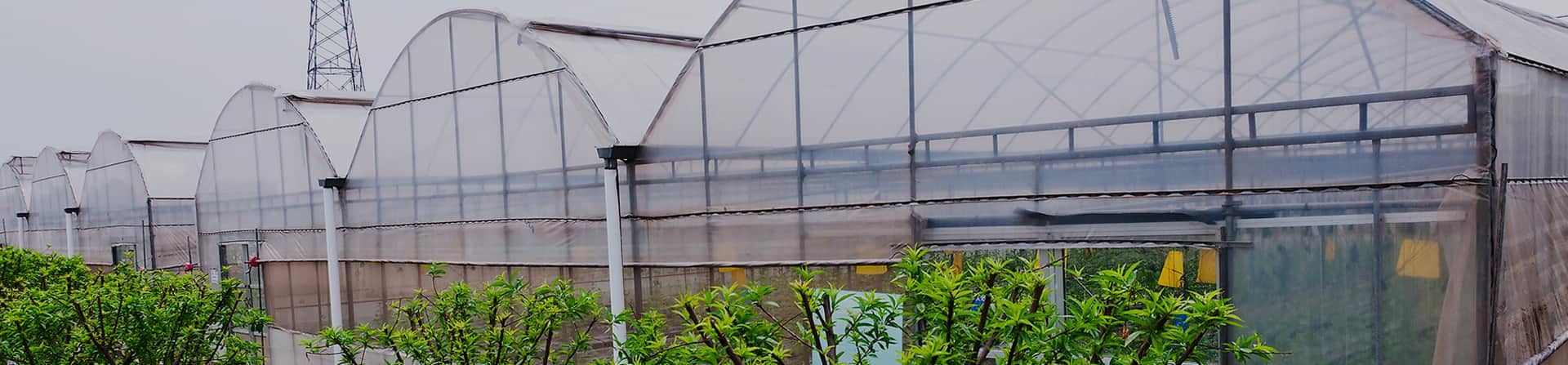
Maximizing Crop Safety: The Essential Role of Hail Protection with Plastic Mesh
Maximizing Crop Safety: The Essential Role of Hail Protection with Plastic Mesh
Table of Contents
- Introduction: Understanding the Need for Crop Protection
- The Impact of Hail on Agriculture: A Growing Concern
- What is Plastic Mesh? An Overview
- Benefits of Plastic Mesh for Crop Protection
- Installation and Maintenance of Plastic Mesh
- Economic Benefits of Using Plastic Mesh
- Case Studies: Success Stories in Crop Protection
- Frequently Asked Questions
- Conclusion: The Future of Crop Protection
Introduction: Understanding the Need for Crop Protection
In an era marked by unpredictable weather changes, agricultural producers face serious challenges, particularly from hailstorms that can devastate crops within minutes. As the agricultural sector strives to maintain high-yield production levels, the necessity for effective crop protection strategies has become paramount. This article explores the vital role of **plastic mesh** as a protective barrier against hail, examining its benefits, installation, and overall value to the farming community.
The Impact of Hail on Agriculture: A Growing Concern
Hail can inflict catastrophic damage on crops, leading to significant economic losses for farmers. Hailstones can range in size from small pellets to large stones that can destroy entire fields. The impact of hail not only affects the current crop yield but also has long-term consequences on soil health and future planting cycles. Understanding how hail damages crops is crucial for farmers in regions prone to such weather events.
Statistics on Hail Damage
Recent studies indicate that hailstorms can lead to crop loss ranging from 20% to over 80% depending on the crop type and hail intensity. For instance, certain fruits, such as cherries and grapes, are particularly vulnerable due to their delicate structures.
What is Plastic Mesh? An Overview
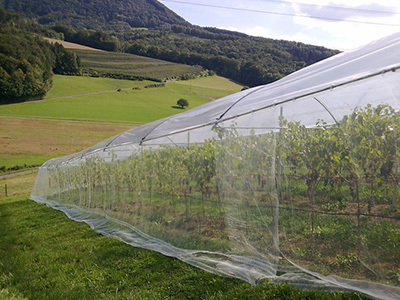
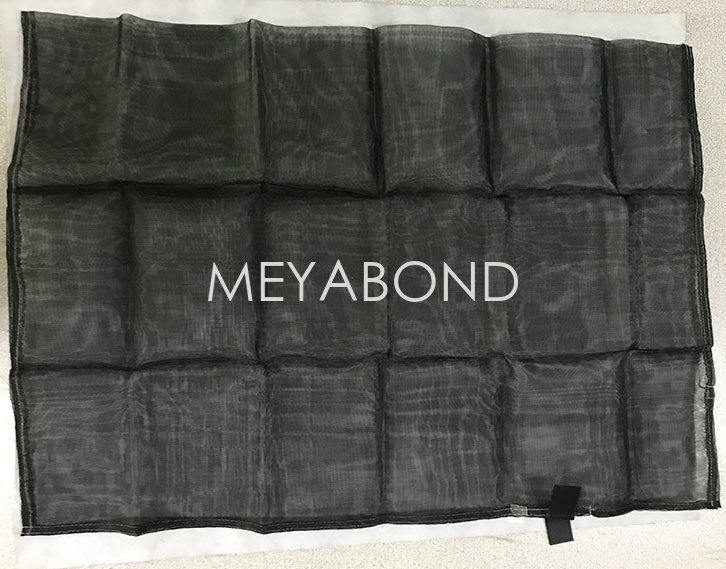
Plastic mesh is a versatile agricultural tool made from high-density polyethylene (HDPE) or polypropylene. It is designed to provide protection while allowing essential environmental factors—such as sunlight and water—to reach the plants. This material comes in various sizes and shapes, making it adaptable to different agricultural needs.
Types of Plastic Mesh
- **HDPE Mesh**: Known for its strength and UV resistance, HDPE mesh is a popular choice for hail protection.
- **Polypropylene Mesh**: This type is often used for lightweight applications and provides adequate protection at a lower cost.
Benefits of Plastic Mesh for Crop Protection
The use of plastic mesh offers a plethora of benefits that enhance crop safety and overall productivity.
Durability and Resilience
Plastic mesh is engineered to withstand harsh weather conditions, including strong winds and hail. Its robust construction ensures that it remains intact during storms, providing a reliable shield for crops. Farmers can minimize crop losses by investing in durable mesh that promises longevity and consistent performance.
Optimal Light Transmission for Healthy Growth
One of the standout features of plastic mesh is its ability to facilitate optimal light transmission. This property promotes healthy plant growth, as crops can receive adequate sunlight while being shielded from hail. Research indicates that plants protected by mesh exhibit better growth rates compared to those exposed to direct hail damage.
Enhanced Moisture Retention
Plastic mesh can help retain moisture in the soil, reducing the need for frequent irrigation. By preventing soil erosion and keeping the root zone moist, it supports plants’ hydration needs, leading to improved resilience against environmental stressors.
Installation and Maintenance of Plastic Mesh
Proper installation of plastic mesh is crucial for maximizing its protective benefits. Farmers should follow these guidelines:
Steps for Installation
1. **Site Assessment**: Evaluate the area to determine the optimal placement of the mesh.
2. **Preparation**: Clear the area of debris and ensure the soil is well-drained.
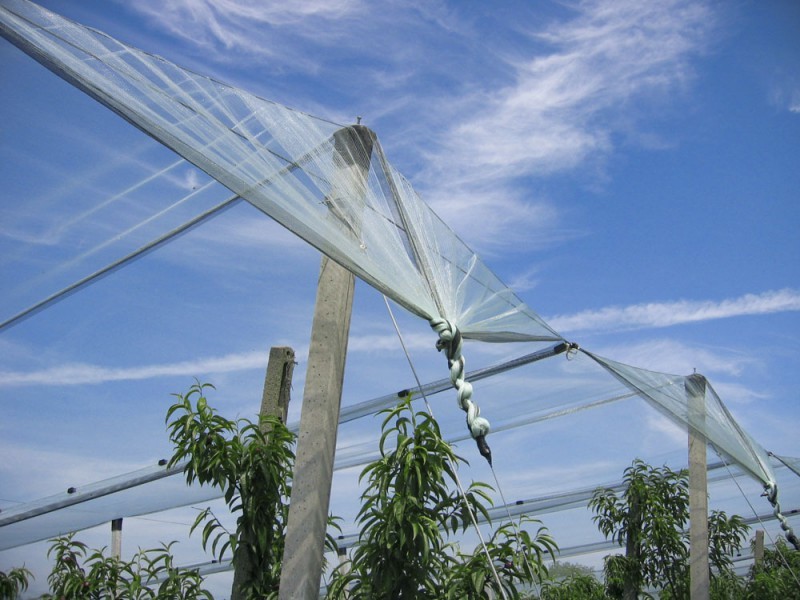
3. **Support Structure**: Install a sturdy frame or posts to support the mesh.
4. **Securing the Mesh**: Attach the mesh securely to the frame, ensuring there are no gaps.
5. **Regular Checks**: Periodically inspect the mesh for damage or sagging and make necessary adjustments.
Maintenance Tips
Maintaining plastic mesh is relatively easy. Regularly clean the mesh to remove dirt and debris that can hinder light penetration. Additionally, check for wear and tear, especially after severe weather events, to ensure that it remains an effective barrier.
Economic Benefits of Using Plastic Mesh
Investing in plastic mesh not only protects crops but also offers significant economic advantages.
Cost Savings on Crop Losses
By minimizing the risk of hail damage, farmers can protect their investments and ensure a better return on their produce. The initial cost of installation is often offset by the savings from reduced crop losses in the event of a hailstorm.
Increased Yield and Quality
Protected crops tend to yield higher quantities of quality produce, which can lead to better market prices and profitability for farmers.
Case Studies: Success Stories in Crop Protection
To illustrate the effectiveness of plastic mesh, let’s examine a few case studies from different agricultural sectors.
Case Study 1: Fruit Orchard Protection
A fruit orchard in Colorado installed HDPE plastic mesh to protect its cherry trees. After experiencing significant hail damage in previous years, the orchard reported a 40% increase in yield after implementing the mesh system, with no significant hail damage recorded during storms.
Case Study 2: Vegetable Farming
A vegetable farmer in California adopted polypropylene mesh for his tomato crops. The farmer noticed not only reduced hail damage but also improved growth rates and a decrease in irrigation costs due to better moisture retention.
Frequently Asked Questions
1. How effective is plastic mesh against hail damage?
Plastic mesh is highly effective at protecting crops from hail damage, significantly reducing losses during storms.
2. What types of crops benefit the most from plastic mesh?
Crops such as fruits (e.g., cherries and grapes) and delicate vegetables are particularly benefitted by the protective properties of plastic mesh.
3. Can plastic mesh be reused?
Yes, plastic mesh can be reused for multiple seasons if properly maintained.
4. How does plastic mesh affect pest control?
While primarily designed for hail protection, plastic mesh can also deter some pests, serving a dual purpose in crop protection.
5. What is the lifespan of plastic mesh?
Based on quality and maintenance, plastic mesh can last anywhere from 5 to 15 years.
Conclusion: The Future of Crop Protection
As climate change continues to impact agricultural practices, innovative solutions like **plastic mesh** play a crucial role in ensuring crop safety. By providing an effective barrier against hail, enhancing moisture retention, and promoting healthy growth, plastic mesh is an investment that farmers should consider. The documented success stories and economic benefits underscore the necessity of adapting protective measures to safeguard agricultural productivity for future generations. By embracing these technologies, we can contribute to a more resilient and sustainable agricultural landscape.
Key words:
Related News
CONTACT US
Email: sales8@meyabond.com
Tel: +8618911966213
No.3 Yard, ZhongHe Road, 100071,FengTai District, Beijing, China
Email: sales8@meyabond.com
Tel: +8618911966213
No.3 Yard, ZhongHe Road, 100071,FengTai District, Beijing, China
Meyabond Industry
You can trust.
Contact Us
Address:
No.3 Yard, ZhongHe Road, 100071,FengTai District, Beijing, China