


language
English
العربية
বাংলাদেশ
Български
Hrvatski
Česky
Dansk
Nederland
 Esperanto
Slovenski
Filipino
Suomi
Français
Maori
 Shqiptare
Georgian
 Euskara
Deutsch
Ελλάδα
ישראל
इंडिया
Magyarország
Ísland
Indonesia
Irlanda
Italia
日本語
Sovensko
Հայաստան
한국
Kyrgyz
ປະເທດລາວ
 Zulu
Zulu
Latvian
Lithuanian
Luxembourgish
 Latinus
Macedonian
Малайская
Maltese
Монгол улс
 Cymraeg
ဗမာ
 தமிழ்
தமிழ்
नेपाल
Norge
ایران
Polska
Portugal
România
Российская
Србија
 Slovak
Србија
 Slovak
Bosanski
Slovenian
Беларус
España
Sverige
Точик
ประเทศไทย
Türk
Azərbaycan
Uzbek
 Afrikaans
Việt Nam
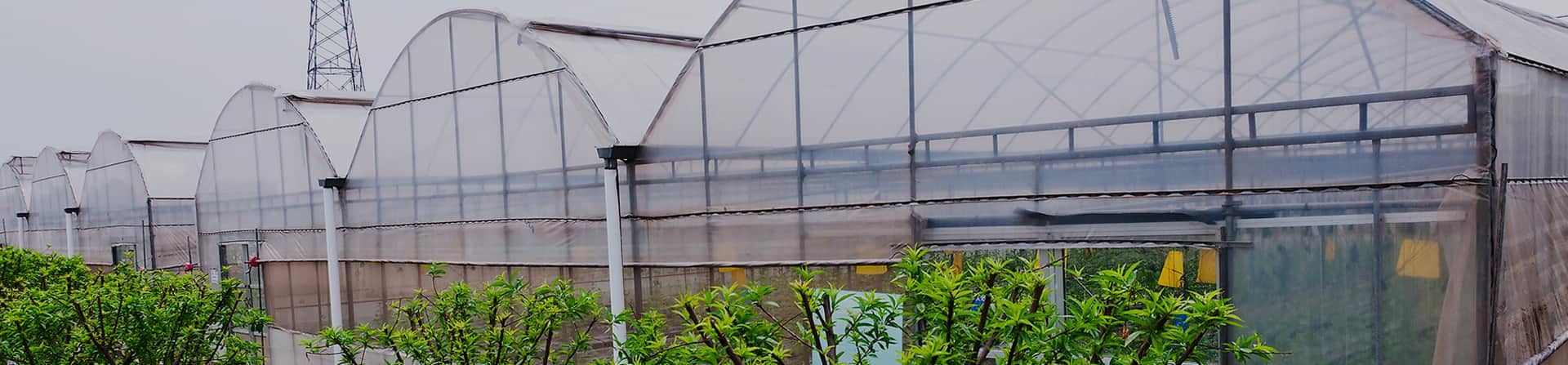
Protect Your Crops: The Comprehensive Guide to Tree Protection Nets
Protect Your Crops: The Comprehensive Guide to Tree Protection Nets
Table of Contents
- Introduction to Tree Protection Nets
- What Are Tree Protection Nets?
- Why Are Tree Protection Nets Important?
- Key Benefits of Using Tree Protection Nets
- Effective Pest Control
- Protection from Extreme Weather
- Enhanced Photosynthesis
- Cost-Effective Investment
- Types of Tree Protection Nets
- Installation and Maintenance Tips
- Common Mistakes to Avoid
- Frequently Asked Questions
- Conclusion
Introduction to Tree Protection Nets
In the dynamic world of agriculture, safeguarding crops is paramount. Tree protection nets emerge as a vital solution, offering a **protective barrier** against a variety of threats. From rampant pests to unpredictable weather conditions, these nets play an essential role in ensuring the **health and productivity** of your crops. This guide delves into the significance, benefits, and practical aspects of using tree protection nets.
What Are Tree Protection Nets?
Tree protection nets are specialized **agricultural fabrics** designed to shield trees and crops from external threats. These nets are typically made from durable materials, providing a **physical barrier** while allowing essential elements like sunlight and moisture to penetrate. Their effectiveness lies in their ability to deter pests and protect plants from environmental stressors.
Why Are Tree Protection Nets Important?
The importance of tree protection nets cannot be overstated. They serve multiple functions that together contribute to a successful growing season:
- **Pest Prevention:** By creating a physical barrier, these nets significantly reduce the likelihood of pest infestations.
- **Weather Resilience:** They provide crucial protection against harsh weather conditions, such as heavy rain, hail, and extreme temperatures.
- **Promoting Growth:** Keeping pests and harsh conditions at bay allows your plants to thrive, ultimately leading to a more abundant harvest.
Key Benefits of Using Tree Protection Nets
Investing in tree protection nets comes with numerous advantages that can ultimately enhance your overall agricultural output.
Effective Pest Control
One of the primary benefits of tree protection nets is their ability to **effectively control pests**. Insects, birds, and other animals can wreak havoc on crops, leading to significant losses. By employing these nets, you provide a **first line of defense** against unwanted visitors, ensuring your plants remain unharmed.
Protection from Extreme Weather
Weather-related challenges pose a constant threat to successful crop production. Tree protection nets act as a buffer, shielding your plants from:
- **Heavy Rain:** Prevents soil erosion and flooding around the root system.
- **Hail Damage:** Protects delicate foliage from being shredded.
- **Strong Winds:** Stabilizes young plants, preventing breakage.
This protective aspect can be crucial during particularly unpredictable seasons.
Enhanced Photosynthesis
Interestingly, tree protection nets allow sunlight to filter through while blocking harmful UV rays. This balance enhances the process of **photosynthesis**, resulting in healthier plants and ultimately, a more fruitful harvest. By ensuring that your crops receive adequate light without the detrimental effects of excessive exposure, you promote optimal growth.
Cost-Effective Investment
Tree protection nets are a cost-effective solution for farmers and agricultural businesses. While there is an upfront investment, the long-term benefits, including increased yields and reduced pest damage, often outweigh the initial costs. Additionally, using these nets can diminish the need for chemical pesticides, promoting a more sustainable approach to farming.
Types of Tree Protection Nets
With various options available, selecting the right type of tree protection net depends largely on your specific needs and environmental conditions. Here are some common types:
- **Anti-Bird Nets:** Designed to keep birds away, preventing them from pecking at ripe fruits.
- **Insect Mesh Nets:** Fine mesh that blocks smaller pests while allowing air and light to circulate.
- **Frost Protection Nets:** Helps shield young plants from frost damage during colder months.
- **Shade Nets:** Ideal for protecting delicate plants from excessive sunlight and heat.
Understanding the specific threats to your crops will help you choose the most effective net.
Installation and Maintenance Tips
Proper installation and maintenance are crucial for maximizing the benefits of tree protection nets.
Installation Guide
1. **Select the Right Size:** Measure the area you intend to cover and choose a net that fits appropriately.
2. **Secure the Base:** Use stakes or anchors to secure the base of the net, ensuring that it does not come loose in windy conditions.
3. **Leave Space for Growth:** Ensure that the net provides adequate space for growth, particularly for young plants.
4. **Regular Inspections:** Check for any damage or wear regularly, replacing nets as necessary to maintain effectiveness.
Maintenance Tips
- **Clean the Nets:** Remove debris and dirt to prevent mold and deterioration.
- **Repair Damage Promptly:** Address any tears or holes quickly to maintain protection.
- **Monitor Plant Health:** Keep an eye on your plants to ensure they are thriving under the nets.
Common Mistakes to Avoid
Even with the best intentions, mistakes can occur when using tree protection nets. Here are a few common pitfalls to avoid:
1. **Insufficient Coverage:** Not covering the entire area can lead to pest infestations.
2. **Over-tightening the Net:** This can damage young plants or restrict their growth.
3. **Neglecting Ventilation:** Ensure that the net allows for adequate airflow; otherwise, it can create a humid environment that fosters mold.
Frequently Asked Questions
1. How long do tree protection nets last?
Tree protection nets can last several seasons if properly maintained, typically around 3-5 years depending on the material and environmental conditions.
2. Are tree protection nets environmentally friendly?
Yes, most tree protection nets are made from recyclable materials and help reduce the need for chemical pesticides, making them a sustainable option.
3. Can I use tree protection nets for indoor plants?
While primarily designed for outdoor use, smaller nets can also be adapted for indoor plants to guard against pests.
4. Do I need to remove the nets during the growing season?
In most cases, it is not necessary to remove the nets as they are designed to allow sunlight and rain through, but periodic checks are essential.
5. Can tree protection nets be customized?
Yes, many suppliers offer customizable options to fit specific sizes and requirements for your agricultural needs.
Conclusion
Tree protection nets are an invaluable asset for anyone involved in agriculture, offering a robust solution to various threats that can compromise crop health and yield. By shielding your plants from pests and extreme weather, enhancing photosynthesis, and serving as a cost-effective investment, these nets significantly contribute to successful farming practices. Implementing the right type of protection and maintaining it properly can ensure that you reap the rewards of your labor, leading to a bountiful harvest season after season. Make the choice to invest in tree protection nets today, and watch your crops flourish like never before.
Key words:
Related News


CONTACT US
Email: sales8@meyabond.com
Tel: +8618911966213
No.3 Yard, ZhongHe Road, 100071,FengTai District, Beijing, China
Email: sales8@meyabond.com
Tel: +8618911966213
No.3 Yard, ZhongHe Road, 100071,FengTai District, Beijing, China
Meyabond Industry
You can trust.
Contact Us
Address:
No.3 Yard, ZhongHe Road, 100071,FengTai District, Beijing, China