


language
English
العربية
বাংলাদেশ
Български
Hrvatski
Česky
Dansk
Nederland
 Esperanto
Slovenski
Filipino
Suomi
Français
Maori
 Shqiptare
Georgian
 Euskara
Deutsch
Ελλάδα
ישראל
इंडिया
Magyarország
Ísland
Indonesia
Irlanda
Italia
日本語
Sovensko
Հայաստան
한국
Kyrgyz
ປະເທດລາວ
 Zulu
Zulu
Latvian
Lithuanian
Luxembourgish
 Latinus
Macedonian
Малайская
Maltese
Монгол улс
 Cymraeg
ဗမာ
 தமிழ்
தமிழ்
नेपाल
Norge
ایران
Polska
Portugal
România
Российская
Србија
 Slovak
Србија
 Slovak
Bosanski
Slovenian
Беларус
España
Sverige
Точик
ประเทศไทย
Türk
Azərbaycan
Uzbek
 Afrikaans
Việt Nam
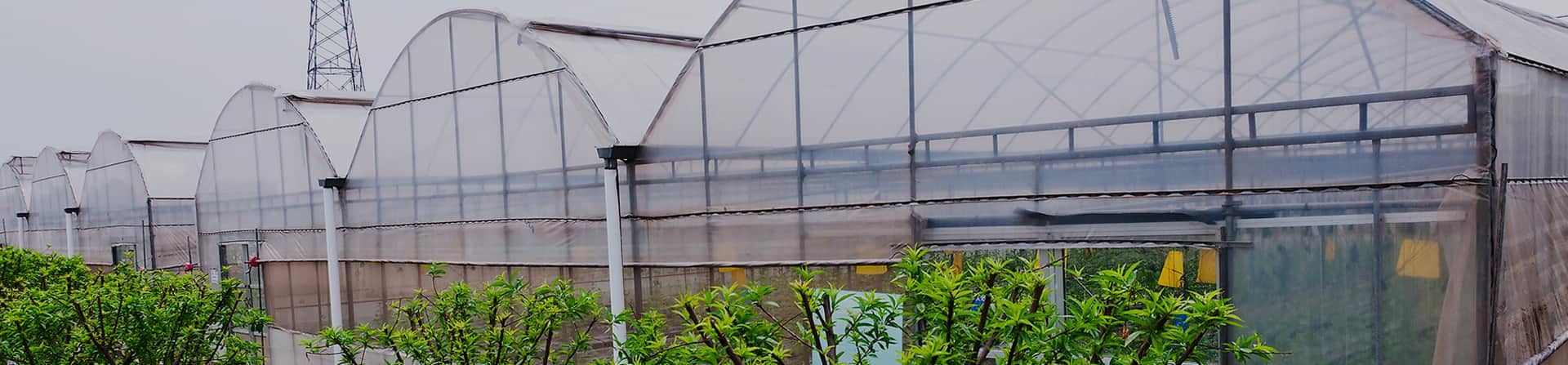
The Essential Benefits of Green Cover Nets in Modern Agriculture
In the realm of modern agriculture, "green cover nets" have emerged as invaluable tools for enhancing crop productivity and protecting plants from various environmental challenges. These specialized nets serve multiple purposes, making them a versatile asset for farmers and horticulturists alike.
First and foremost, green cover nets provide essential shade to crops, which is particularly beneficial in regions with intense sunlight. By reducing the amount of direct sunlight reaching the plants, these nets help to maintain optimal temperatures, thereby minimizing heat stress. This is crucial for young seedlings and delicate plants that may otherwise suffer from sunburn or dehydration. With the right amount of shade, crops can thrive, leading to improved yields and better-quality produce.
Moreover, green cover nets play a significant role in pest management. They create a physical barrier that can deter various insects and birds that pose threats to crops. By limiting access to these pests, farmers can reduce the need for chemical pesticides, promoting a more sustainable approach to farming. This not only benefits the environment but also results in cleaner and safer food products for consumers.
In addition to pest protection, these nets can also provide support for climbing plants. In many agricultural practices, particularly in the cultivation of fruits and vegetables, providing structure is essential for proper growth. Green cover nets can be strategically placed to assist plants in climbing, thereby optimizing space and increasing light exposure for all parts of the plant.
Another remarkable feature of green cover nets is their ability to manage wind and rainfall. In areas prone to high winds, these nets can help shield delicate crops from physical damage. Simultaneously, they can assist in regulating water distribution by reducing soil erosion and preventing excessive water loss. This is particularly vital during heavy rainfall, where soil can easily wash away, taking valuable nutrients with it.
Furthermore, green cover nets contribute to the overall aesthetic appeal of agricultural fields. They can create visually striking patterns when used extensively, which can enhance the marketability of local produce. Farmers embracing modern techniques, including the use of green cover nets, often find themselves at an advantage in today's competitive agricultural landscape.
In conclusion, the integration of green cover nets into agricultural practices offers a multitude of benefits. From providing shade and pest protection to supporting plant growth and managing environmental factors, these nets are a practical solution for enhancing productivity and sustainability. As the agriculture industry continues to evolve, adopting such innovative tools will be essential for farmers aiming to thrive in a changing environment. Embracing green cover nets not only aids in the immediate growth of crops but also contributes to long-term agricultural sustainability.
First and foremost, green cover nets provide essential shade to crops, which is particularly beneficial in regions with intense sunlight. By reducing the amount of direct sunlight reaching the plants, these nets help to maintain optimal temperatures, thereby minimizing heat stress. This is crucial for young seedlings and delicate plants that may otherwise suffer from sunburn or dehydration. With the right amount of shade, crops can thrive, leading to improved yields and better-quality produce.
Moreover, green cover nets play a significant role in pest management. They create a physical barrier that can deter various insects and birds that pose threats to crops. By limiting access to these pests, farmers can reduce the need for chemical pesticides, promoting a more sustainable approach to farming. This not only benefits the environment but also results in cleaner and safer food products for consumers.
In addition to pest protection, these nets can also provide support for climbing plants. In many agricultural practices, particularly in the cultivation of fruits and vegetables, providing structure is essential for proper growth. Green cover nets can be strategically placed to assist plants in climbing, thereby optimizing space and increasing light exposure for all parts of the plant.
Another remarkable feature of green cover nets is their ability to manage wind and rainfall. In areas prone to high winds, these nets can help shield delicate crops from physical damage. Simultaneously, they can assist in regulating water distribution by reducing soil erosion and preventing excessive water loss. This is particularly vital during heavy rainfall, where soil can easily wash away, taking valuable nutrients with it.
Furthermore, green cover nets contribute to the overall aesthetic appeal of agricultural fields. They can create visually striking patterns when used extensively, which can enhance the marketability of local produce. Farmers embracing modern techniques, including the use of green cover nets, often find themselves at an advantage in today's competitive agricultural landscape.
In conclusion, the integration of green cover nets into agricultural practices offers a multitude of benefits. From providing shade and pest protection to supporting plant growth and managing environmental factors, these nets are a practical solution for enhancing productivity and sustainability. As the agriculture industry continues to evolve, adopting such innovative tools will be essential for farmers aiming to thrive in a changing environment. Embracing green cover nets not only aids in the immediate growth of crops but also contributes to long-term agricultural sustainability.
Key words:
Related News


CONTACT US
Email: sales8@meyabond.com
Tel: +8618911966213
No.3 Yard, ZhongHe Road, 100071,FengTai District, Beijing, China
Email: sales6@meyabond.com
Tel: +8618911963856
No.3 Yard, ZhongHe Road, 100071,FengTai District, Beijing, China
Meyabond Industry
You can trust.
Contact Us
Address:
No.3 Yard, ZhongHe Road, 100071,FengTai District, Beijing, China