


language
English
العربية
বাংলাদেশ
Български
Hrvatski
Česky
Dansk
Nederland
 Esperanto
Slovenski
Filipino
Suomi
Français
Maori
 Shqiptare
Georgian
 Euskara
Deutsch
Ελλάδα
ישראל
इंडिया
Magyarország
Ísland
Indonesia
Irlanda
Italia
日本語
Sovensko
Հայաստան
한국
Kyrgyz
ປະເທດລາວ
 Zulu
Zulu
Latvian
Lithuanian
Luxembourgish
 Latinus
Macedonian
Малайская
Maltese
Монгол улс
 Cymraeg
ဗမာ
 தமிழ்
தமிழ்
नेपाल
Norge
ایران
Polska
Portugal
România
Российская
Србија
 Slovak
Србија
 Slovak
Bosanski
Slovenian
Беларус
España
Sverige
Точик
ประเทศไทย
Türk
Azərbaycan
Uzbek
 Afrikaans
Việt Nam
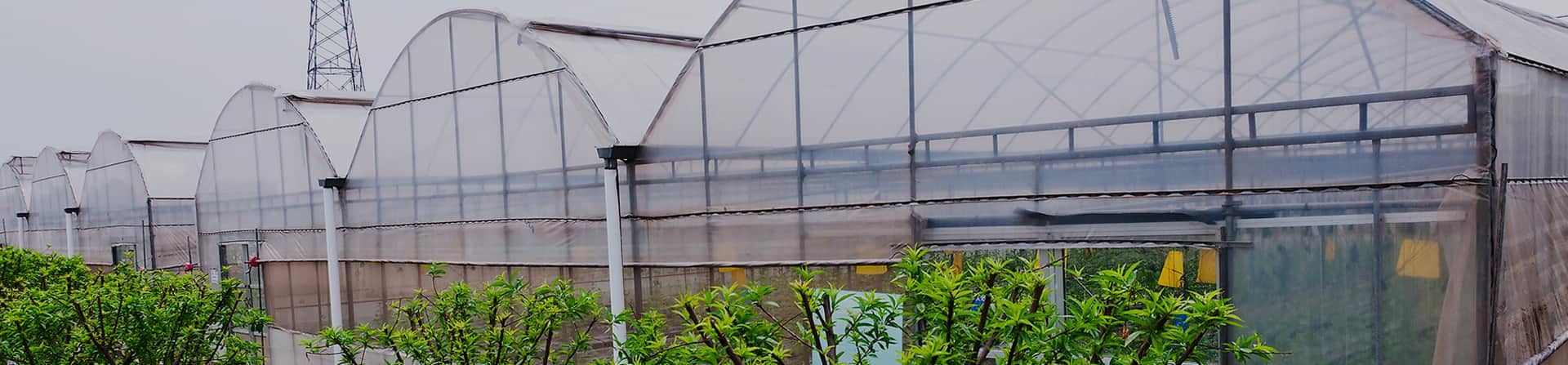
Top Benefits of Using Protective Covers in Greenhouse Management
Top Benefits of Using Protective Covers in Greenhouse Management
Introduction to Protective Covers in Greenhouse Management
In the world of greenhouse management, **protective covers** serve as a critical element for ensuring optimal plant growth and health. As agricultural practices become more sophisticated, understanding how to effectively utilize these covers can significantly impact productivity and sustainability. This article will delve into the myriad benefits of using protective covers, providing insights that can elevate greenhouse management practices.
Understanding Protective Covers
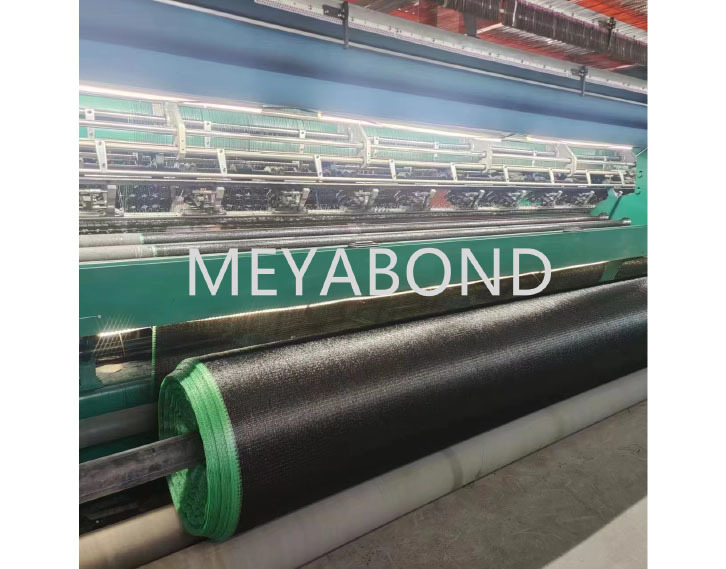
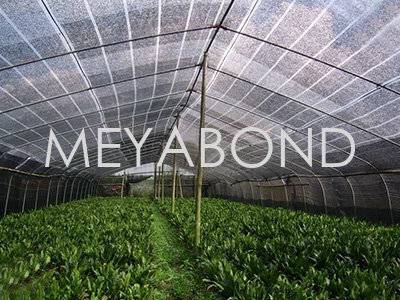
Protective covers come in various forms, including **shade cloths**, **row covers**, and **plastic films**. These materials play a vital role in creating a controlled environment for plants, protecting them from harsh weather conditions, pests, and diseases.
Types of Protective Covers
1. Shade Cloths
Shade cloths are essential for moderating light intensity and temperature within the greenhouse. They come in various densities, allowing growers to choose the right level of shading based on specific plant needs.
2. Row Covers
Row covers, often made from lightweight fabric, are perfect for protecting plants from frost, insects, and other environmental stressors. Their versatility makes them an indispensable tool for many growers.
3. Plastic Films
Plastic films are commonly used for greenhouse glazing. They help maintain humidity levels, temperature, and light penetration, creating an ideal environment for crops.
Key Benefits of Using Protective Covers in Greenhouse Management
The advantages of integrating protective covers into greenhouse management strategies are manifold. Here, we highlight the most significant benefits.
1. Enhanced Crop Yield
Using protective covers can lead to increased crop yields. By shielding plants from extreme weather conditions, we provide them with a stable environment that promotes healthy growth. Studies have shown that crops grown under protective covers often yield more than those grown without.
2. Improved Pest and Disease Management
Protective covers act as a physical barrier against pests and diseases. By preventing insects from reaching the plants, we reduce the need for chemical pesticides, promoting a healthier growing environment and aligning with sustainable agricultural practices.
3. Energy Efficiency and Cost Savings
The use of protective covers can significantly reduce energy costs associated with heating and cooling the greenhouse. By maintaining a more stable internal temperature, we minimize energy consumption and lower operating costs, ultimately leading to more profitable operations.
4. Extended Growing Seasons
With protective covers, we can extend growing seasons significantly. These covers protect plants from the cold, allowing for earlier planting in the spring and prolonged harvesting in the fall. This capability translates into increased profits and a more diverse crop portfolio.
5. Climate Control
Protective covers enable precise climate control within the greenhouse. By filtering sunlight and reducing heat fluctuations, we can create an ideal microclimate for plant growth. This control is especially valuable in regions with extreme weather variations.
6. Water Conservation
Implementing protective covers can lead to improved water retention in the soil. By moderating evaporation rates, these covers allow for more efficient water usage, which is crucial in sustainable farming practices.
7. Soil Protection and Enhancement
Soil health is vital for productive farming, and protective covers help in maintaining soil quality. By preventing soil erosion and limiting nutrient leaching, we can cultivate healthier soil that fosters robust plant growth.
8. Versatility in Planting Techniques
Protective covers support innovative planting techniques such as **vertical gardening** and **hydroponics**. These methods maximize space usage and contribute to higher yields, making greenhouse management more efficient.
How to Choose the Right Protective Cover
Selecting the appropriate protective cover depends on several factors, including crop type, climate conditions, and management goals. Here are some considerations to guide your decision-making process:
1. Assess Your Crop Needs
Different crops have unique requirements. Assess the specific light, temperature, and humidity needs of your crops to choose the most suitable protective cover.
2. Consider Local Climate
The regional climate plays a crucial role in determining the effectiveness of protective covers. Evaluate the seasonal weather patterns and select covers that can withstand local conditions.
3. Budget and Cost-Effectiveness
Evaluate your budget and consider the long-term benefits of investing in high-quality protective covers. While initial costs may be higher, the long-term savings and productivity gains can outweigh these expenses.
4. Durability and Maintenance
Choose protective covers that are durable and require minimal maintenance. Consider factors such as UV resistance, lifespan, and ease of installation to ensure that your investment is worthwhile.
FAQs About Protective Covers in Greenhouse Management
1. What are the most common types of protective covers used in greenhouses?
The most common types include shade cloths, row covers, and plastic films. Each serves specific purposes, such as protecting crops from pests, regulating temperature, and filtering sunlight.
2. How do protective covers affect the growth rate of plants?
Protective covers create a stable environment that promotes healthier plant growth by controlling temperature, humidity, and light, leading to increased growth rates.
3. Can protective covers be reused?
Yes, many protective covers are designed for multiple seasons. However, their lifespan depends on the material and the conditions they face, so it's essential to inspect them regularly.
4. Are there any downsides to using protective covers?
While protective covers provide numerous benefits, they may also require an initial investment and ongoing maintenance. It's crucial to choose the right type for your specific needs.
5. How can I enhance the effectiveness of protective covers in my greenhouse?
Enhancing effectiveness includes regular monitoring of internal climate conditions, using appropriate materials for specific crops, and integrating other greenhouse management practices.
Conclusion
The use of protective covers in greenhouse management is more than a mere option; it’s an essential practice that offers **numerous benefits** for modern agriculture. From enhancing crop yields and improving pest management to promoting energy efficiency and extending growing seasons, the advantages are clear. By understanding the different types of protective covers and selecting the right ones based on your specific needs, you can significantly improve the productivity and sustainability of your greenhouse operations. Investing in protective covers is an investment in the future of your agricultural practices, ensuring greater success in today’s competitive market.
Key words:
Related News

CONTACT US
Email: sales8@meyabond.com
Tel: +8618911966213
No.3 Yard, ZhongHe Road, 100071,FengTai District, Beijing, China
Email: sales6@meyabond.com
Tel: +8618911963856
No.3 Yard, ZhongHe Road, 100071,FengTai District, Beijing, China
Meyabond Industry
You can trust.
Contact Us
Address:
No.3 Yard, ZhongHe Road, 100071,FengTai District, Beijing, China