


language
English
العربية
বাংলাদেশ
Български
Hrvatski
Česky
Dansk
Nederland
 Esperanto
Slovenski
Filipino
Suomi
Français
Maori
 Shqiptare
Georgian
 Euskara
Deutsch
Ελλάδα
ישראל
इंडिया
Magyarország
Ísland
Indonesia
Irlanda
Italia
日本語
Sovensko
Հայաստան
한국
Kyrgyz
ປະເທດລາວ
 Zulu
Zulu
Latvian
Lithuanian
Luxembourgish
 Latinus
Macedonian
Малайская
Maltese
Монгол улс
 Cymraeg
ဗမာ
 தமிழ்
தமிழ்
नेपाल
Norge
ایران
Polska
Portugal
România
Российская
Србија
 Slovak
Србија
 Slovak
Bosanski
Slovenian
Беларус
España
Sverige
Точик
ประเทศไทย
Türk
Azərbaycan
Uzbek
 Afrikaans
Việt Nam
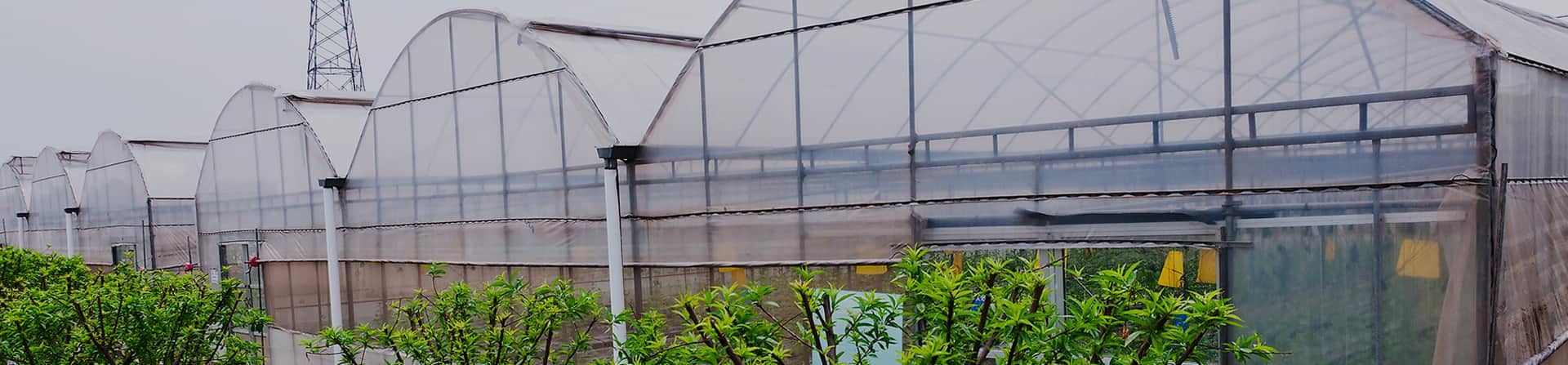
The Essential Role of Cover Nets in Agricultural Pest Management
Cover nets have become an indispensable tool in the agricultural industry, particularly within the realm of facility farming and pest management. These specialized nets serve multiple purposes, primarily focusing on protecting crops from unwanted pests while also providing additional benefits such as microclimate control and UV protection. Understanding the importance of cover nets can significantly enhance the efficiency and sustainability of agricultural practices.
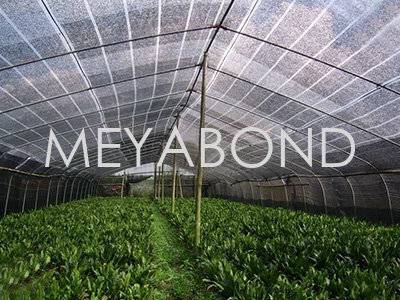
One of the primary functions of cover nets is to act as a physical barrier against pests. In many agricultural settings, insects and birds can cause substantial damage to crops, leading to reduced yields and increased costs. By installing cover nets over crops, farmers can effectively create a protective shield that prevents these pests from accessing the plants. This method is often more sustainable than relying solely on chemical pesticides, which can have detrimental effects on the environment and human health.
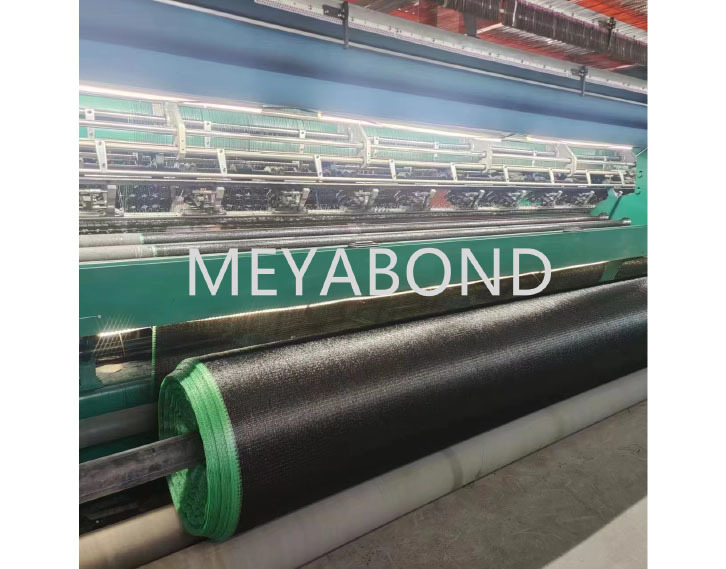
Cover nets come in various materials and designs, tailored to meet specific agricultural needs. Some nets are made from polyethylene, while others utilize polypropylene, each offering different levels of durability and UV resistance. Additionally, cover nets can vary in mesh size, which is crucial for determining what types of pests can be excluded. For example, finer mesh nets can keep out smaller insects, while coarser nets may be more suitable for larger birds. When selecting a cover net, it is vital for farmers to consider the specific pest threats they face and the crops they are protecting.
Incorporating cover nets not only aids in pest management but also contributes to creating an optimal microclimate for the crops. These nets can help regulate temperature and humidity levels, protecting plants from extreme weather conditions such as heavy rain or intense sunlight. By mitigating these environmental stressors, cover nets can promote healthier plant growth and improve overall crop resilience. This is particularly important in facility farming, where controlled environments are essential for maximizing yields.
For optimal effectiveness, proper installation and maintenance of cover nets are critical. Farmers should ensure that the nets are securely anchored and free from gaps that could allow pests to enter. Regular inspections are also necessary to identify any damage or wear that could compromise the net’s protective capabilities.
In summary, cover nets play a vital role in modern agriculture, particularly in pest management and environmental protection. Their use not only enhances crop yields but also supports sustainable practices that benefit both farmers and the ecosystem. Understanding the diverse applications and advantages of cover nets can empower agricultural professionals to make informed choices that lead to more productive and resilient farming operations.
One of the primary functions of cover nets is to act as a physical barrier against pests. In many agricultural settings, insects and birds can cause substantial damage to crops, leading to reduced yields and increased costs. By installing cover nets over crops, farmers can effectively create a protective shield that prevents these pests from accessing the plants. This method is often more sustainable than relying solely on chemical pesticides, which can have detrimental effects on the environment and human health.
Cover nets come in various materials and designs, tailored to meet specific agricultural needs. Some nets are made from polyethylene, while others utilize polypropylene, each offering different levels of durability and UV resistance. Additionally, cover nets can vary in mesh size, which is crucial for determining what types of pests can be excluded. For example, finer mesh nets can keep out smaller insects, while coarser nets may be more suitable for larger birds. When selecting a cover net, it is vital for farmers to consider the specific pest threats they face and the crops they are protecting.
Incorporating cover nets not only aids in pest management but also contributes to creating an optimal microclimate for the crops. These nets can help regulate temperature and humidity levels, protecting plants from extreme weather conditions such as heavy rain or intense sunlight. By mitigating these environmental stressors, cover nets can promote healthier plant growth and improve overall crop resilience. This is particularly important in facility farming, where controlled environments are essential for maximizing yields.
For optimal effectiveness, proper installation and maintenance of cover nets are critical. Farmers should ensure that the nets are securely anchored and free from gaps that could allow pests to enter. Regular inspections are also necessary to identify any damage or wear that could compromise the net’s protective capabilities.
In summary, cover nets play a vital role in modern agriculture, particularly in pest management and environmental protection. Their use not only enhances crop yields but also supports sustainable practices that benefit both farmers and the ecosystem. Understanding the diverse applications and advantages of cover nets can empower agricultural professionals to make informed choices that lead to more productive and resilient farming operations.
Key words:
Related News

CONTACT US
Email: sales8@meyabond.com
Tel: +8618911966213
No.3 Yard, ZhongHe Road, 100071,FengTai District, Beijing, China
Email: sales6@meyabond.com
Tel: +8618911963856
No.3 Yard, ZhongHe Road, 100071,FengTai District, Beijing, China
Meyabond Industry
You can trust.
Contact Us
Address:
No.3 Yard, ZhongHe Road, 100071,FengTai District, Beijing, China