


language
English
العربية
বাংলাদেশ
Български
Hrvatski
Česky
Dansk
Nederland
 Esperanto
Slovenski
Filipino
Suomi
Français
Maori
 Shqiptare
Georgian
 Euskara
Deutsch
Ελλάδα
ישראל
इंडिया
Magyarország
Ísland
Indonesia
Irlanda
Italia
日本語
Sovensko
Հայաստան
한국
Kyrgyz
ປະເທດລາວ
 Zulu
Zulu
Latvian
Lithuanian
Luxembourgish
 Latinus
Macedonian
Малайская
Maltese
Монгол улс
 Cymraeg
ဗမာ
 தமிழ்
தமிழ்
नेपाल
Norge
ایران
Polska
Portugal
România
Российская
Србија
 Slovak
Србија
 Slovak
Bosanski
Slovenian
Беларус
España
Sverige
Точик
ประเทศไทย
Türk
Azərbaycan
Uzbek
 Afrikaans
Việt Nam
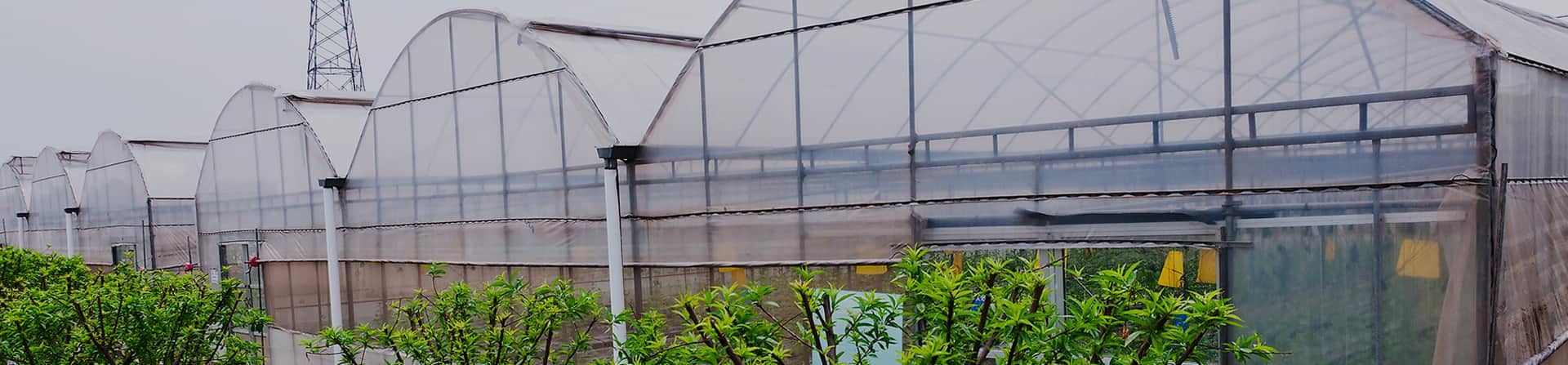
Protecting Your Crops: The Benefits of Anti-Hail Nets in Yemen
In Yemen, where agriculture forms the backbone of the economy, crop protection is vital. Hailstorms can occur unexpectedly, causing severe damage to crops and leading to significant financial losses for farmers. Implementing an anti-hail net can provide a robust layer of defense against these unpredictable weather events.
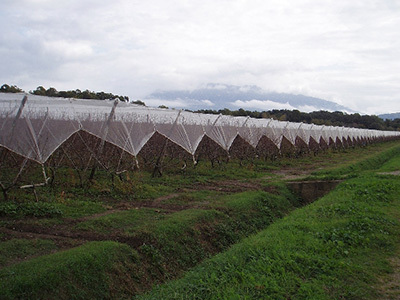
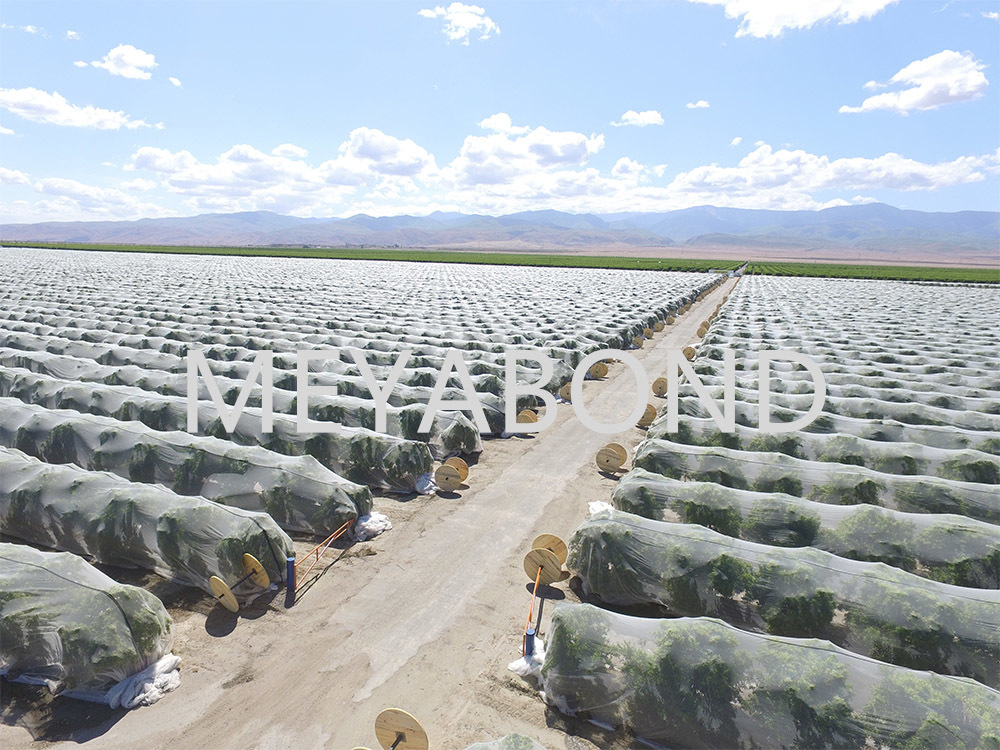
Anti-hail nets are specifically designed to absorb the impact of hailstones, preventing them from directly hitting the crops. Made from durable materials, these nets can withstand harsh conditions and provide long-lasting protection. The installation of such nets can also create a microclimate that promotes healthier plant growth. By reducing direct sunlight exposure and controlling temperatures, these nets can help regulate the growing conditions for various types of produce.
Additionally, anti-hail nets offer versatility in their application. They can be used in a variety of agricultural settings, from fruit orchards to vegetable fields. This adaptability makes them an attractive option for farmers looking to enhance the resilience of their crops against not only hail but also other adverse weather conditions like heavy rain and strong winds.
Moreover, using anti-hail nets can lead to increased yield quality. Crops that are protected from hail are less likely to suffer from bruising or physical damage, resulting in better marketable produce. This not only helps farmers achieve higher prices for their goods but also ensures a consistent supply of high-quality food products, which is crucial for local markets.
Farmers in Yemen should also consider the long-term benefits of investing in anti-hail nets. While the initial cost may seem significant, the potential savings from reduced crop losses and the ability to maintain a steady income can outweigh these expenses. Additionally, some governments and agricultural organizations might offer support or programs to assist farmers in acquiring these protective measures.
In conclusion, the adoption of anti-hail nets in Yemen can significantly contribute to safeguarding crops against hail damage. By enhancing resilience against unexpected weather events, these nets not only protect the farmers' livelihoods but also promote food security and sustainability within the agricultural sector. For farmers looking to secure their harvests and maintain high-quality production, considering anti-hail nets is a proactive step toward a more resilient future.
Anti-hail nets are specifically designed to absorb the impact of hailstones, preventing them from directly hitting the crops. Made from durable materials, these nets can withstand harsh conditions and provide long-lasting protection. The installation of such nets can also create a microclimate that promotes healthier plant growth. By reducing direct sunlight exposure and controlling temperatures, these nets can help regulate the growing conditions for various types of produce.
Additionally, anti-hail nets offer versatility in their application. They can be used in a variety of agricultural settings, from fruit orchards to vegetable fields. This adaptability makes them an attractive option for farmers looking to enhance the resilience of their crops against not only hail but also other adverse weather conditions like heavy rain and strong winds.
Moreover, using anti-hail nets can lead to increased yield quality. Crops that are protected from hail are less likely to suffer from bruising or physical damage, resulting in better marketable produce. This not only helps farmers achieve higher prices for their goods but also ensures a consistent supply of high-quality food products, which is crucial for local markets.
Farmers in Yemen should also consider the long-term benefits of investing in anti-hail nets. While the initial cost may seem significant, the potential savings from reduced crop losses and the ability to maintain a steady income can outweigh these expenses. Additionally, some governments and agricultural organizations might offer support or programs to assist farmers in acquiring these protective measures.
In conclusion, the adoption of anti-hail nets in Yemen can significantly contribute to safeguarding crops against hail damage. By enhancing resilience against unexpected weather events, these nets not only protect the farmers' livelihoods but also promote food security and sustainability within the agricultural sector. For farmers looking to secure their harvests and maintain high-quality production, considering anti-hail nets is a proactive step toward a more resilient future.
Key words:
Related News
CONTACT US
Email: sales8@meyabond.com
Tel: +8618911966213
No.3 Yard, ZhongHe Road, 100071,FengTai District, Beijing, China
Email: sales6@meyabond.com
Tel: +8618911963856
No.3 Yard, ZhongHe Road, 100071,FengTai District, Beijing, China
Meyabond Industry
You can trust.
Contact Us
Address:
No.3 Yard, ZhongHe Road, 100071,FengTai District, Beijing, China