


language
English
العربية
বাংলাদেশ
Български
Hrvatski
Česky
Dansk
Nederland
 Esperanto
Slovenski
Filipino
Suomi
Français
Maori
 Shqiptare
Georgian
 Euskara
Deutsch
Ελλάδα
ישראל
इंडिया
Magyarország
Ísland
Indonesia
Irlanda
Italia
日本語
Sovensko
Հայաստան
한국
Kyrgyz
ປະເທດລາວ
 Zulu
Zulu
Latvian
Lithuanian
Luxembourgish
 Latinus
Macedonian
Малайская
Maltese
Монгол улс
 Cymraeg
ဗမာ
 தமிழ்
தமிழ்
नेपाल
Norge
ایران
Polska
Portugal
România
Российская
Србија
 Slovak
Србија
 Slovak
Bosanski
Slovenian
Беларус
España
Sverige
Точик
ประเทศไทย
Türk
Azərbaycan
Uzbek
 Afrikaans
Việt Nam
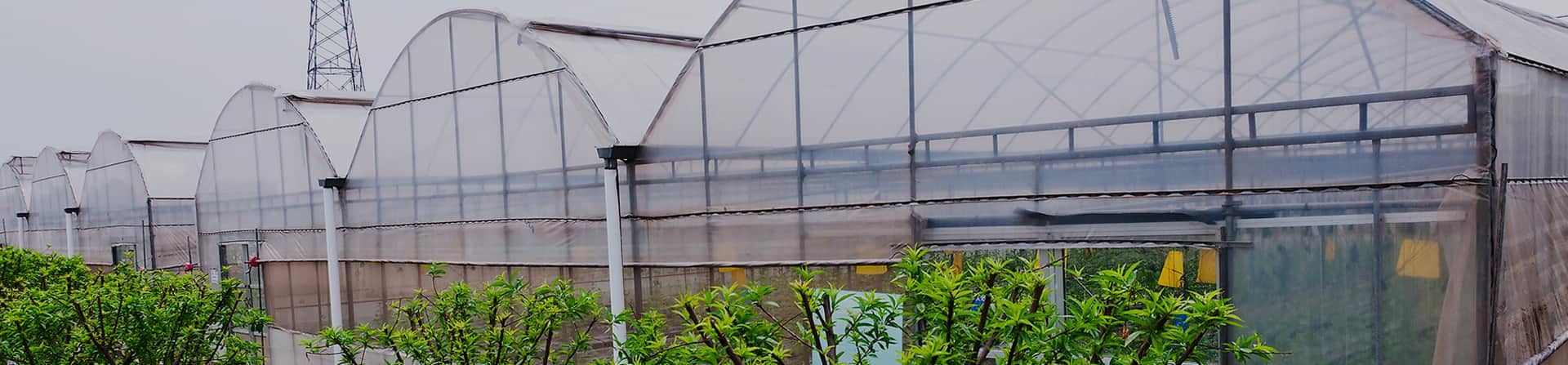
Enhancing Crop Protection with Open Protective Nets in Agricultural Facilities
In the realm of agricultural advancements, the utilization of open protective nets has emerged as a pivotal strategy for enhancing crop protection. These nets serve as a barrier against various pests while allowing essential elements like sunlight, air, and rain to reach the plants. This article will delve into the key aspects of open protective nets, highlighting their significance in facility agriculture.
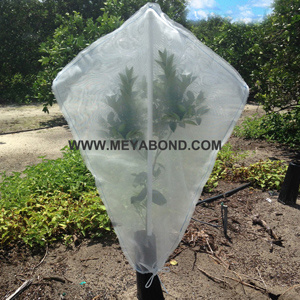
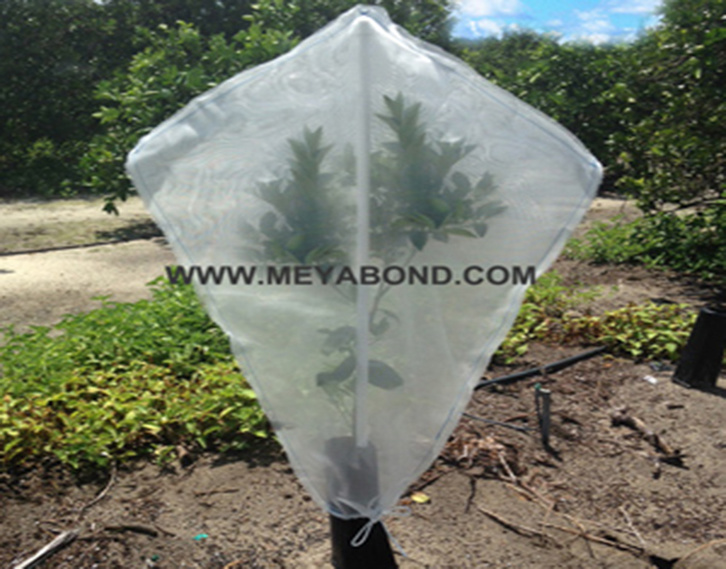
Open protective nets are primarily designed to shield crops from harmful insects and birds that can damage the yield. Unlike traditional pesticides, which may pose risks to the environment and human health, these nets offer a sustainable solution that minimizes chemical usage. This not only aligns with the growing demand for organic produce but also promotes a healthier ecosystem.
One of the main advantages of using open protective nets is their versatility. These nets come in various sizes and mesh densities, allowing farmers to select the appropriate type based on their specific crop requirements and local pest challenges. For instance, finer mesh nets can effectively block smaller insects, while larger mesh options are suitable for deterring larger pests without restricting airflow.
Another key benefit is the increased yield that can result from using open protective nets. By keeping pests at bay, farmers can significantly reduce crop losses, leading to healthier plants and better overall productivity. Additionally, these nets help to create a microclimate around the crops, which can enhance growth conditions and result in higher quality produce.
Installation of open protective nets is also straightforward, making them an accessible choice for many growers. These nets can be installed over greenhouses, tunnels, or directly in the field, depending on the specific agricultural setup. Ensuring proper tension and coverage is crucial for maximizing their effectiveness, as gaps or inadequate fittings can allow pests to infiltrate.
Moreover, maintenance of open protective nets is relatively low compared to other pest control methods. Regular inspections will help identify any wear and tear, but with proper care, these nets can last multiple growing seasons. This durability makes them a cost-effective solution for long-term pest management.
In conclusion, integrating open protective nets into facility agriculture not only enhances pest control but also supports sustainable farming practices. As more growers seek environmentally friendly solutions, the adoption of these nets could play a significant role in shaping the future of agricultural production. By exploring the benefits and applications of open protective nets, farmers can improve their crop protection strategies and contribute to a more sustainable food system.
Open protective nets are primarily designed to shield crops from harmful insects and birds that can damage the yield. Unlike traditional pesticides, which may pose risks to the environment and human health, these nets offer a sustainable solution that minimizes chemical usage. This not only aligns with the growing demand for organic produce but also promotes a healthier ecosystem.
One of the main advantages of using open protective nets is their versatility. These nets come in various sizes and mesh densities, allowing farmers to select the appropriate type based on their specific crop requirements and local pest challenges. For instance, finer mesh nets can effectively block smaller insects, while larger mesh options are suitable for deterring larger pests without restricting airflow.
Another key benefit is the increased yield that can result from using open protective nets. By keeping pests at bay, farmers can significantly reduce crop losses, leading to healthier plants and better overall productivity. Additionally, these nets help to create a microclimate around the crops, which can enhance growth conditions and result in higher quality produce.
Installation of open protective nets is also straightforward, making them an accessible choice for many growers. These nets can be installed over greenhouses, tunnels, or directly in the field, depending on the specific agricultural setup. Ensuring proper tension and coverage is crucial for maximizing their effectiveness, as gaps or inadequate fittings can allow pests to infiltrate.
Moreover, maintenance of open protective nets is relatively low compared to other pest control methods. Regular inspections will help identify any wear and tear, but with proper care, these nets can last multiple growing seasons. This durability makes them a cost-effective solution for long-term pest management.
In conclusion, integrating open protective nets into facility agriculture not only enhances pest control but also supports sustainable farming practices. As more growers seek environmentally friendly solutions, the adoption of these nets could play a significant role in shaping the future of agricultural production. By exploring the benefits and applications of open protective nets, farmers can improve their crop protection strategies and contribute to a more sustainable food system.
Key words:
Related News

CONTACT US
Email: sales8@meyabond.com
Tel: +8618911966213
No.3 Yard, ZhongHe Road, 100071,FengTai District, Beijing, China
Email: sales8@meyabond.com
Tel: +8618911966213
No.3 Yard, ZhongHe Road, 100071,FengTai District, Beijing, China
Meyabond Industry
You can trust.
Contact Us
Address:
No.3 Yard, ZhongHe Road, 100071,FengTai District, Beijing, China