


language
English
العربية
বাংলাদেশ
Български
Hrvatski
Česky
Dansk
Nederland
 Esperanto
Slovenski
Filipino
Suomi
Français
Maori
 Shqiptare
Georgian
 Euskara
Deutsch
Ελλάδα
ישראל
इंडिया
Magyarország
Ísland
Indonesia
Irlanda
Italia
日本語
Sovensko
Հայաստան
한국
Kyrgyz
ປະເທດລາວ
 Zulu
Zulu
Latvian
Lithuanian
Luxembourgish
 Latinus
Macedonian
Малайская
Maltese
Монгол улс
 Cymraeg
ဗမာ
 தமிழ்
தமிழ்
नेपाल
Norge
ایران
Polska
Portugal
România
Российская
Србија
 Slovak
Србија
 Slovak
Bosanski
Slovenian
Беларус
España
Sverige
Точик
ประเทศไทย
Türk
Azərbaycan
Uzbek
 Afrikaans
Việt Nam
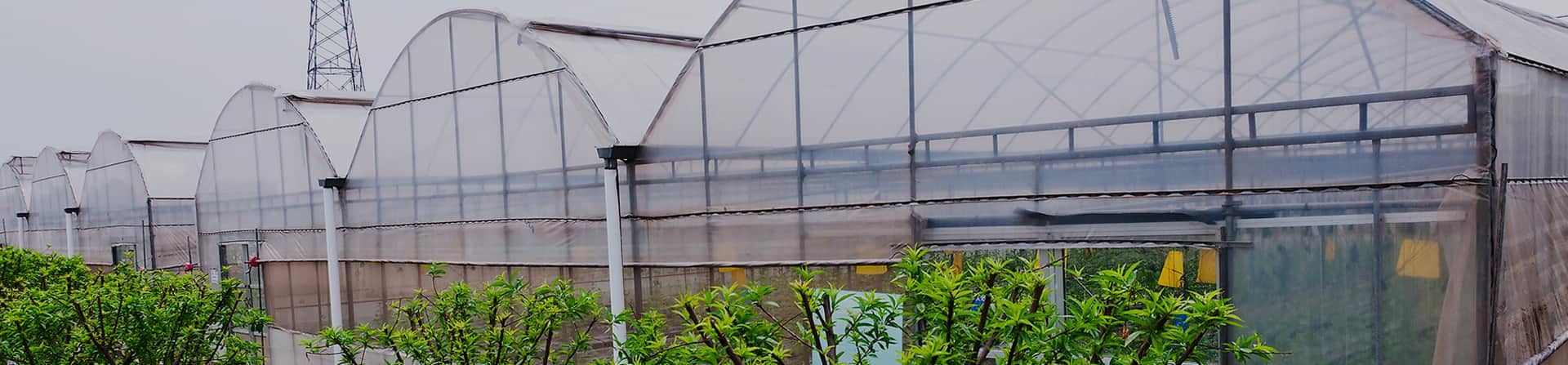
Maximizing Agricultural Efficiency with Green Cover Nets
Green cover nets, often referred to as shade nets, play a pivotal role in modern agricultural practices, especially within the realm of facility agriculture. These specialized nets are designed to provide essential protection for crops against various environmental factors, contributing to healthier plants and increased yields.
One of the primary functions of green cover nets is to moderate sunlight exposure. In areas where excessive sunlight can damage delicate crops, these nets can filter sunlight, allowing a specific percentage of light to reach the plants. This controlled light exposure is vital for encouraging optimal photosynthesis without causing heat stress. By using green cover nets, farmers can create a more stable microclimate that enhances plant growth and resilience.
In addition to light control, green cover nets offer protection from harmful weather conditions. They shield crops from strong winds, hailstorms, and heavy rain, which can cause physical damage to plants. By reducing the impact of these environmental stresses, farmers can significantly decrease the likelihood of crop loss and improve overall harvest quality.
Another benefit of green cover nets is their ability to deter pests and birds. Many agricultural pests are attracted to crops, leading to potential infestations. The use of these nets acts as a physical barrier, preventing pests from accessing the plants while allowing beneficial insects to thrive. Moreover, birds, which may feed on seeds and fruits, are also kept at bay, reducing the risks of crop damage and loss.
The installation of green cover nets contributes to water conservation as well. By reducing evaporation rates and maintaining soil moisture levels, these nets help ensure that crops receive the water they need without excessive irrigation. This not only conserves valuable water resources but also lowers irrigation costs and minimizes the environmental impact of farming.
Furthermore, green cover nets can be tailored to suit various types of crops and specific agricultural needs. They come in different shades and densities, allowing farmers to select the most suitable option for their particular crops and growing conditions. This adaptability makes green cover nets a versatile tool in agricultural management.
In summary, green cover nets are an invaluable asset in the world of facility agriculture. They provide essential protection from excessive sunlight, adverse weather, and pests, ultimately leading to healthier crops and improved yields. By incorporating these nets into farming practices, agricultural producers can enhance their efficiency and sustainability, making them a prudent investment for the future of food production.
One of the primary functions of green cover nets is to moderate sunlight exposure. In areas where excessive sunlight can damage delicate crops, these nets can filter sunlight, allowing a specific percentage of light to reach the plants. This controlled light exposure is vital for encouraging optimal photosynthesis without causing heat stress. By using green cover nets, farmers can create a more stable microclimate that enhances plant growth and resilience.
In addition to light control, green cover nets offer protection from harmful weather conditions. They shield crops from strong winds, hailstorms, and heavy rain, which can cause physical damage to plants. By reducing the impact of these environmental stresses, farmers can significantly decrease the likelihood of crop loss and improve overall harvest quality.
Another benefit of green cover nets is their ability to deter pests and birds. Many agricultural pests are attracted to crops, leading to potential infestations. The use of these nets acts as a physical barrier, preventing pests from accessing the plants while allowing beneficial insects to thrive. Moreover, birds, which may feed on seeds and fruits, are also kept at bay, reducing the risks of crop damage and loss.
The installation of green cover nets contributes to water conservation as well. By reducing evaporation rates and maintaining soil moisture levels, these nets help ensure that crops receive the water they need without excessive irrigation. This not only conserves valuable water resources but also lowers irrigation costs and minimizes the environmental impact of farming.
Furthermore, green cover nets can be tailored to suit various types of crops and specific agricultural needs. They come in different shades and densities, allowing farmers to select the most suitable option for their particular crops and growing conditions. This adaptability makes green cover nets a versatile tool in agricultural management.
In summary, green cover nets are an invaluable asset in the world of facility agriculture. They provide essential protection from excessive sunlight, adverse weather, and pests, ultimately leading to healthier crops and improved yields. By incorporating these nets into farming practices, agricultural producers can enhance their efficiency and sustainability, making them a prudent investment for the future of food production.
Key words:
Related News

CONTACT US
Email: sales8@meyabond.com
Tel: +8618911966213
No.3 Yard, ZhongHe Road, 100071,FengTai District, Beijing, China
Email: sales8@meyabond.com
Tel: +8618911966213
No.3 Yard, ZhongHe Road, 100071,FengTai District, Beijing, China
Meyabond Industry
You can trust.
Contact Us
Address:
No.3 Yard, ZhongHe Road, 100071,FengTai District, Beijing, China