


language
English
العربية
বাংলাদেশ
Български
Hrvatski
Česky
Dansk
Nederland
 Esperanto
Slovenski
Filipino
Suomi
Français
Maori
 Shqiptare
Georgian
 Euskara
Deutsch
Ελλάδα
ישראל
इंडिया
Magyarország
Ísland
Indonesia
Irlanda
Italia
日本語
Sovensko
Հայաստան
한국
Kyrgyz
ປະເທດລາວ
 Zulu
Zulu
Latvian
Lithuanian
Luxembourgish
 Latinus
Macedonian
Малайская
Maltese
Монгол улс
 Cymraeg
ဗမာ
 தமிழ்
தமிழ்
नेपाल
Norge
ایران
Polska
Portugal
România
Российская
Србија
 Slovak
Србија
 Slovak
Bosanski
Slovenian
Беларус
España
Sverige
Точик
ประเทศไทย
Türk
Azərbaycan
Uzbek
 Afrikaans
Việt Nam
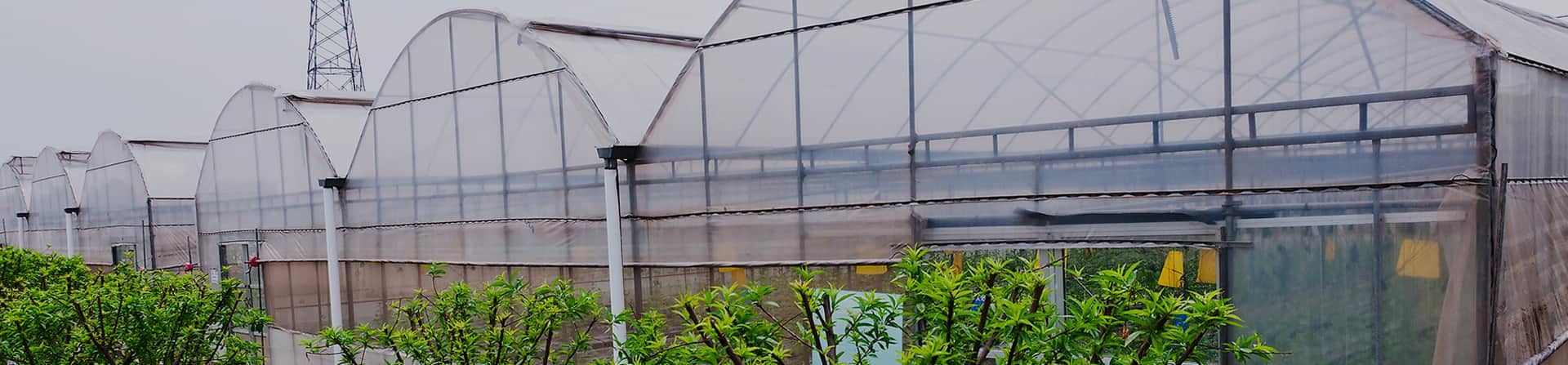
Insect Proof Nets: A Must-Have for Sustainable Farming
Insect Proof Nets: A Must-Have for Sustainable Farming
Table of Contents
- 1. Introduction to Insect Proof Nets
- 2. The Importance of Insect Proof Nets in Sustainable Farming
- 3. Benefits of Using Insect Proof Nets
- 4. Types of Insect Proof Nets Available
- 5. Installation and Maintenance of Insect Proof Nets
- 6. Best Practices for Using Insect Proof Nets
- 7. Case Studies: Successful Implementation of Insect Proof Nets
- 8. Frequently Asked Questions
- 9. Conclusion
1. Introduction to Insect Proof Nets
As agriculture evolves, the need for sustainable practices becomes increasingly vital. One effective solution that has emerged is the use of insect proof nets. These specialized nets serve as a physical barrier against various pests, significantly reducing the need for chemical pesticides. By integrating insect proof nets into agricultural practices, farmers can safeguard their crops while promoting a healthier ecosystem.
2. The Importance of Insect Proof Nets in Sustainable Farming
Sustainable farming focuses on producing food while minimizing environmental impact. Insect proof nets play a pivotal role in this approach. By offering protection from harmful insects, these nets help farmers reduce pesticide use, lower production costs, and improve crop yields. Insect proof nets not only protect crops but also contribute to the well-being of beneficial insects, further enhancing biodiversity on farms.
3. Benefits of Using Insect Proof Nets
3.1 Enhanced Crop Protection
One of the primary benefits of insect proof nets is enhanced crop protection. These nets create a physical barrier that prevents pests from accessing crops, significantly reducing the risk of infestations. This protection is especially crucial during vulnerable growth stages when plants are most susceptible to damage. By keeping pests at bay, farmers can preserve their harvest and maintain high-quality produce.
3.2 Environmental Impact
Insect proof nets contribute to a more sustainable agricultural system by reducing the dependence on chemical pesticides. The environmental impact of pesticides is well-documented, leading to soil degradation, water contamination, and harm to non-target species. By using insect proof nets, farmers can protect their crops effectively while promoting a healthier ecosystem. This shift towards environmentally friendly practices enhances soil health and supports biodiversity.
3.3 Cost-Effectiveness
While the initial investment in insect proof nets may seem significant, the long-term cost savings can be substantial. By reducing the need for chemical pesticides and minimizing crop losses due to pest damage, farmers can see a noticeable increase in their overall profitability. Additionally, the durability of these nets often means they can be reused for multiple growing seasons, further enhancing their cost-effectiveness.
4. Types of Insect Proof Nets Available
Insect proof nets come in various types, each designed to cater to different agricultural needs. Understanding the options available can help farmers choose the right net for their crops.
4.1 Fine Mesh Insect Nets
Fine mesh insect nets are designed to block even the smallest pests while allowing sunlight, air, and moisture to penetrate. These nets are ideal for protecting delicate crops like vegetables and fruits.
4.2 Garden Insect Barriers
Garden insect barriers are typically used for home gardens. They are lightweight and easy to install, providing effective protection for smaller plots.
4.3 Crop-Specific Insect Nets
Some nets are specifically designed for particular crops, offering tailored protection based on the unique pest threats faced by those plants. These nets can optimize crop yield and quality.
4.4 Anti-UV Nets
These nets not only protect against insects but also shield crops from harmful UV rays. They are particularly beneficial for crops sensitive to excessive sunlight.
5. Installation and Maintenance of Insect Proof Nets
Proper installation and maintenance of insect proof nets are crucial for maximizing their effectiveness.
5.1 Installation Guidelines
When installing insect proof nets, it is essential to ensure they are securely anchored to prevent pests from finding their way underneath. Nets should be placed over the plants without allowing any gaps.
5.2 Maintenance Tips
Regular maintenance involves inspecting the nets for any damage or wear. It’s advisable to clean the nets periodically to prevent the buildup of debris that may harbor pests.
6. Best Practices for Using Insect Proof Nets
To maximize the benefits of insect proof nets, farmers should adopt best practices during their use.
6.1 Timing of Installation
Installing the nets at the right time is critical. It’s best to place them before the onset of pest season to ensure optimal protection.
6.2 Monitoring Crop Health
Regular monitoring of crop health is essential. Farmers should observe any signs of pest activity or crop stress to make timely interventions if necessary.
6.3 Combining with Other Practices
Integrating insect proof nets with other sustainable farming practices, such as crop rotation and organic fertilization, can enhance overall effectiveness.
7. Case Studies: Successful Implementation of Insect Proof Nets
Exploring real-world examples of farmers who have successfully implemented insect proof nets can provide valuable insights.
7.1 Case Study: Vegetable Farm in California
A vegetable farm in California adopted insect proof nets to combat aphid infestations. As a result, they reported significant reductions in pesticide usage and increased crop yields.
7.2 Case Study: Fruit Orchard in Florida
A fruit orchard in Florida implemented anti-UV insect nets to protect their citrus crops. The orchard owner noted improved fruit quality and a considerable decrease in pest-related losses.
8. Frequently Asked Questions
8.1 What are insect proof nets made of?
Insect proof nets are typically made from lightweight synthetic materials such as polyethylene or polypropylene, designed to provide a durable barrier against pests.
8.2 How long do insect proof nets last?
The lifespan of insect proof nets varies depending on the material and environmental conditions. High-quality nets can last several growing seasons with proper care.
8.3 Can insect proof nets be reused?
Yes, insect proof nets can be reused multiple times, making them a cost-effective solution for pest management in sustainable farming.
8.4 Are insect proof nets effective against all pests?
While insect proof nets are effective against many pests, their efficacy depends on the mesh size. Fine mesh nets can block even smaller insects, while larger nets may allow some pests to enter.
8.5 How do I choose the right insect proof net for my farm?
Consider factors such as the type of crops, the specific pests in your area, and environmental conditions when selecting the appropriate insect proof net.
9. Conclusion
Insect proof nets represent a vital innovation in sustainable farming, offering a myriad of benefits that include enhanced crop protection, reduced environmental impact, and cost-effectiveness. By employing these nets, farmers can not only safeguard their harvests but also contribute to a healthier ecosystem. Embracing insect proof nets is a step toward a more sustainable agricultural future, ensuring that the needs of both farmers and the environment are met. Investing in this essential tool is not just a choice; it’s a commitment to sustainable practices that can yield fruitful results for generations to come.
Key words:
Related News
CONTACT US
Email: sales8@meyabond.com
Tel: +8618911966213
No.3 Yard, ZhongHe Road, 100071,FengTai District, Beijing, China
Email: sales8@meyabond.com
Tel: +8618911966213
No.3 Yard, ZhongHe Road, 100071,FengTai District, Beijing, China
Meyabond Industry
You can trust.
Contact Us
Address:
No.3 Yard, ZhongHe Road, 100071,FengTai District, Beijing, China