


language
English
العربية
বাংলাদেশ
Български
Hrvatski
Česky
Dansk
Nederland
 Esperanto
Slovenski
Filipino
Suomi
Français
Maori
 Shqiptare
Georgian
 Euskara
Deutsch
Ελλάδα
ישראל
इंडिया
Magyarország
Ísland
Indonesia
Irlanda
Italia
日本語
Sovensko
Հայաստան
한국
Kyrgyz
ປະເທດລາວ
 Zulu
Zulu
Latvian
Lithuanian
Luxembourgish
 Latinus
Macedonian
Малайская
Maltese
Монгол улс
 Cymraeg
ဗမာ
 தமிழ்
தமிழ்
नेपाल
Norge
ایران
Polska
Portugal
România
Российская
Србија
 Slovak
Србија
 Slovak
Bosanski
Slovenian
Беларус
España
Sverige
Точик
ประเทศไทย
Türk
Azərbaycan
Uzbek
 Afrikaans
Việt Nam
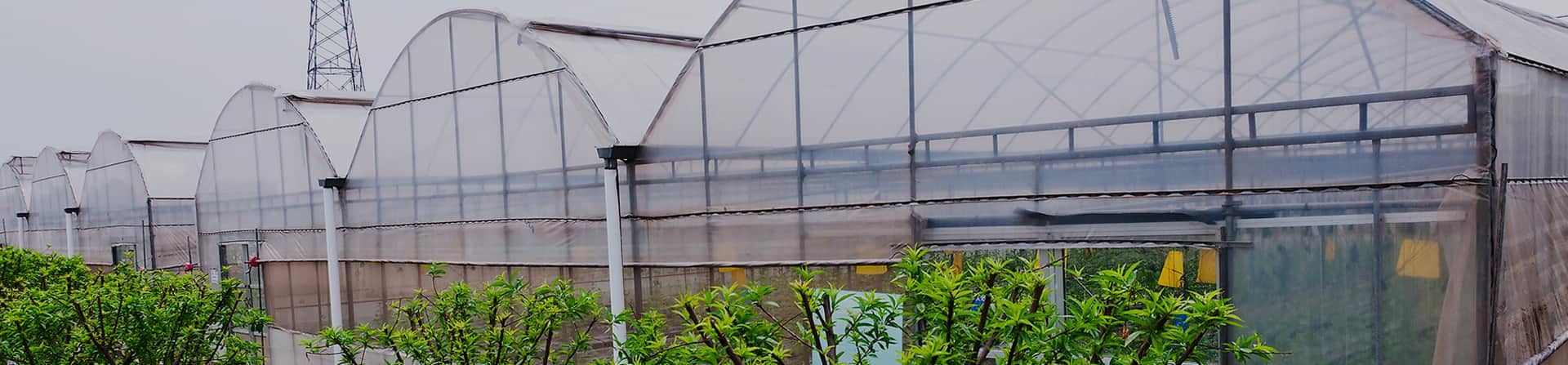
Enhancing Crop Resilience: The Role of Plastic Mesh in Hail Protection
In the agricultural sector, particularly in facilities farming, the protection of crops from adverse weather conditions is paramount. One such threat is hail, which can cause significant damage to plants, leading to financial losses for farmers. An effective solution that has gained attention is the use of plastic mesh for hail protection. This article delves into the practical applications of plastic mesh in mitigating hail damage and ensuring the sustainability of agricultural production.
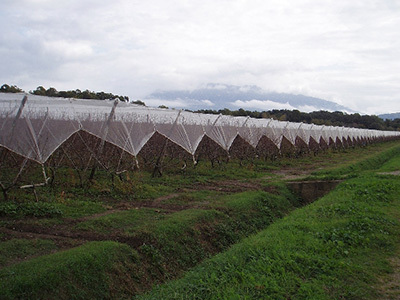
Plastic mesh is a versatile and lightweight material that can be employed in various agricultural settings. Its primary function in hail protection is to act as a physical barrier, preventing hailstones from directly impacting crops. By installing plastic mesh over crop areas, farmers can significantly reduce the risk of damage during hailstorms. This barrier allows sunlight and rain to penetrate while shielding the crops from harmful hail, thereby promoting healthy growth and development.
Another advantage of plastic mesh is its durability. Designed to withstand harsh environmental conditions, plastic mesh can endure strong winds and heavy precipitation, making it a reliable choice for long-term use. When properly installed, it can last multiple growing seasons, providing ongoing protection for crops without the need for frequent replacements. This longevity contributes to the overall cost-effectiveness of using plastic mesh in agricultural practices.
Additionally, implementing plastic mesh for hail protection can lead to increased crop yield stability. By reducing the likelihood of hail-related damage, farmers can maintain a more consistent output, which is essential for meeting market demands. A stable yield not only supports the economic viability of a farm but also helps in planning for future planting and harvesting cycles.
Moreover, the use of plastic mesh does not impede the growth of plants. It allows for adequate air circulation and moisture retention, which are crucial for healthy plant development. This balance between protection and growth optimization makes plastic mesh an attractive option for farmers looking to enhance their crop resilience.
In conclusion, the integration of plastic mesh as a hail protection measure is a proactive approach that can significantly benefit farmers in the agricultural sector. By implementing this innovative solution, growers can safeguard their crops, enhance yield stability, and ensure a more sustainable farming operation. As weather patterns become increasingly unpredictable, investing in effective protective measures like plastic mesh is essential for the future of agricultural productivity.
Plastic mesh is a versatile and lightweight material that can be employed in various agricultural settings. Its primary function in hail protection is to act as a physical barrier, preventing hailstones from directly impacting crops. By installing plastic mesh over crop areas, farmers can significantly reduce the risk of damage during hailstorms. This barrier allows sunlight and rain to penetrate while shielding the crops from harmful hail, thereby promoting healthy growth and development.
Another advantage of plastic mesh is its durability. Designed to withstand harsh environmental conditions, plastic mesh can endure strong winds and heavy precipitation, making it a reliable choice for long-term use. When properly installed, it can last multiple growing seasons, providing ongoing protection for crops without the need for frequent replacements. This longevity contributes to the overall cost-effectiveness of using plastic mesh in agricultural practices.
Additionally, implementing plastic mesh for hail protection can lead to increased crop yield stability. By reducing the likelihood of hail-related damage, farmers can maintain a more consistent output, which is essential for meeting market demands. A stable yield not only supports the economic viability of a farm but also helps in planning for future planting and harvesting cycles.
Moreover, the use of plastic mesh does not impede the growth of plants. It allows for adequate air circulation and moisture retention, which are crucial for healthy plant development. This balance between protection and growth optimization makes plastic mesh an attractive option for farmers looking to enhance their crop resilience.
In conclusion, the integration of plastic mesh as a hail protection measure is a proactive approach that can significantly benefit farmers in the agricultural sector. By implementing this innovative solution, growers can safeguard their crops, enhance yield stability, and ensure a more sustainable farming operation. As weather patterns become increasingly unpredictable, investing in effective protective measures like plastic mesh is essential for the future of agricultural productivity.
Key words:
Related News

CONTACT US
Email: sales8@meyabond.com
Tel: +8618911966213
No.3 Yard, ZhongHe Road, 100071,FengTai District, Beijing, China
Email: sales8@meyabond.com
Tel: +8618911966213
No.3 Yard, ZhongHe Road, 100071,FengTai District, Beijing, China
Meyabond Industry
You can trust.
Contact Us
Address:
No.3 Yard, ZhongHe Road, 100071,FengTai District, Beijing, China