


language
English
العربية
বাংলাদেশ
Български
Hrvatski
Česky
Dansk
Nederland
 Esperanto
Slovenski
Filipino
Suomi
Français
Maori
 Shqiptare
Georgian
 Euskara
Deutsch
Ελλάδα
ישראל
इंडिया
Magyarország
Ísland
Indonesia
Irlanda
Italia
日本語
Sovensko
Հայաստան
한국
Kyrgyz
ປະເທດລາວ
 Zulu
Zulu
Latvian
Lithuanian
Luxembourgish
 Latinus
Macedonian
Малайская
Maltese
Монгол улс
 Cymraeg
ဗမာ
 தமிழ்
தமிழ்
नेपाल
Norge
ایران
Polska
Portugal
România
Российская
Србија
 Slovak
Србија
 Slovak
Bosanski
Slovenian
Беларус
España
Sverige
Точик
ประเทศไทย
Türk
Azərbaycan
Uzbek
 Afrikaans
Việt Nam
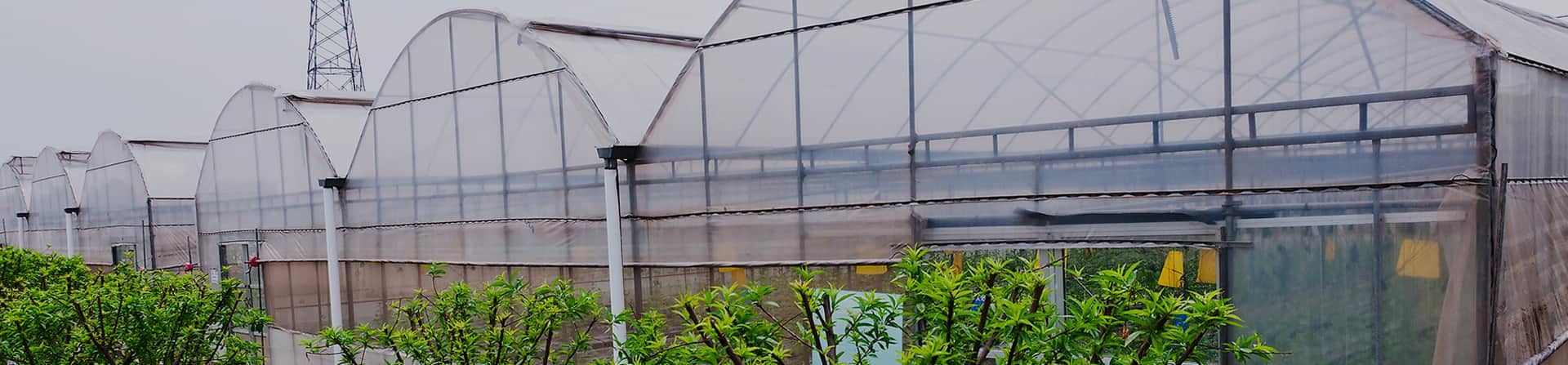
Why Every Greenhouse Needs an Anti Insect Net: Protect Your Plants Effectively
Why Every Greenhouse Needs an Anti Insect Net: Protect Your Plants Effectively
As greenhouse owners, we constantly seek ways to enhance plant growth while safeguarding our crops from pests. One crucial and often overlooked component of greenhouse management is the implementation of **anti insect nets**. These nets play a vital role in protecting plants from harmful insects while allowing sunlight, air, and moisture to reach them. This article will explore the importance of anti insect nets, their benefits, types available, installation techniques, maintenance tips, and answers to frequently asked questions.
Table of Contents
- The Importance of Anti Insect Nets in Greenhouses
- Benefits of Using Anti Insect Nets
- Different Types of Anti Insect Nets
- How to Install Anti Insect Nets in Your Greenhouse
- Maintenance Tips for Anti Insect Nets
- Natural Alternatives to Anti Insect Nets
- Case Studies: Success Stories of Anti Insect Nets
- FAQs about Anti Insect Nets
- Conclusion: The Essential Role of Anti Insect Nets in Greenhouse Management
The Importance of Anti Insect Nets in Greenhouses
The significance of **anti insect nets** cannot be overstated. These nets not only serve as a physical barrier against insects but also contribute significantly to the overall health of your greenhouse ecosystem. By preventing pests from entering the greenhouse, these nets help maintain the integrity of your crops, which is essential for achieving optimal yields and ensuring plant health.
Many common greenhouse pests, such as aphids, thrips, and whiteflies, can wreak havoc on your plants. They can spread diseases and infestations that can lead to the rapid decline of plant health. Therefore, installing anti insect nets effectively reduces the risk of these pests invading your greenhouse, allowing your plants to grow strong and productive.
Benefits of Using Anti Insect Nets
1. Pest Control
One of the most immediate and tangible benefits of using anti insect nets is their ability to prevent pests from accessing your plants. By creating a physical barrier, these nets reduce the likelihood of pest infestations, lowering the need for chemical pesticides and promoting organic farming practices.
2. Disease Prevention
Many pests are vectors for plant diseases. By keeping these pests out, anti insect nets significantly reduce the chances of disease spread within your greenhouse. This proactive approach contributes to healthier plants and a more sustainable growing environment.
3. Enhanced Growth Conditions
Anti insect nets allow for optimal air circulation and sunlight penetration, which are essential for photosynthesis and healthy plant growth. By maintaining adequate ventilation, these nets contribute to a stable growing environment, supporting the overall growth of your plants.
4. Cost-Effectiveness
While there may be an initial investment in purchasing and installing anti insect nets, the long-term savings are significant. By reducing the need for chemical treatments and minimizing crop loss due to pests, these nets can lead to a higher return on investment.
5. Versatility
Anti insect nets can be used in various greenhouse systems, from small-scale urban gardens to large commercial operations. Their versatility makes them an excellent choice for any greenhouse setup, regardless of size or crop type.
Different Types of Anti Insect Nets
Understanding the different types of anti insect nets available can help you make an informed decision that best suits your greenhouse needs.
1. Mesh Size
The mesh size of anti insect nets varies, and selecting the appropriate size is crucial for effective pest control. For example, a mesh size of 0.8 mm is ideal for preventing small insects like aphids, while a larger mesh size of 2.0 mm may be sufficient for larger pests.
2. Material Composition
Anti insect nets are made from various materials, including polyethylene, polypropylene, and nylon. Each material has its advantages and disadvantages in terms of durability, UV resistance, and cost.
3. UV Resistance
Choosing UV-resistant anti insect nets can significantly prolong their lifespan and effectiveness. These nets are designed to withstand sun exposure, preventing degradation and ensuring long-term use in your greenhouse.
4. Color Options
While most anti insect nets are black or white, colored options are also available. Different colors can influence light conditions and may be beneficial based on the specific needs of the plants being grown.
How to Install Anti Insect Nets in Your Greenhouse
Installing anti insect nets requires careful planning and execution to ensure optimal effectiveness. Here’s a step-by-step guide to help you through the process.
1. Measure Your Greenhouse
Start by measuring the dimensions of your greenhouse. Accurate measurements are essential to determine the amount of netting required and to avoid any potential gaps that pests could exploit.
2. Choose the Right Nets
Based on your measurements and the pests prevalent in your area, select the appropriate anti insect nets. Consider factors such as mesh size, material, and UV resistance when making your choice.
3. Prepare the Structure
Before installing the nets, ensure that the greenhouse structure is clean and free of any debris. This preparation will help create a smooth installation process.
4. Install Support Frames
For effective installation, consider adding support frames around the edges of the greenhouse. These frames will hold the nets securely in place and prevent sagging.
5. Attach the Nets
Carefully attach the anti insect nets to the support frames. Ensure that there are no gaps where pests can enter. Use clips, ties, or other fastening methods to secure the nets tightly.
6. Check for Damage
After installation, inspect the nets for any damage or holes. Regular checks are essential to maintain the effectiveness of the nets and ensure they provide adequate protection against pests.
Maintenance Tips for Anti Insect Nets
Proper maintenance of anti insect nets enhances their effectiveness and longevity. Here are some essential maintenance tips to keep in mind:
1. Regular Inspections
Conduct regular inspections of the nets to identify any signs of wear, tear, or damage. Early detection of issues allows for timely repairs, ensuring that pests do not find their way into your greenhouse.
2. Cleaning the Nets
Dust and debris can accumulate on the nets, obstructing light and airflow. Regularly clean the nets using a soft brush or cloth to maintain optimal performance.
3. Seasonal Adjustments
Adjust the nets according to seasonal changes. During winter, you may want to remove the nets to allow for better sunlight exposure, while in summer, they can be reinstalled to protect against pests.
4. Repairing Damage
If you notice any holes or tears, promptly repair them using appropriate materials. This preventive measure helps maintain the integrity of your pest control barrier.
Natural Alternatives to Anti Insect Nets
While anti insect nets are highly effective, there are also natural alternatives that can complement your pest control strategy.
1. Companion Planting
Companion planting involves growing certain plants together to deter pests. For example, marigolds are known to repel nematodes and aphids, making them ideal companions for crops like tomatoes and peppers.
2. Natural Predators
Introduce beneficial insects, such as ladybugs and lacewings, which feed on common greenhouse pests. Cultivating a balanced ecosystem can naturally reduce pest populations.
3. Organic Pesticides
Using organic pesticides derived from natural ingredients can help control pest populations without harming beneficial insects. Neem oil and insecticidal soap are popular choices among organic growers.
Case Studies: Success Stories of Anti Insect Nets
Real-life examples demonstrate the effectiveness of anti insect nets in greenhouse environments.
1. Small-Scale Urban Garden
In a small urban garden, the installation of anti insect nets led to a 70% reduction in aphid populations within the first month. The owner reported healthier plants and increased yields, validating the effectiveness of this pest control method.
2. Commercial Vegetable Farm
A commercial vegetable farm that implemented anti insect nets saw a remarkable decrease in pesticide usage, saving thousands in chemical costs. The farmer reported that the quality of produce improved, resulting in higher market prices.
FAQs about Anti Insect Nets
1. How do anti insect nets work?
Anti insect nets function as a physical barrier that prevents pests from entering the greenhouse while allowing air, light, and moisture to reach the plants.
2. Can I use anti insect nets for all types of plants?
Yes, anti insect nets are versatile and can be used for various types of plants, including vegetables, flowers, and herbs.
3. What mesh size should I choose?
The ideal mesh size depends on the pests you aim to prevent. Generally, a mesh size of 0.8 mm is suitable for small insects, while larger pests may require a mesh size of 2.0 mm.
4. How long do anti insect nets last?
The lifespan of anti insect nets varies based on the material and environmental conditions. UV-resistant nets can last several years with proper maintenance.
5. Are there any drawbacks to using anti insect nets?
While anti insect nets are effective, they may require an initial investment and regular maintenance. Additionally, if not installed properly, they can have gaps that allow pests to enter.
Conclusion: The Essential Role of Anti Insect Nets in Greenhouse Management
In summary, **anti insect nets** are an indispensable tool for every greenhouse owner. By effectively preventing pests from accessing plants, these nets contribute to healthier crops, reduced need for chemical pesticides, and improved growth conditions. With various types available and easy installation, anti insect nets offer a practical solution for protecting your greenhouse. For those serious about maximizing their greenhouse potential, investing in anti insect nets is a decision that will pay dividends in plant health and yield.
Key words:
Related News

CONTACT US
Email: sales8@meyabond.com
Tel: +8618911966213
No.3 Yard, ZhongHe Road, 100071,FengTai District, Beijing, China
Email: sales8@meyabond.com
Tel: +8618911966213
No.3 Yard, ZhongHe Road, 100071,FengTai District, Beijing, China
Meyabond Industry
You can trust.
Contact Us
Address:
No.3 Yard, ZhongHe Road, 100071,FengTai District, Beijing, China