


language
English
العربية
বাংলাদেশ
Български
Hrvatski
Česky
Dansk
Nederland
 Esperanto
Slovenski
Filipino
Suomi
Français
Maori
 Shqiptare
Georgian
 Euskara
Deutsch
Ελλάδα
ישראל
इंडिया
Magyarország
Ísland
Indonesia
Irlanda
Italia
日本語
Sovensko
Հայաստան
한국
Kyrgyz
ປະເທດລາວ
 Zulu
Zulu
Latvian
Lithuanian
Luxembourgish
 Latinus
Macedonian
Малайская
Maltese
Монгол улс
 Cymraeg
ဗမာ
 தமிழ்
தமிழ்
नेपाल
Norge
ایران
Polska
Portugal
România
Российская
Србија
 Slovak
Србија
 Slovak
Bosanski
Slovenian
Беларус
España
Sverige
Точик
ประเทศไทย
Türk
Azərbaycan
Uzbek
 Afrikaans
Việt Nam
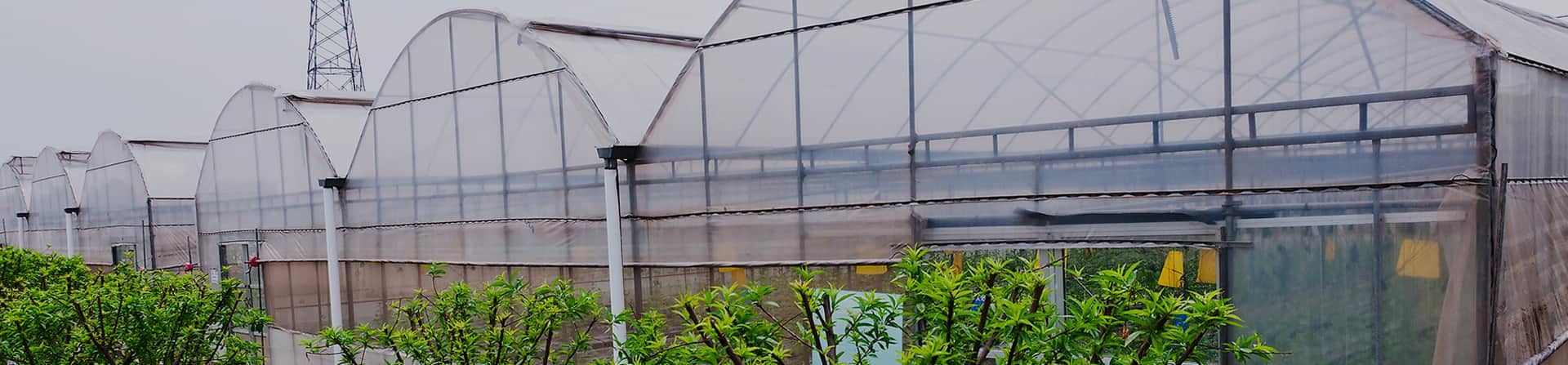
Understanding Date Bags: Their Role in Modern Agriculture
In the realm of facility agriculture, the term "date bag" often surfaces in discussions surrounding crop management and efficiency. A date bag is an essential tool used in various agricultural practices, primarily to protect and manage the growth of produce, particularly fruits. Understanding the significance of date bags can empower agricultural professionals to enhance yield while ensuring the quality of their products.
Date bags are typically made from breathable materials that allow air circulation while providing a physical barrier against pests, diseases, and environmental factors. Utilizing these bags can help in several ways. First, they protect delicate fruits from direct exposure to sunlight, which can cause sunburn and reduce the quality of the produce. By shading the fruits, date bags help maintain optimal ripening conditions, ensuring that the fruits develop their full flavor and nutritional value.
Another critical role of date bags is pest management. In agricultural settings, pests can pose a significant threat to the health and yield of crops. By encasing fruits in date bags, farmers can effectively minimize pest access, reducing the need for chemical pesticides. This not only helps in maintaining a healthier ecosystem but also aligns with sustainable farming practices, appealing to a growing market that values organic and environmentally friendly produce.
Additionally, date bags assist in moisture retention. In facility agriculture, maintaining the right level of humidity is crucial for both plant health and fruit quality. Date bags can help retain moisture around the fruits, preventing them from drying out and promoting better overall growth. This is especially beneficial in regions where water scarcity is a concern, as it contributes to more efficient water usage and crop management.
Furthermore, date bags can play a significant role in improving post-harvest quality. When fruits are harvested, the packaging plays a crucial role in preserving their freshness during transport and storage. By using date bags, growers can ensure that their products reach consumers in optimal condition, thereby enhancing customer satisfaction and reducing waste.
In summary, date bags are an invaluable tool in the arsenal of modern agricultural practices, particularly within the sector of facility agriculture. Their multifaceted benefits extend from pest management and moisture retention to improved post-harvest quality. By integrating date bags into their farming strategies, agricultural professionals can not only boost their productivity but also adhere to sustainable practices that meet the demands of an increasingly environmentally conscious market. Embracing such innovations is essential for the future of agriculture, ensuring that we can meet global food demands while preserving our natural resources.
Date bags are typically made from breathable materials that allow air circulation while providing a physical barrier against pests, diseases, and environmental factors. Utilizing these bags can help in several ways. First, they protect delicate fruits from direct exposure to sunlight, which can cause sunburn and reduce the quality of the produce. By shading the fruits, date bags help maintain optimal ripening conditions, ensuring that the fruits develop their full flavor and nutritional value.
Another critical role of date bags is pest management. In agricultural settings, pests can pose a significant threat to the health and yield of crops. By encasing fruits in date bags, farmers can effectively minimize pest access, reducing the need for chemical pesticides. This not only helps in maintaining a healthier ecosystem but also aligns with sustainable farming practices, appealing to a growing market that values organic and environmentally friendly produce.
Additionally, date bags assist in moisture retention. In facility agriculture, maintaining the right level of humidity is crucial for both plant health and fruit quality. Date bags can help retain moisture around the fruits, preventing them from drying out and promoting better overall growth. This is especially beneficial in regions where water scarcity is a concern, as it contributes to more efficient water usage and crop management.
Furthermore, date bags can play a significant role in improving post-harvest quality. When fruits are harvested, the packaging plays a crucial role in preserving their freshness during transport and storage. By using date bags, growers can ensure that their products reach consumers in optimal condition, thereby enhancing customer satisfaction and reducing waste.
In summary, date bags are an invaluable tool in the arsenal of modern agricultural practices, particularly within the sector of facility agriculture. Their multifaceted benefits extend from pest management and moisture retention to improved post-harvest quality. By integrating date bags into their farming strategies, agricultural professionals can not only boost their productivity but also adhere to sustainable practices that meet the demands of an increasingly environmentally conscious market. Embracing such innovations is essential for the future of agriculture, ensuring that we can meet global food demands while preserving our natural resources.
Key words:
Related News

CONTACT US
Email: sales8@meyabond.com
Tel: +8618911966213
No.3 Yard, ZhongHe Road, 100071,FengTai District, Beijing, China
Email: sales8@meyabond.com
Tel: +8618911966213
No.3 Yard, ZhongHe Road, 100071,FengTai District, Beijing, China
Meyabond Industry
You can trust.
Contact Us
Address:
No.3 Yard, ZhongHe Road, 100071,FengTai District, Beijing, China