


language
English
العربية
বাংলাদেশ
Български
Hrvatski
Česky
Dansk
Nederland
 Esperanto
Slovenski
Filipino
Suomi
Français
Maori
 Shqiptare
Georgian
 Euskara
Deutsch
Ελλάδα
ישראל
इंडिया
Magyarország
Ísland
Indonesia
Irlanda
Italia
日本語
Sovensko
Հայաստան
한국
Kyrgyz
ປະເທດລາວ
 Zulu
Zulu
Latvian
Lithuanian
Luxembourgish
 Latinus
Macedonian
Малайская
Maltese
Монгол улс
 Cymraeg
ဗမာ
 தமிழ்
தமிழ்
नेपाल
Norge
ایران
Polska
Portugal
România
Российская
Србија
 Slovak
Србија
 Slovak
Bosanski
Slovenian
Беларус
España
Sverige
Точик
ประเทศไทย
Türk
Azərbaycan
Uzbek
 Afrikaans
Việt Nam
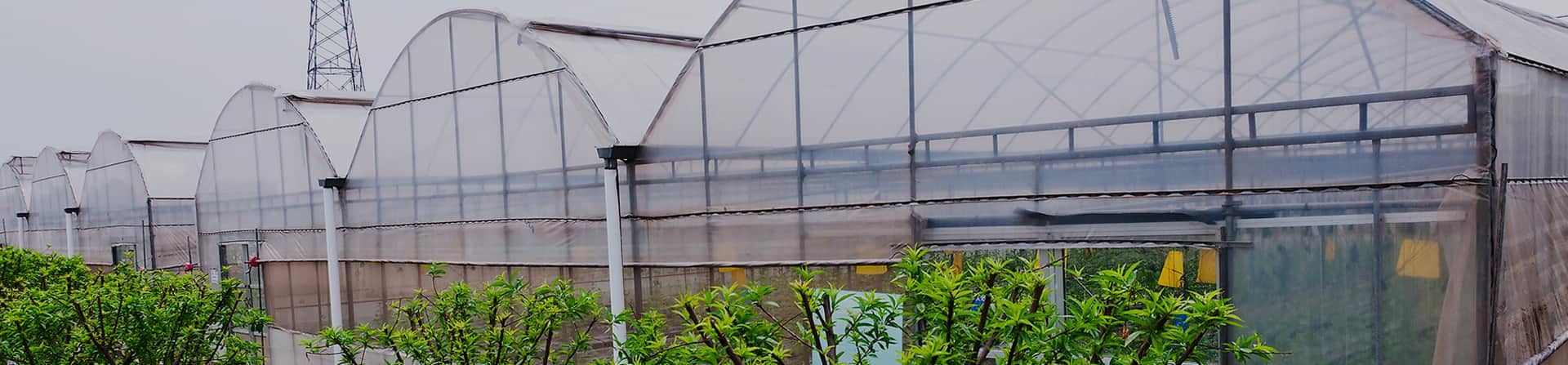
Protecting Your Crops: The Role of Anti-Hail Nets in Yemen's Agricultural Landscape
In the agricultural sector, especially in regions like Yemen where weather can be unpredictable, the use of protective measures is crucial for ensuring crop health and productivity. One such effective solution is the implementation of anti-hail nets, which serve as a protective barrier against hailstones, severe winds, and other adverse weather conditions that can devastate crops.
Anti-hail nets are designed to absorb the impact of falling hail, effectively minimizing damage to crops that might otherwise result in significant financial losses for farmers. These nets are typically made from high-quality, durable materials that can withstand harsh environmental conditions, ensuring longevity and effectiveness in protecting crops throughout the growing season. The strategic installation of anti-hail nets can significantly reduce the risk of hail damage, allowing farmers to produce healthier and more robust yields.
In Yemen, agriculture plays a vital role in sustaining the economy and providing food security. The introduction of anti-hail nets can enhance the resilience of Yemeni farmers against extreme weather, which has been exacerbated by climate change. By reducing crop loss due to hailstorms, farmers can maintain productivity levels and contribute to the overall stability of the food supply in the region.
Moreover, the use of anti-hail nets can also support sustainable agricultural practices. By protecting crops from extreme weather conditions, these nets help in reducing the need for chemical interventions and enable farmers to adopt more environmentally friendly farming methods. This aligns with the global trend towards sustainable agriculture, which seeks to balance productivity with environmental stewardship.
Another significant advantage of anti-hail nets is their versatility. They can be used for various types of crops, including fruits, vegetables, and even flowers, making them a valuable asset for diverse agricultural operations. By tailoring the installation of these nets to specific crop requirements, farmers in Yemen can optimize their agricultural practices and achieve better outcomes.
In conclusion, the adoption of anti-hail nets in Yemen's agricultural landscape represents a proactive approach to mitigating the risks posed by unpredictable weather patterns. As farmers strive to enhance productivity and ensure food security, these protective barriers emerge as essential tools in their agricultural toolkit. By investing in such innovative solutions, Yemeni farmers can look forward to a more resilient and sustainable future in agriculture.
Anti-hail nets are designed to absorb the impact of falling hail, effectively minimizing damage to crops that might otherwise result in significant financial losses for farmers. These nets are typically made from high-quality, durable materials that can withstand harsh environmental conditions, ensuring longevity and effectiveness in protecting crops throughout the growing season. The strategic installation of anti-hail nets can significantly reduce the risk of hail damage, allowing farmers to produce healthier and more robust yields.
In Yemen, agriculture plays a vital role in sustaining the economy and providing food security. The introduction of anti-hail nets can enhance the resilience of Yemeni farmers against extreme weather, which has been exacerbated by climate change. By reducing crop loss due to hailstorms, farmers can maintain productivity levels and contribute to the overall stability of the food supply in the region.
Moreover, the use of anti-hail nets can also support sustainable agricultural practices. By protecting crops from extreme weather conditions, these nets help in reducing the need for chemical interventions and enable farmers to adopt more environmentally friendly farming methods. This aligns with the global trend towards sustainable agriculture, which seeks to balance productivity with environmental stewardship.
Another significant advantage of anti-hail nets is their versatility. They can be used for various types of crops, including fruits, vegetables, and even flowers, making them a valuable asset for diverse agricultural operations. By tailoring the installation of these nets to specific crop requirements, farmers in Yemen can optimize their agricultural practices and achieve better outcomes.
In conclusion, the adoption of anti-hail nets in Yemen's agricultural landscape represents a proactive approach to mitigating the risks posed by unpredictable weather patterns. As farmers strive to enhance productivity and ensure food security, these protective barriers emerge as essential tools in their agricultural toolkit. By investing in such innovative solutions, Yemeni farmers can look forward to a more resilient and sustainable future in agriculture.
Key words:
Related News
CONTACT US
Email: sales8@meyabond.com
Tel: +8618911966213
No.3 Yard, ZhongHe Road, 100071,FengTai District, Beijing, China
Email: sales8@meyabond.com
Tel: +8618911966213
No.3 Yard, ZhongHe Road, 100071,FengTai District, Beijing, China
Meyabond Industry
You can trust.
Contact Us
Address:
No.3 Yard, ZhongHe Road, 100071,FengTai District, Beijing, China