


language
English
العربية
বাংলাদেশ
Български
Hrvatski
Česky
Dansk
Nederland
 Esperanto
Slovenski
Filipino
Suomi
Français
Maori
 Shqiptare
Georgian
 Euskara
Deutsch
Ελλάδα
ישראל
इंडिया
Magyarország
Ísland
Indonesia
Irlanda
Italia
日本語
Sovensko
Հայաստան
한국
Kyrgyz
ປະເທດລາວ
 Zulu
Zulu
Latvian
Lithuanian
Luxembourgish
 Latinus
Macedonian
Малайская
Maltese
Монгол улс
 Cymraeg
ဗမာ
 தமிழ்
தமிழ்
नेपाल
Norge
ایران
Polska
Portugal
România
Российская
Србија
 Slovak
Србија
 Slovak
Bosanski
Slovenian
Беларус
España
Sverige
Точик
ประเทศไทย
Türk
Azərbaycan
Uzbek
 Afrikaans
Việt Nam
The Benefits of 50 Mesh Anti Insect Nets in Agriculture
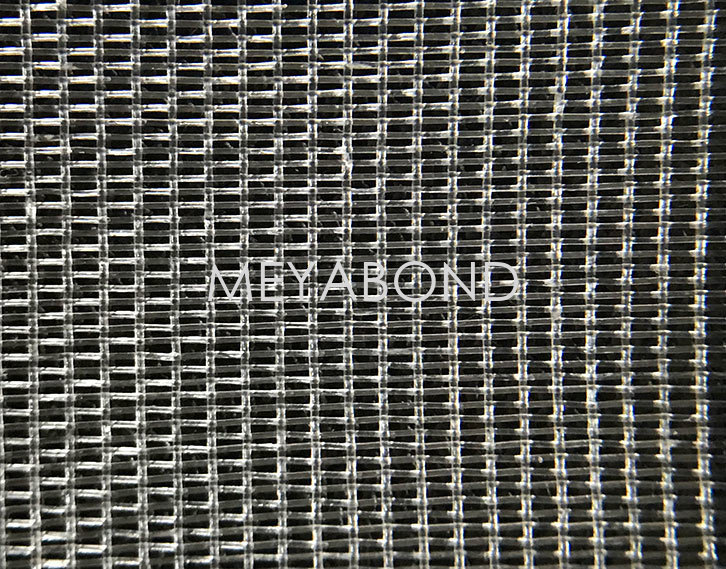
In modern agriculture, especially within the realm of protected cultivation, the use of 50 mesh anti insect nets has gained significant traction. These nets are specifically designed to create a barrier against various pests and insects that can threaten the integrity of crops. The term "50 mesh" refers to the number of holes per square inch in the netting, providing a fine filtration that is effective against even the smallest insects.
One of the primary benefits of using 50 mesh anti insect nets is their ability to minimize the need for chemical pesticides. By effectively blocking pests such as aphids, whiteflies, and thrips, these nets help ensure that crops are protected naturally. This is particularly important in organic farming, where the use of synthetic chemicals is strictly limited. Employing these nets not only leads to healthier produce but also contributes to environmental sustainability by reducing chemical runoff and promoting biodiversity.
In addition to pest control, 50 mesh nets also provide a physical barrier that helps mitigate the impact of other environmental factors. They shield crops from strong winds, heavy rain, and even hail, which can cause significant damage to delicate plants. Moreover, by creating a microclimate, these nets can help regulate temperature and humidity, fostering optimal growing conditions. This is particularly beneficial for sensitive crops that thrive in specific climatic conditions.
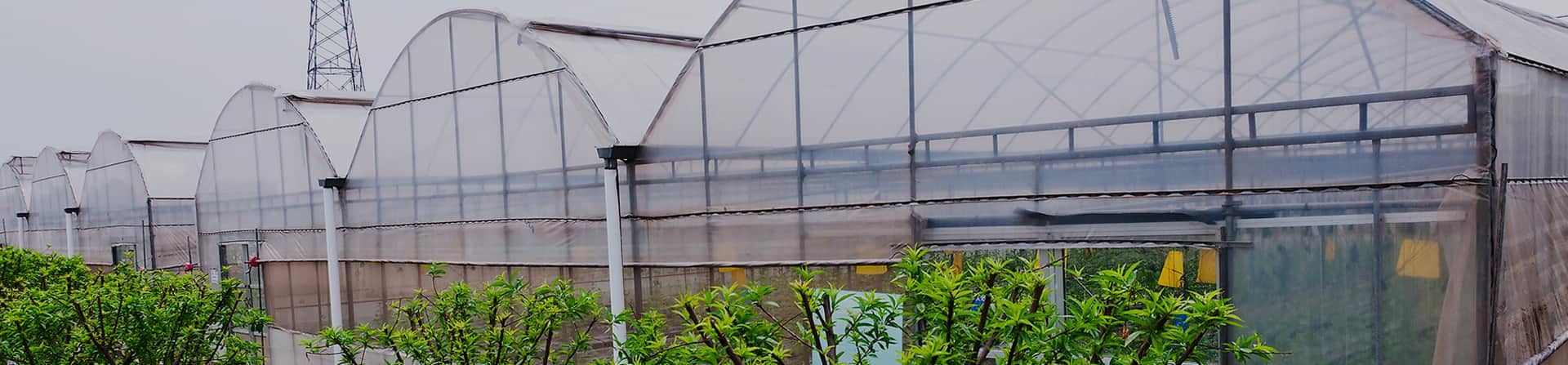
The installation of 50 mesh anti insect nets is relatively straightforward, making them accessible for a variety of farming operations. They can be used in greenhouses, tunnels, or as standalone protective structures in open fields. Easy maintenance is another advantage, as these nets are typically durable and resistant to UV radiation, ensuring a long lifespan with minimal upkeep.
Proper installation and tensioning are crucial for maximizing the effectiveness of the nets. Farmers should ensure that the nets are securely fastened to prevent any gaps that pests could exploit. Regular inspections are recommended to check for any wear and tear, ensuring that the nets maintain their integrity throughout the growing season.
In summary, the adoption of 50 mesh anti insect nets provides a multifaceted approach to pest management in agriculture. By reducing reliance on chemical pesticides, protecting against environmental stressors, and promoting better growing conditions, these nets serve as an invaluable tool for farmers aiming to enhance crop yield and quality. As agriculture continues to evolve, investing in effective solutions like 50 mesh anti insect nets is essential for sustainable growth and productivity.
One of the primary benefits of using 50 mesh anti insect nets is their ability to minimize the need for chemical pesticides. By effectively blocking pests such as aphids, whiteflies, and thrips, these nets help ensure that crops are protected naturally. This is particularly important in organic farming, where the use of synthetic chemicals is strictly limited. Employing these nets not only leads to healthier produce but also contributes to environmental sustainability by reducing chemical runoff and promoting biodiversity.
In addition to pest control, 50 mesh nets also provide a physical barrier that helps mitigate the impact of other environmental factors. They shield crops from strong winds, heavy rain, and even hail, which can cause significant damage to delicate plants. Moreover, by creating a microclimate, these nets can help regulate temperature and humidity, fostering optimal growing conditions. This is particularly beneficial for sensitive crops that thrive in specific climatic conditions.
The installation of 50 mesh anti insect nets is relatively straightforward, making them accessible for a variety of farming operations. They can be used in greenhouses, tunnels, or as standalone protective structures in open fields. Easy maintenance is another advantage, as these nets are typically durable and resistant to UV radiation, ensuring a long lifespan with minimal upkeep.
Proper installation and tensioning are crucial for maximizing the effectiveness of the nets. Farmers should ensure that the nets are securely fastened to prevent any gaps that pests could exploit. Regular inspections are recommended to check for any wear and tear, ensuring that the nets maintain their integrity throughout the growing season.
In summary, the adoption of 50 mesh anti insect nets provides a multifaceted approach to pest management in agriculture. By reducing reliance on chemical pesticides, protecting against environmental stressors, and promoting better growing conditions, these nets serve as an invaluable tool for farmers aiming to enhance crop yield and quality. As agriculture continues to evolve, investing in effective solutions like 50 mesh anti insect nets is essential for sustainable growth and productivity.
Key words:
Related News


CONTACT US
Email: sales8@meyabond.com
Tel: +8618911966213
No.3 Yard, ZhongHe Road, 100071,FengTai District, Beijing, China
Email: sales8@meyabond.com
Tel: +8618911966213
No.3 Yard, ZhongHe Road, 100071,FengTai District, Beijing, China
Meyabond Industry
You can trust.
Contact Us
Address:
No.3 Yard, ZhongHe Road, 100071,FengTai District, Beijing, China