


language
English
العربية
বাংলাদেশ
Български
Hrvatski
Česky
Dansk
Nederland
 Esperanto
Slovenski
Filipino
Suomi
Français
Maori
 Shqiptare
Georgian
 Euskara
Deutsch
Ελλάδα
ישראל
इंडिया
Magyarország
Ísland
Indonesia
Irlanda
Italia
日本語
Sovensko
Հայաստան
한국
Kyrgyz
ປະເທດລາວ
 Zulu
Zulu
Latvian
Lithuanian
Luxembourgish
 Latinus
Macedonian
Малайская
Maltese
Монгол улс
 Cymraeg
ဗမာ
 தமிழ்
தமிழ்
नेपाल
Norge
ایران
Polska
Portugal
România
Российская
Србија
 Slovak
Србија
 Slovak
Bosanski
Slovenian
Беларус
España
Sverige
Точик
ประเทศไทย
Türk
Azərbaycan
Uzbek
 Afrikaans
Việt Nam
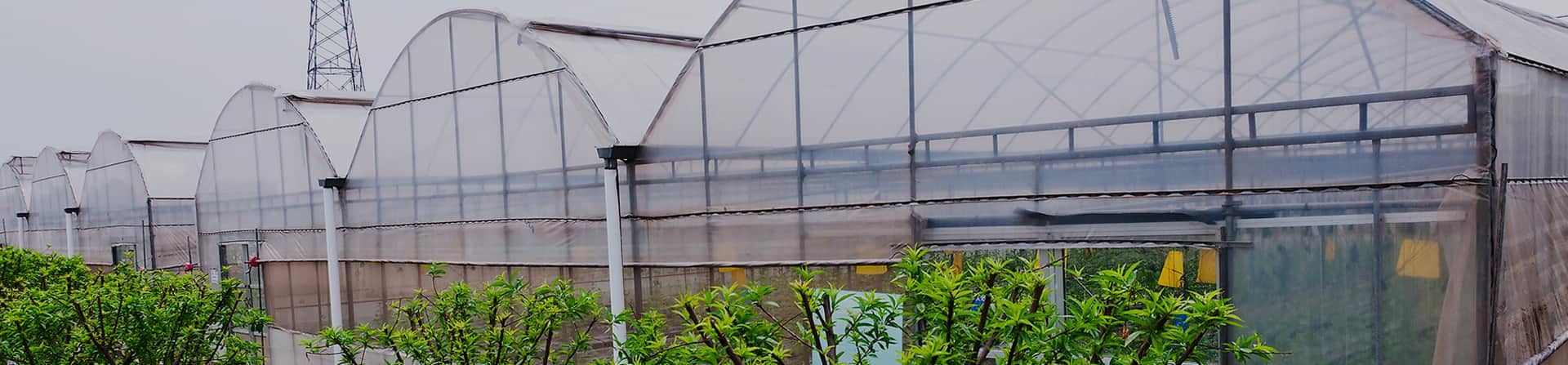
The Advantages of Implementing Tree Protective Sleeves in Electrical Systems
The Advantages of Implementing Tree Protective Sleeves in Electrical Systems
Table of Contents
- Introduction to Tree Protective Sleeves
- What Are Tree Protective Sleeves?
- The Benefits of Using Tree Protective Sleeves
- Enhanced Protection Against Environmental Factors
- Improved Safety for Electrical Systems
- Reduced Maintenance Costs
- Aesthetic Appeal in Electrical Installations
- Applications of Tree Protective Sleeves in Electrical Systems
- How to Properly Install Tree Protective Sleeves
- Best Practices for Using Tree Protective Sleeves
- Frequently Asked Questions (FAQs)
- Conclusion
Introduction to Tree Protective Sleeves
With the increasing complexity of electrical systems, ensuring their safety and reliability has become paramount. One innovative solution gaining traction in the industry is the use of tree protective sleeves. These protective measures not only enhance the longevity of electrical components but also improve overall system safety and performance. In this article, we will delve into the advantages of these sleeves and how they can positively impact electrical installations.
What Are Tree Protective Sleeves?
Tree protective sleeves are specialized coverings designed to safeguard electrical cables and components from various environmental stresses. Made from high-quality materials, these sleeves wrap around electrical installations, offering an added layer of protection against moisture, abrasion, and other potential hazards. Their design allows for flexibility and durability, ensuring they can withstand the rigors of different environments.
The Benefits of Using Tree Protective Sleeves
There are numerous advantages to incorporating tree protective sleeves into electrical systems. Below, we explore some of the most significant benefits.
Enhanced Protection Against Environmental Factors
One of the primary benefits of tree protective sleeves is their ability to shield electrical components from environmental challenges. Whether it’s rain, snow, or extreme temperatures, these sleeves provide a robust barrier that prevents moisture from seeping into electrical connections. This protection is crucial in preventing corrosion and damage, which can lead to costly repairs and downtime.
Improved Safety for Electrical Systems
Safety is a top priority in any electrical installation. Tree protective sleeves enhance safety by reducing the risk of electrical shorts and fires caused by exposed wires and connections. By encapsulating electrical components within a protective sleeve, the likelihood of accidental contact with live wires is minimized, thus ensuring a safer environment for both technicians and users.
Reduced Maintenance Costs
Incorporating tree protective sleeves can lead to significant cost savings over time. By protecting electrical components from damage, these sleeves reduce the frequency of maintenance and repairs. Electrical systems that are well-protected can operate more efficiently, ultimately leading to lower operational costs and a longer lifespan for the equipment.
Aesthetic Appeal in Electrical Installations
Beyond functionality, tree protective sleeves can enhance the visual appeal of electrical installations. Available in various colors and designs, these sleeves can blend seamlessly with the surrounding environment or serve as a design element. This aesthetic consideration is particularly important in settings where electrical systems are visible or where appearance plays a role in customer perception.
Applications of Tree Protective Sleeves in Electrical Systems
Tree protective sleeves have a wide range of applications across various electrical sectors. Here are some of the key areas where these protective measures are commonly utilized:
Residential Electrical Installations
In homes, tree protective sleeves can safeguard wiring from pests, moisture, and other environmental factors. They are particularly beneficial in areas prone to flooding or severe weather conditions.
Commercial Electrical Systems
For commercial properties, the need for robust electrical protection is even more critical. Tree protective sleeves enhance safety and reduce maintenance needs in office buildings, retail spaces, and industrial facilities.
Outdoor Electrical Applications
In outdoor settings, such as parks and gardens, tree protective sleeves can shield electrical installations from the elements, ensuring they remain functional and safe for public use.
Telecommunication Systems
Telecommunication infrastructures, such as cables and signal boosters, also benefit from tree protective sleeves, which help maintain signal integrity and protect against environmental disruptions.
How to Properly Install Tree Protective Sleeves
Installing tree protective sleeves is a straightforward process, yet it requires careful attention to detail to ensure maximum effectiveness. Here are the essential steps for proper installation:
Step 1: Assess the Environment
Before installation, evaluate the environment where the sleeves will be used. Consider factors such as exposure to moisture, temperature variations, and potential physical damage.
Step 2: Select the Right Sleeve
Choose a tree protective sleeve that is appropriately sized and rated for the specific application. Ensure that it meets industry standards for durability and protection.
Step 3: Prepare the Electrical Components
Before applying the sleeve, ensure that all electrical components are clean and dry. Any debris or moisture can compromise the effectiveness of the sleeve.
Step 4: Apply the Sleeve
Carefully wrap the protective sleeve around the electrical components, ensuring a secure fit. Make sure to cover all vulnerable areas and prevent any gaps where moisture or debris could enter.
Step 5: Secure the Sleeve
Use appropriate fastening methods, such as ties or adhesive, to secure the sleeve in place. This ensures that it remains intact and provides continuous protection over time.
Best Practices for Using Tree Protective Sleeves
Implementing best practices when using tree protective sleeves can further enhance their effectiveness. Consider the following guidelines:
Regular Inspections
Conduct routine inspections of electrical installations that utilize protective sleeves. Look for any signs of wear, damage, or environmental impact that may compromise the protective function.
Maintain Cleanliness
Keep the area around electrical components clean and free from debris. A clean environment contributes to the longevity of the sleeves and the overall safety of the installation.
Stay Updated on Industry Standards
Stay informed about the latest industry standards and practices regarding electrical safety and protective measures. This knowledge will help ensure compliance and optimal performance of your systems.
Frequently Asked Questions (FAQs)
1. What materials are tree protective sleeves made from?
Tree protective sleeves are typically made from durable materials such as polyethylene, rubber, or specialized polymers designed to withstand environmental stresses.
2. How long do tree protective sleeves last?
The lifespan of tree protective sleeves depends on the material used and environmental conditions. Generally, high-quality sleeves can last several years with proper maintenance.
3. Can tree protective sleeves be used for indoor applications?
Yes, tree protective sleeves can be used for both indoor and outdoor applications. They provide essential protection regardless of the environment.
4. Are tree protective sleeves easy to install?
Yes, installing tree protective sleeves is a straightforward process. Following proper installation steps ensures they function effectively.
5. Do tree protective sleeves affect electrical performance?
No, tree protective sleeves are designed to enhance protection without interfering with electrical performance. They allow for efficient operation while safeguarding components.
Conclusion
Incorporating tree protective sleeves into electrical systems provides significant advantages that enhance safety, reduce maintenance costs, and improve the overall lifespan of electrical installations. By investing in these protective measures, you safeguard not only your equipment but also the well-being of users and technicians. Understanding the applications, installation techniques, and best practices associated with tree protective sleeves can lead to smarter, more efficient electrical systems capable of withstanding various environmental challenges. As technology continues to evolve, adapting protective measures will remain essential for maintaining the integrity and functionality of electrical systems in all settings.
Key words:
Related News


CONTACT US
Email: sales8@meyabond.com
Tel: +8618911966213
No.3 Yard, ZhongHe Road, 100071,FengTai District, Beijing, China
Email: sales6@meyabond.com
Tel: +8618911963856
No.3 Yard, ZhongHe Road, 100071,FengTai District, Beijing, China
Meyabond Industry
You can trust.
Contact Us
Address:
No.3 Yard, ZhongHe Road, 100071,FengTai District, Beijing, China