


language
English
العربية
বাংলাদেশ
Български
Hrvatski
Česky
Dansk
Nederland
 Esperanto
Slovenski
Filipino
Suomi
Français
Maori
 Shqiptare
Georgian
 Euskara
Deutsch
Ελλάδα
ישראל
इंडिया
Magyarország
Ísland
Indonesia
Irlanda
Italia
日本語
Sovensko
Հայաստան
한국
Kyrgyz
ປະເທດລາວ
 Zulu
Zulu
Latvian
Lithuanian
Luxembourgish
 Latinus
Macedonian
Малайская
Maltese
Монгол улс
 Cymraeg
ဗမာ
 தமிழ்
தமிழ்
नेपाल
Norge
ایران
Polska
Portugal
România
Российская
Србија
 Slovak
Србија
 Slovak
Bosanski
Slovenian
Беларус
España
Sverige
Точик
ประเทศไทย
Türk
Azərbaycan
Uzbek
 Afrikaans
Việt Nam
The Importance of Open Protective Nets in Modern Agriculture
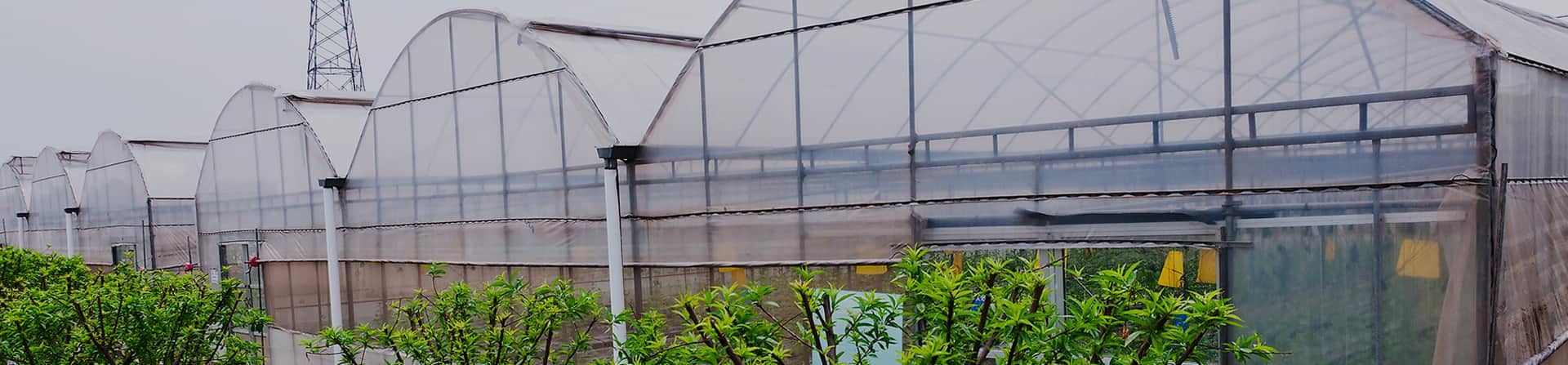
Open protective nets have become an integral component in modern agricultural practices, particularly in facility agriculture where crops are grown in controlled environments. These nets serve a dual purpose: they protect plants from pests while allowing sunlight and rain to reach them, thus creating optimal growth conditions. Understanding the significance of open protective nets can help agricultural professionals maximize their crop yield and maintain high-quality produce.
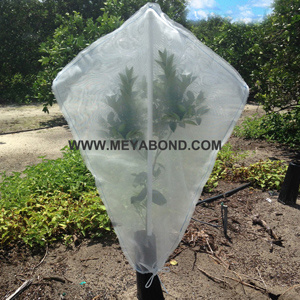
One of the primary benefits of open protective nets is their effectiveness in preventing insect damage. Pests such as aphids, whiteflies, and caterpillars can wreak havoc on crops, leading to diminished harvests and increased reliance on chemical pesticides. By installing these nets, farmers can create a physical barrier that deters pests from reaching their plants. This method not only reduces the need for chemical interventions but also aligns with sustainable agriculture practices.
Furthermore, open protective nets are designed to allow the free flow of air and sunlight, which are essential for plant photosynthesis and growth. Unlike solid coverings, these nets do not obstruct light or ventilation, ensuring that crops receive the necessary resources for optimal development. This is particularly important in greenhouse settings, where maintaining a balance of temperature, humidity, and light is crucial.
In addition to pest control and light management, open protective nets can also offer protection against adverse weather conditions. Strong winds, heavy rainfall, and hail can cause significant damage to crops, especially delicate varieties. By utilizing these nets, farmers can shield their plants from physical trauma while still providing them with the essential elements they need for growth.
When considering the installation of open protective nets, there are several factors to keep in mind. The choice of netting material is critical, as different types offer varying levels of protection against specific pests and environmental factors. Additionally, the mesh size should be selected based on the types of insects prevalent in the area, ensuring that the net effectively blocks unwanted visitors while allowing beneficial insects to pass through.
Another essential consideration is the layout and maintenance of the netting system. Proper installation techniques and regular inspections can help maintain the integrity of the protective barrier, preventing potential breaches that could allow pests to infiltrate. Farmers should also be aware of the net's durability and how it withstands local weather conditions over time.
In conclusion, open protective nets are a valuable investment for agricultural professionals looking to enhance their crop protection strategies. By combining pest management, environmental control, and sustainability, these nets play a crucial role in modern agriculture, paving the way for healthier crops and better yields.
One of the primary benefits of open protective nets is their effectiveness in preventing insect damage. Pests such as aphids, whiteflies, and caterpillars can wreak havoc on crops, leading to diminished harvests and increased reliance on chemical pesticides. By installing these nets, farmers can create a physical barrier that deters pests from reaching their plants. This method not only reduces the need for chemical interventions but also aligns with sustainable agriculture practices.
Furthermore, open protective nets are designed to allow the free flow of air and sunlight, which are essential for plant photosynthesis and growth. Unlike solid coverings, these nets do not obstruct light or ventilation, ensuring that crops receive the necessary resources for optimal development. This is particularly important in greenhouse settings, where maintaining a balance of temperature, humidity, and light is crucial.
In addition to pest control and light management, open protective nets can also offer protection against adverse weather conditions. Strong winds, heavy rainfall, and hail can cause significant damage to crops, especially delicate varieties. By utilizing these nets, farmers can shield their plants from physical trauma while still providing them with the essential elements they need for growth.
When considering the installation of open protective nets, there are several factors to keep in mind. The choice of netting material is critical, as different types offer varying levels of protection against specific pests and environmental factors. Additionally, the mesh size should be selected based on the types of insects prevalent in the area, ensuring that the net effectively blocks unwanted visitors while allowing beneficial insects to pass through.
Another essential consideration is the layout and maintenance of the netting system. Proper installation techniques and regular inspections can help maintain the integrity of the protective barrier, preventing potential breaches that could allow pests to infiltrate. Farmers should also be aware of the net's durability and how it withstands local weather conditions over time.
In conclusion, open protective nets are a valuable investment for agricultural professionals looking to enhance their crop protection strategies. By combining pest management, environmental control, and sustainability, these nets play a crucial role in modern agriculture, paving the way for healthier crops and better yields.
Key words:
Related News


CONTACT US
Email: sales8@meyabond.com
Tel: +8618911966213
No.3 Yard, ZhongHe Road, 100071,FengTai District, Beijing, China
Email: sales6@meyabond.com
Tel: +8618911963856
No.3 Yard, ZhongHe Road, 100071,FengTai District, Beijing, China
Meyabond Industry
You can trust.
Contact Us
Address:
No.3 Yard, ZhongHe Road, 100071,FengTai District, Beijing, China