


language
English
العربية
বাংলাদেশ
Български
Hrvatski
Česky
Dansk
Nederland
 Esperanto
Slovenski
Filipino
Suomi
Français
Maori
 Shqiptare
Georgian
 Euskara
Deutsch
Ελλάδα
ישראל
इंडिया
Magyarország
Ísland
Indonesia
Irlanda
Italia
日本語
Sovensko
Հայաստան
한국
Kyrgyz
ປະເທດລາວ
 Zulu
Zulu
Latvian
Lithuanian
Luxembourgish
 Latinus
Macedonian
Малайская
Maltese
Монгол улс
 Cymraeg
ဗမာ
 தமிழ்
தமிழ்
नेपाल
Norge
ایران
Polska
Portugal
România
Российская
Србија
 Slovak
Србија
 Slovak
Bosanski
Slovenian
Беларус
España
Sverige
Точик
ประเทศไทย
Türk
Azərbaycan
Uzbek
 Afrikaans
Việt Nam
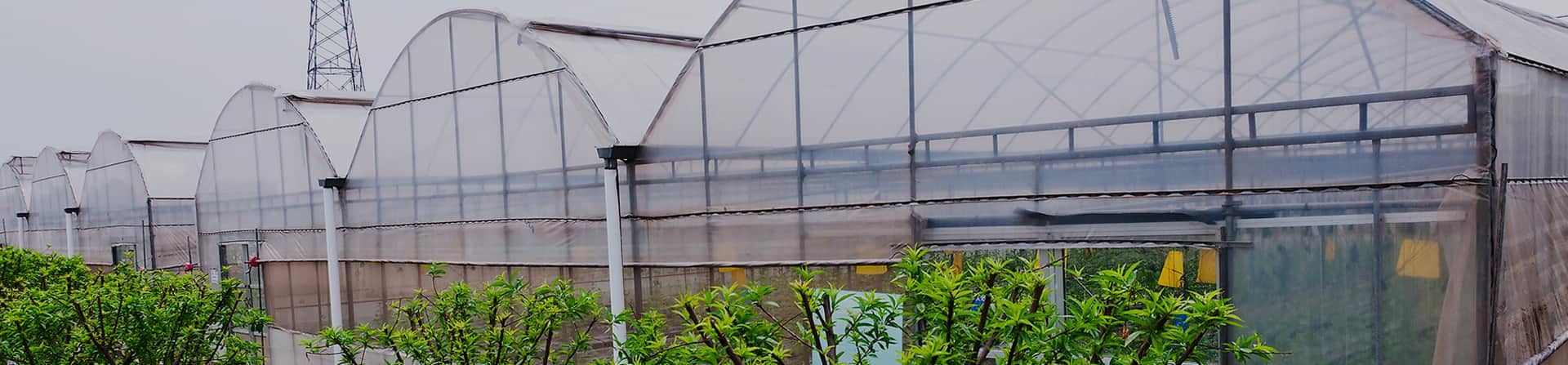
The Ultimate Guide to Choosing the Right Anti Hail Net for Your Farm
The Ultimate Guide to Choosing the Right Anti Hail Net for Your Farm
Introduction to Anti Hail Nets and Their Importance
In the world of agriculture, protecting crops from adverse weather is paramount. Hailstorms can cause devastating damage to a farmer's livelihood within moments. **Anti hail nets** offer a practical solution for safeguarding crops from hail damage. These nets serve as a physical barrier, shielding plants from falling hailstones while allowing sunlight and rain to reach them. In this guide, we will explore the various factors to consider when choosing the right anti hail net for your farm.
Understanding the Different Types of Anti Hail Nets
Choosing the right anti hail net begins with understanding the different types available in the market. Here are the most common types:
1. Polyethylene Nets
Polyethylene nets are among the most widely used materials for anti hail protection. They are lightweight, durable, and offer excellent UV resistance, making them a popular choice for many farmers.
2. Knitted Nets
Knitted nets provide a flexible option that can expand to absorb the impact of hail. These nets are often more durable and have a longer lifespan compared to other materials.
3. Woven Nets
Woven nets are generally heavier and more robust, offering high levels of protection. They are ideal for farms in regions with frequent severe weather.
Key Features to Look for in Anti Hail Nets
When selecting an anti hail net, it’s crucial to consider several key features:
1. Mesh Size
The **mesh size** of the net directly impacts its efficacy. A smaller mesh size may provide better protection against smaller hailstones, but it might also limit airflow. Conversely, larger mesh sizes can allow more air to circulate but may not offer adequate protection.
2. UV Resistance
Ensure that the net has high UV resistance to prolong its lifespan. Constant exposure to sunlight can degrade materials over time, so investing in nets designed to withstand UV rays is essential.
3. Weight and Thickness
**Weight and thickness** are critical factors that affect durability. Heavier nets can provide better protection but may be more challenging to install. It's essential to find a balance that suits your farm's specific needs.
4. Anti-Static Properties
Some anti hail nets come with anti-static properties, which can help prevent dust and debris from accumulating. This feature can be particularly beneficial in dry regions.
Installation Techniques for Anti Hail Nets
Proper installation of anti hail nets is crucial to their effectiveness. Here are some techniques to consider:
1. Site Assessment
Before installing nets, conduct a thorough assessment of your site. This includes understanding wind patterns, sunlight exposure, and the specific crops you aim to protect.
2. Support Structures
Utilizing robust support structures is essential to ensure that your nets remain taut and effective. A well-designed framework can prevent sagging and tearing.
3. Anchoring the Nets
Proper anchoring is vital to keep the nets in place during harsh weather conditions. Use durable ties or weights to secure the nets firmly to the ground.
Maintenance of Anti Hail Nets
Maintaining your anti hail nets can significantly enhance their lifespan and effectiveness:
1. Regular Inspections
Conduct regular inspections to check for any signs of wear and tear. Early detection can help prevent small issues from escalating into larger problems.
2. Cleaning
Keep your nets clean by removing debris, dust, and any other material that may accumulate over time. This promotes better light penetration and airflow.
3. Seasonal Adjustments
Depending on the season, ensure that your nets are adjusted appropriately to accommodate changing weather conditions. This may include tightening or loosening the nets as needed.
Costs Associated with Anti Hail Nets
Understanding the costs involved in purchasing and maintaining anti hail nets can help you budget effectively:
1. Initial Investment
The initial cost of purchasing anti hail nets can vary widely based on material, size, and brand. It’s essential to compare options and choose one that fits your budget while providing adequate protection.
2. Installation Costs
If you’re not comfortable installing the nets yourself, consider hiring professionals. Factor in these costs as part of your overall budget.
3. Maintenance Costs
Regular maintenance may incur additional costs, especially if you need to replace sections of the net or repair support structures.
Benefits of Using Anti Hail Nets
Investing in anti hail nets can yield numerous benefits for farmers:
1. Crop Protection
The primary benefit of anti hail nets is, of course, their ability to protect crops from hail damage, ensuring better yields and income stability.
2. Improved Microclimate
These nets can help create a more stable microclimate for crops, protecting them from extreme weather conditions, including strong winds and intense sunlight.
3. Increased Crop Quality
By protecting crops from physical damage, anti hail nets can lead to higher-quality produce, which can fetch better market prices.
Frequently Asked Questions (FAQs)
1. What crops benefit the most from anti hail nets?
Certain crops like grapes, apples, and berries are particularly vulnerable to hail damage and benefit significantly from the protection offered by anti hail nets.
2. How long do anti hail nets last?
The lifespan of anti hail nets varies depending on the materials used and environmental conditions. Generally, high-quality nets can last between 5 to 15 years with proper maintenance.
3. Can anti hail nets be reused?
Yes, depending on their condition after the first use, anti hail nets can often be reused for multiple growing seasons.
4. Do I need a permit to install anti hail nets?
Check with your local agricultural authority as regulations may vary by region. Some areas might require permits for large installations.
5. How do I choose the right mesh size for my needs?
Consider the average size of hailstones in your area and the specific crops you’re protecting. Smaller mesh sizes can offer more protection but may restrict airflow.
Conclusion
Choosing the right anti hail net for your farm is an investment in your agricultural future. With the right knowledge, you can make informed decisions that will protect your crops and ultimately enhance your yields and profits. By considering factors such as material type, mesh size, installation techniques, and maintenance, you can ensure that your chosen net meets your specific needs. Remember, investing in quality protection today can safeguard your crops against nature's unpredictability tomorrow.
Key words:
Related News


CONTACT US
Email: sales8@meyabond.com
Tel: +8618911966213
No.3 Yard, ZhongHe Road, 100071,FengTai District, Beijing, China
Email: sales6@meyabond.com
Tel: +8618911963856
No.3 Yard, ZhongHe Road, 100071,FengTai District, Beijing, China
Meyabond Industry
You can trust.
Contact Us
Address:
No.3 Yard, ZhongHe Road, 100071,FengTai District, Beijing, China