


language
English
العربية
বাংলাদেশ
Български
Hrvatski
Česky
Dansk
Nederland
 Esperanto
Slovenski
Filipino
Suomi
Français
Maori
 Shqiptare
Georgian
 Euskara
Deutsch
Ελλάδα
ישראל
इंडिया
Magyarország
Ísland
Indonesia
Irlanda
Italia
日本語
Sovensko
Հայաստան
한국
Kyrgyz
ປະເທດລາວ
 Zulu
Zulu
Latvian
Lithuanian
Luxembourgish
 Latinus
Macedonian
Малайская
Maltese
Монгол улс
 Cymraeg
ဗမာ
 தமிழ்
தமிழ்
नेपाल
Norge
ایران
Polska
Portugal
România
Российская
Србија
 Slovak
Србија
 Slovak
Bosanski
Slovenian
Беларус
España
Sverige
Точик
ประเทศไทย
Türk
Azərbaycan
Uzbek
 Afrikaans
Việt Nam
Maximizing Crop Protection with Anti Insect Nets: A Comprehensive Guide
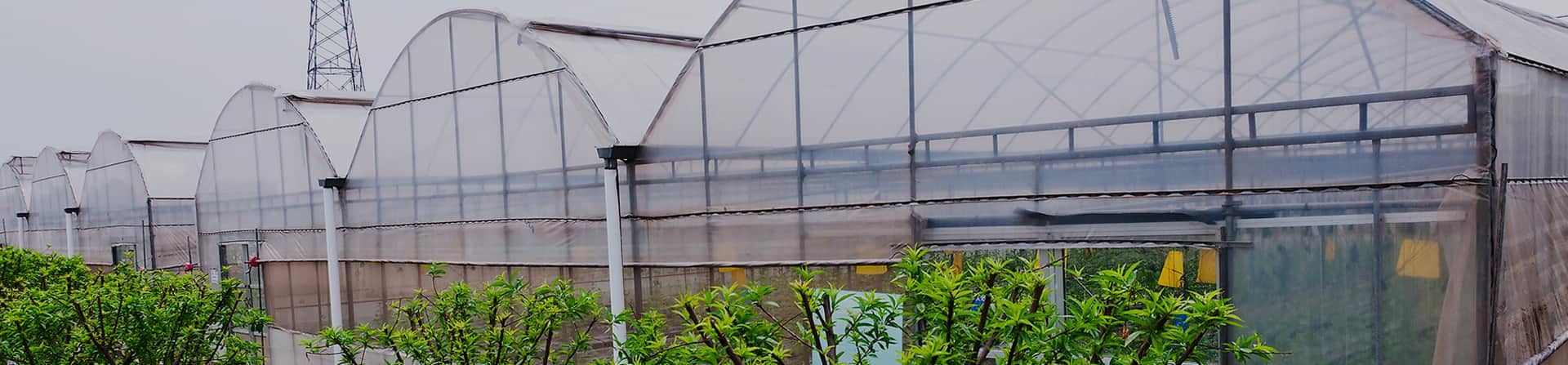
In the world of agricultural practices, protecting crops from pests is a top priority for farmers. One of the most effective solutions for pest management is the use of anti insect nets. These specially designed nets offer a physical barrier that prevents various insects from reaching your crops while allowing sunlight, air, and rain to nourish the plants. This method of pest control is not just efficient; it’s also sustainable and reduces the need for chemical pesticides, making it a popular choice among environmentally conscious farmers.
Anti insect nets come in various mesh sizes, which can be tailored to cater to specific types of pests. For instance, finer mesh nets can effectively block smaller insects like aphids and thrips, while coarser meshes can deter larger pests. When selecting an anti insect net, it’s crucial to consider the types of insects prevalent in your area and choose a net that best addresses those issues. Additionally, the choice of material can impact durability and effectiveness; high-quality nets are designed to withstand harsh weather conditions while ensuring optimal air circulation for the plants.
Installing anti insect nets requires careful planning. The nets should be placed in a manner that covers the entire crop area, leaving no gaps for insects to infiltrate. It’s important to secure the edges of the nets to the ground to prevent pests from crawling underneath. Regular inspections are also essential; check for any signs of wear and tear, especially after extreme weather events. If holes or tears are found, they should be repaired promptly to maintain the integrity of the pest barrier.
Another significant advantage of using anti insect nets is that they can also provide protection against birds and other wildlife. This added benefit makes them an excellent investment for protecting not only fruit and vegetable crops but also ornamental plants. Furthermore, by creating a microclimate under the net, these systems can potentially enhance growth rates and yield quality.
In addition to pest control, anti insect nets contribute to a reduction in pesticide use, which can lead to lower costs and a healthier ecosystem. Farmers who adopt this method often notice an increase in beneficial insect populations, such as pollinators, which are essential for crop production.
In conclusion, anti insect nets represent a proactive approach to pest management in agriculture. By effectively shielding crops from harmful insects while promoting a healthier growing environment, these nets can significantly improve agricultural outcomes. Whether you are a seasoned farmer or a novice in the field, integrating anti insect nets into your farming practices can lead to a more sustainable and productive agricultural operation.
Anti insect nets come in various mesh sizes, which can be tailored to cater to specific types of pests. For instance, finer mesh nets can effectively block smaller insects like aphids and thrips, while coarser meshes can deter larger pests. When selecting an anti insect net, it’s crucial to consider the types of insects prevalent in your area and choose a net that best addresses those issues. Additionally, the choice of material can impact durability and effectiveness; high-quality nets are designed to withstand harsh weather conditions while ensuring optimal air circulation for the plants.
Installing anti insect nets requires careful planning. The nets should be placed in a manner that covers the entire crop area, leaving no gaps for insects to infiltrate. It’s important to secure the edges of the nets to the ground to prevent pests from crawling underneath. Regular inspections are also essential; check for any signs of wear and tear, especially after extreme weather events. If holes or tears are found, they should be repaired promptly to maintain the integrity of the pest barrier.
Another significant advantage of using anti insect nets is that they can also provide protection against birds and other wildlife. This added benefit makes them an excellent investment for protecting not only fruit and vegetable crops but also ornamental plants. Furthermore, by creating a microclimate under the net, these systems can potentially enhance growth rates and yield quality.
In addition to pest control, anti insect nets contribute to a reduction in pesticide use, which can lead to lower costs and a healthier ecosystem. Farmers who adopt this method often notice an increase in beneficial insect populations, such as pollinators, which are essential for crop production.
In conclusion, anti insect nets represent a proactive approach to pest management in agriculture. By effectively shielding crops from harmful insects while promoting a healthier growing environment, these nets can significantly improve agricultural outcomes. Whether you are a seasoned farmer or a novice in the field, integrating anti insect nets into your farming practices can lead to a more sustainable and productive agricultural operation.
Key words:
Related News


CONTACT US
Email: sales8@meyabond.com
Tel: +8618911966213
No.3 Yard, ZhongHe Road, 100071,FengTai District, Beijing, China
Email: sales6@meyabond.com
Tel: +8618911963856
No.3 Yard, ZhongHe Road, 100071,FengTai District, Beijing, China
Meyabond Industry
You can trust.
Contact Us
Address:
No.3 Yard, ZhongHe Road, 100071,FengTai District, Beijing, China