


language
English
العربية
বাংলাদেশ
Български
Hrvatski
Česky
Dansk
Nederland
 Esperanto
Slovenski
Filipino
Suomi
Français
Maori
 Shqiptare
Georgian
 Euskara
Deutsch
Ελλάδα
ישראל
इंडिया
Magyarország
Ísland
Indonesia
Irlanda
Italia
日本語
Sovensko
Հայաստան
한국
Kyrgyz
ປະເທດລາວ
 Zulu
Zulu
Latvian
Lithuanian
Luxembourgish
 Latinus
Macedonian
Малайская
Maltese
Монгол улс
 Cymraeg
ဗမာ
 தமிழ்
தமிழ்
नेपाल
Norge
ایران
Polska
Portugal
România
Российская
Србија
 Slovak
Србија
 Slovak
Bosanski
Slovenian
Беларус
España
Sverige
Точик
ประเทศไทย
Türk
Azərbaycan
Uzbek
 Afrikaans
Việt Nam
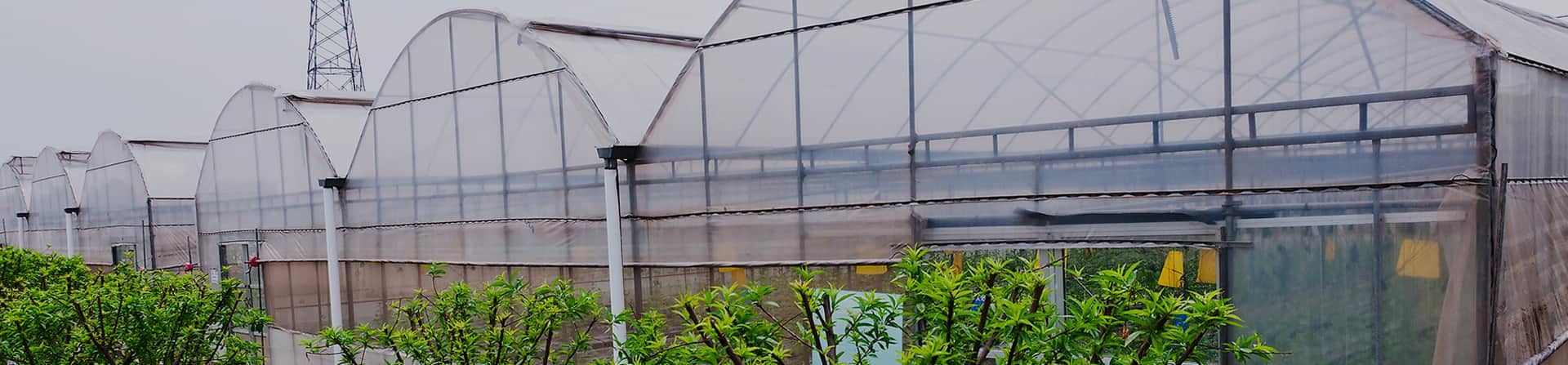
Effective Solutions for Pest Control: Understanding Anti-Aphid Nets
Anti-aphid nets are an essential tool in modern agriculture, particularly in controlled environments like greenhouses and high tunnels. These specialized nets are designed to provide a physical barrier against aphids and other harmful pests, which can significantly threaten crop health. Understanding how to effectively use these nets can lead to improved crop yield and lower pesticide usage.
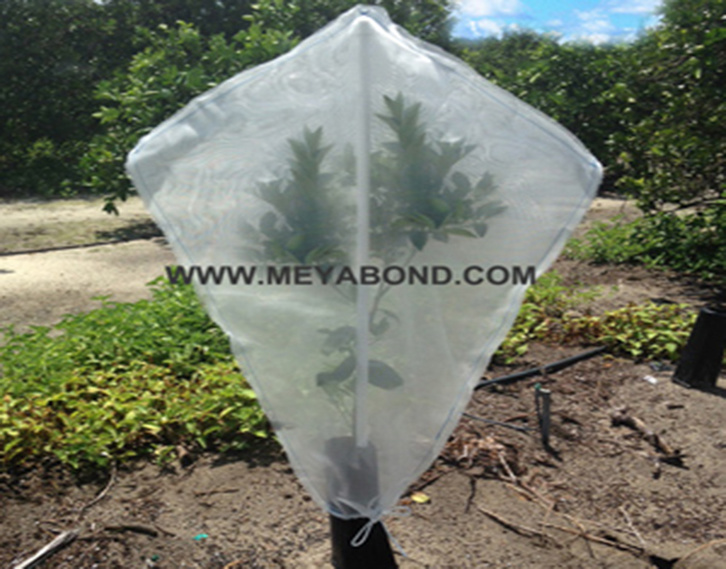
One of the primary advantages of anti-aphid nets is their ability to prevent aphids from accessing plants. Aphids are notorious for their rapid reproduction and can quickly become a significant nuisance if not controlled. By utilizing a fine mesh net, farmers can create a protective layer around their crops, allowing for necessary sunlight, air, and moisture to reach the plants while keeping pests at bay.
In addition to protecting crops from aphids, these nets also offer a defense against other insects and even some larger pests. This multi-faceted protection is crucial for maintaining the health and quality of produce. Furthermore, by reducing the reliance on chemical pesticides, anti-aphid nets contribute to more sustainable farming practices, thereby promoting environmental health.
When selecting anti-aphid nets, it is important to consider the mesh size. A finer mesh may be necessary for smaller pests, while a coarser mesh could suffice for larger insects. The choice of material is also critical; UV-resistant materials will ensure durability and longevity, making the nets a worthwhile investment over time.
Installation of these nets can be straightforward, but it’s essential to ensure that they are properly secured to prevent gaps that pests could exploit. Regular maintenance checks are also vital to monitor for any wear and tear. Properly installed and maintained anti-aphid nets can last several seasons, providing ongoing protection.
In addition to pest control, anti-aphid nets can offer benefits such as temperature regulation and reduced wind damage. By creating a microclimate around the plants, the nets can keep temperatures more stable, which is particularly beneficial during extreme weather conditions. This can lead to healthier plants and potentially higher yields.
Farmers should also consider integrating anti-aphid nets into a broader integrated pest management (IPM) strategy. Combining the use of physical barriers with biological controls, like introducing natural predators of aphids, can lead to more effective pest management.
In conclusion, anti-aphid nets are a powerful asset in modern agriculture. Their ability to provide a physical barrier against pests, while supporting ecological farming practices, makes them an invaluable resource for growers looking to protect their crops and enhance their production sustainably.
One of the primary advantages of anti-aphid nets is their ability to prevent aphids from accessing plants. Aphids are notorious for their rapid reproduction and can quickly become a significant nuisance if not controlled. By utilizing a fine mesh net, farmers can create a protective layer around their crops, allowing for necessary sunlight, air, and moisture to reach the plants while keeping pests at bay.
In addition to protecting crops from aphids, these nets also offer a defense against other insects and even some larger pests. This multi-faceted protection is crucial for maintaining the health and quality of produce. Furthermore, by reducing the reliance on chemical pesticides, anti-aphid nets contribute to more sustainable farming practices, thereby promoting environmental health.
When selecting anti-aphid nets, it is important to consider the mesh size. A finer mesh may be necessary for smaller pests, while a coarser mesh could suffice for larger insects. The choice of material is also critical; UV-resistant materials will ensure durability and longevity, making the nets a worthwhile investment over time.
Installation of these nets can be straightforward, but it’s essential to ensure that they are properly secured to prevent gaps that pests could exploit. Regular maintenance checks are also vital to monitor for any wear and tear. Properly installed and maintained anti-aphid nets can last several seasons, providing ongoing protection.
In addition to pest control, anti-aphid nets can offer benefits such as temperature regulation and reduced wind damage. By creating a microclimate around the plants, the nets can keep temperatures more stable, which is particularly beneficial during extreme weather conditions. This can lead to healthier plants and potentially higher yields.
Farmers should also consider integrating anti-aphid nets into a broader integrated pest management (IPM) strategy. Combining the use of physical barriers with biological controls, like introducing natural predators of aphids, can lead to more effective pest management.
In conclusion, anti-aphid nets are a powerful asset in modern agriculture. Their ability to provide a physical barrier against pests, while supporting ecological farming practices, makes them an invaluable resource for growers looking to protect their crops and enhance their production sustainably.
Key words:
Related News

CONTACT US
Email: sales8@meyabond.com
Tel: +8618911966213
No.3 Yard, ZhongHe Road, 100071,FengTai District, Beijing, China
Email: sales6@meyabond.com
Tel: +8618911963856
No.3 Yard, ZhongHe Road, 100071,FengTai District, Beijing, China
Meyabond Industry
You can trust.
Contact Us
Address:
No.3 Yard, ZhongHe Road, 100071,FengTai District, Beijing, China