


language
English
العربية
বাংলাদেশ
Български
Hrvatski
Česky
Dansk
Nederland
 Esperanto
Slovenski
Filipino
Suomi
Français
Maori
 Shqiptare
Georgian
 Euskara
Deutsch
Ελλάδα
ישראל
इंडिया
Magyarország
Ísland
Indonesia
Irlanda
Italia
日本語
Sovensko
Հայաստան
한국
Kyrgyz
ປະເທດລາວ
 Zulu
Zulu
Latvian
Lithuanian
Luxembourgish
 Latinus
Macedonian
Малайская
Maltese
Монгол улс
 Cymraeg
ဗမာ
 தமிழ்
தமிழ்
नेपाल
Norge
ایران
Polska
Portugal
România
Российская
Србија
 Slovak
Србија
 Slovak
Bosanski
Slovenian
Беларус
España
Sverige
Точик
ประเทศไทย
Türk
Azərbaycan
Uzbek
 Afrikaans
Việt Nam
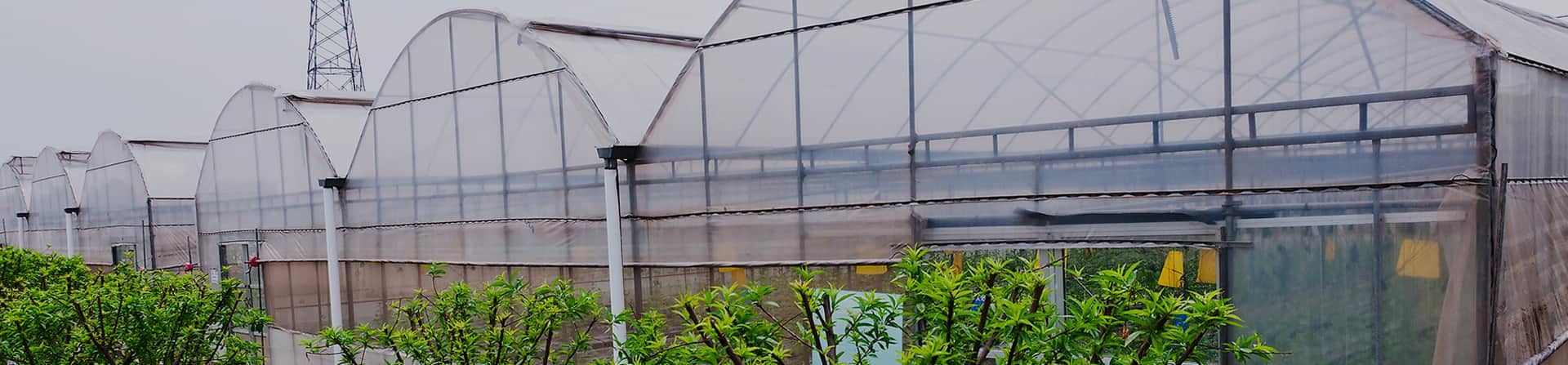
How to Choose the Right Anti Hail Netting for Your Agricultural Needs
How to Choose the Right Anti Hail Netting for Your Agricultural Needs
Table of Contents
- Understanding Hail Damage in Agriculture
- The Importance of Anti Hail Netting
- Types of Anti Hail Netting Available
- Key Factors to Consider When Choosing Anti Hail Netting
- Material Choices for Anti Hail Netting
- Installation and Maintenance of Anti Hail Netting
- Cost Considerations for Anti Hail Netting
- Frequently Asked Questions
- Conclusion
Understanding Hail Damage in Agriculture
Hail can cause significant damage to crops, leading to reduced yields and financial loss for farmers. The impact of hailstorms can vary based on the size of hailstones and the duration of the storm. Typically, smaller hailstones might bruise fruits and vegetables, while larger stones can shatter plants or even uproot them entirely. Understanding the potential damage is crucial for farmers aiming to protect their investments and secure healthy crops.
The Economic Impact of Hail Damage
Hailstorms not only affect the immediate health of plants but can also lead to long-term economic repercussions. Farmers may incur costs related to replanting, loss of income during the season, and increased insurance premiums. Selecting an effective anti hail netting solution can mitigate these risks, providing a safeguard against unpredictable weather patterns.
The Importance of Anti Hail Netting
Anti hail netting serves as a protective barrier that reduces the impact of hail on crops. By absorbing the shock of hailstones and deflecting them, these nets can preserve the integrity of plants, ensuring better yields and quality produce. Additionally, anti hail netting can offer broader benefits, including UV protection and pest deterrence.
Improving Crop Resilience
By investing in anti hail netting, farmers can enhance the resilience of their crops against various environmental stresses. This proactive measure not only protects against hail but also contributes to improved growth conditions, leading to healthier plants and more robust harvests.
Types of Anti Hail Netting Available
There are several types of anti hail netting available on the market, each designed for specific agricultural needs. Understanding the differences can help farmers make informed decisions.
Woven vs. Knitted Netting
Woven netting is crafted from tightly interlaced fibers, providing high durability and strength. This type is better suited for areas with severe weather conditions. On the other hand, knitted netting is more flexible and lightweight, making it easier to install and handle. Selecting between these options will depend on the specific requirements of your crops and local climate conditions.
Shade Netting vs. Anti Hail Netting
While shade netting offers protection from sunlight and heat, it does not provide the same level of defense against hail. Farmers should opt for dedicated anti hail netting to ensure comprehensive protection while also considering shade netting if additional thermal regulation is necessary.
Key Factors to Consider When Choosing Anti Hail Netting
Selecting the right anti hail netting involves evaluating multiple factors that align with your agricultural goals. Here are some essential considerations:
Crop Type and Size
Different crops may require specific types of netting based on their size and growth habits. For example, young seedlings may benefit from lighter netting, while mature fruit-bearing trees might require more robust solutions. Understanding the needs of your crop will guide your selection process.
Local Climate and Weather Patterns
Farmers should assess local weather conditions and historical data on hailstorms to choose the most suitable netting. Areas with frequent and severe hailstorms will necessitate stronger, more durable netting materials.
Netting Density and Size
The density of the netting directly influences its effectiveness. Higher density netting can better withstand severe weather conditions, while larger mesh sizes allow for better airflow. Balancing these factors is critical to ensure crop health during and after a storm.
Material Choices for Anti Hail Netting
The material used in manufacturing anti hail netting plays a significant role in its performance and longevity. Here are some common materials and their properties:
Polyethylene
Polyethylene is one of the most popular materials for anti hail netting due to its excellent durability and resistance to UV rays. This material is lightweight yet robust, making it ideal for various agricultural applications.
Polypropylene
Polypropylene netting is known for its strength and flexibility. It is often used in areas with varying weather conditions and provides effective protection against hail and pests.
HDPE (High-Density Polyethylene)
HDPE netting offers exceptional resistance to harsh environmental conditions. It is highly resistant to tearing and can withstand UV degradation, making it a long-lasting choice for farmers.
Installation and Maintenance of Anti Hail Netting
Proper installation and maintenance of anti hail netting are vital to ensure its effectiveness. Here are some key steps to follow:
Installation Guidelines
1. **Choose the Right Framework:** Ensure your netting is supported by a sturdy framework to prevent sagging.
2. **Secure the Edges:** Use weights or pegs to secure the edges of the netting to prevent wind from lifting it.
3. **Avoid Over-tightening:** While it’s essential to keep the netting taut, over-tightening can lead to damage during storms.
Maintenance Tips
Regularly inspect the netting for signs of wear and tear. Repair any small damages promptly to prevent them from worsening. Keep the area around the netting clear of debris to minimize the risk of damage.
Cost Considerations for Anti Hail Netting
Investing in high-quality anti hail netting can be a cost-effective strategy for safeguarding your crops. While initial costs may seem significant, consider the long-term savings associated with reduced crop loss and increased yields.
Budgeting for Your Needs
When establishing a budget for anti hail netting, consider factors such as the area to be covered, the types of crops, and the local climate. It may be beneficial to consult with agricultural experts to evaluate the best options for your specific situation.
Frequently Asked Questions
1. How long does anti hail netting last?
The lifespan of anti hail netting varies by material and environmental conditions but typically ranges from 5 to 15 years.
2. Can anti hail netting be reused?
Yes, if properly maintained, anti hail netting can be reused for multiple seasons, providing continued protection for your crops.
3. What is the best time to install anti hail netting?
It’s best to install anti hail netting before the growing season begins, ideally a few weeks before planting.
4. Does anti hail netting protect against other weather conditions?
Yes, many anti hail nets also provide protection against excessive sunlight, wind, and pests, offering additional benefits for crops.
5. Where can I purchase anti hail netting?
Anti hail netting is available at agricultural supply stores, online retailers, and specialty farming suppliers. Be sure to choose a reputable supplier to ensure quality products.
Conclusion
Choosing the right anti hail netting is a critical decision for farmers seeking to protect their crops from unpredictable weather. By understanding the various types of netting, evaluating material choices, and considering key factors such as crop type and local climate, farmers can make informed selections that enhance resilience and productivity. With proper installation and maintenance, anti hail netting can serve as an invaluable investment, safeguarding agricultural investments against the damaging effects of hail and other environmental stresses.
Key words:
Related News
CONTACT US
Email: sales8@meyabond.com
Tel: +8618911966213
No.3 Yard, ZhongHe Road, 100071,FengTai District, Beijing, China
Email: sales8@meyabond.com
Tel: +8618911966213
No.3 Yard, ZhongHe Road, 100071,FengTai District, Beijing, China
Meyabond Industry
You can trust.
Contact Us
Address:
No.3 Yard, ZhongHe Road, 100071,FengTai District, Beijing, China