


language
English
العربية
বাংলাদেশ
Български
Hrvatski
Česky
Dansk
Nederland
 Esperanto
Slovenski
Filipino
Suomi
Français
Maori
 Shqiptare
Georgian
 Euskara
Deutsch
Ελλάδα
ישראל
इंडिया
Magyarország
Ísland
Indonesia
Irlanda
Italia
日本語
Sovensko
Հայաստան
한국
Kyrgyz
ປະເທດລາວ
 Zulu
Zulu
Latvian
Lithuanian
Luxembourgish
 Latinus
Macedonian
Малайская
Maltese
Монгол улс
 Cymraeg
ဗမာ
 தமிழ்
தமிழ்
नेपाल
Norge
ایران
Polska
Portugal
România
Российская
Србија
 Slovak
Србија
 Slovak
Bosanski
Slovenian
Беларус
España
Sverige
Точик
ประเทศไทย
Türk
Azərbaycan
Uzbek
 Afrikaans
Việt Nam
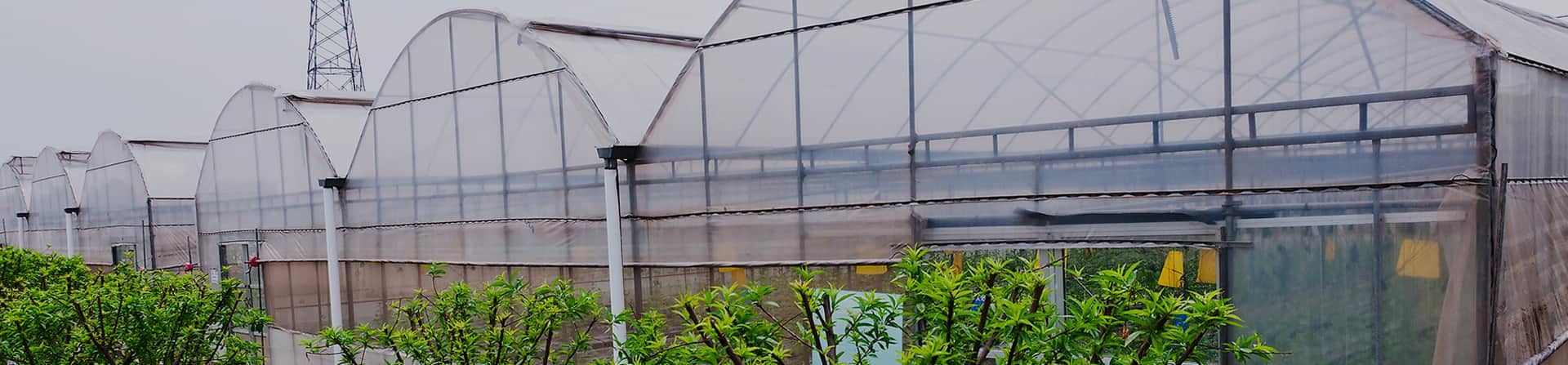
Effective Hail Protection for Your Crops with Plastic Mesh Solutions
Hailstorms can pose a significant threat to crops, causing severe damage and financial losses for farmers. Implementing effective hail protection strategies is essential to safeguard your agricultural investments. One innovative solution is the use of plastic mesh, a versatile and durable material that can effectively shield crops from hail impacts.
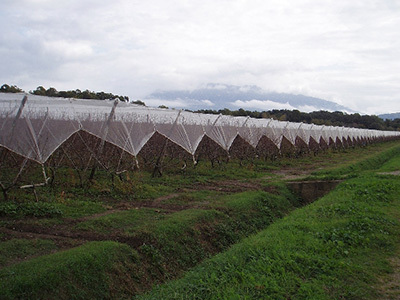
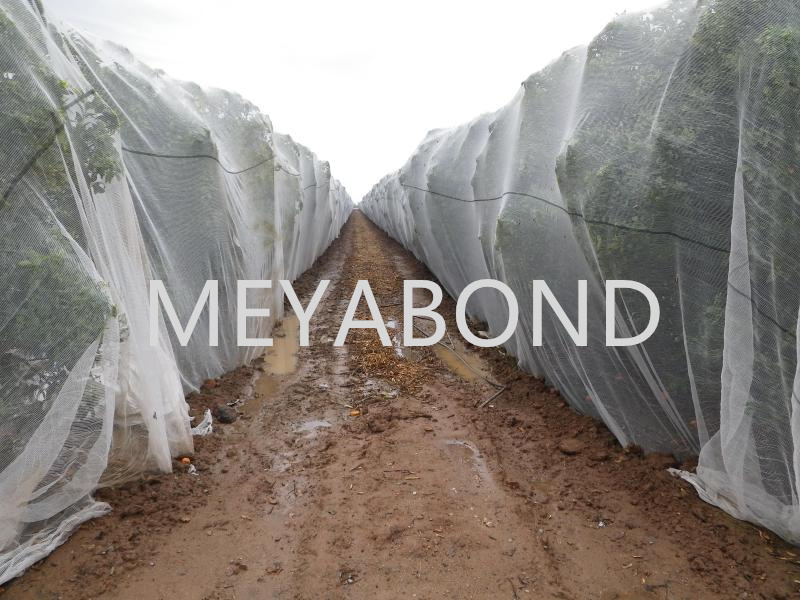
Plastic mesh, typically made from polyethylene or polypropylene, serves as a lightweight yet sturdy barrier against hail. When installed over crops or greenhouse structures, this mesh can absorb the force of falling hailstones, preventing them from directly striking the plants. This protective layer can significantly reduce the risk of physical damage, ensuring that your crops remain healthy and viable even after a hailstorm.
One of the key advantages of plastic mesh is its adaptability. It comes in various sizes and densities, allowing farmers to select the appropriate type for their specific crops and environmental conditions. Additionally, plastic mesh is UV-stabilized, meaning it won’t degrade quickly under the sun’s rays, providing long-lasting protection throughout the growing season.
Installation of plastic mesh for hail protection is relatively straightforward. Farmers can easily set up the mesh over their fields or greenhouses, either by using stakes or existing structures. The mesh can also be removed and stored during the off-season, making it a practical choice for many agricultural operations.
Moreover, plastic mesh not only protects against hail but can also offer benefits in terms of pest and wind protection. The fine openings can deter certain insects while still allowing sunlight and rain to reach the crops. This multifaceted functionality makes plastic mesh a valuable investment for farmers looking to enhance their crop management strategies.
It is essential to consider the specific needs of your crops when choosing a plastic mesh solution for hail protection. Factors such as the size of the hailstones common in your region, the type of crops being grown, and local weather patterns should all influence your selection. Consulting with agricultural experts can also provide insights into the optimal mesh type and installation methods for your unique situation.
In conclusion, utilizing plastic mesh for hail protection is a practical and effective strategy to safeguard your crops from hail damage. With its durability, adaptability, and additional benefits, plastic mesh is an investment that can enhance crop yields and maintain the financial health of your agricultural operations. By implementing this protective measure, you can ensure that your crops thrive, even in adverse weather conditions.
Plastic mesh, typically made from polyethylene or polypropylene, serves as a lightweight yet sturdy barrier against hail. When installed over crops or greenhouse structures, this mesh can absorb the force of falling hailstones, preventing them from directly striking the plants. This protective layer can significantly reduce the risk of physical damage, ensuring that your crops remain healthy and viable even after a hailstorm.
One of the key advantages of plastic mesh is its adaptability. It comes in various sizes and densities, allowing farmers to select the appropriate type for their specific crops and environmental conditions. Additionally, plastic mesh is UV-stabilized, meaning it won’t degrade quickly under the sun’s rays, providing long-lasting protection throughout the growing season.
Installation of plastic mesh for hail protection is relatively straightforward. Farmers can easily set up the mesh over their fields or greenhouses, either by using stakes or existing structures. The mesh can also be removed and stored during the off-season, making it a practical choice for many agricultural operations.
Moreover, plastic mesh not only protects against hail but can also offer benefits in terms of pest and wind protection. The fine openings can deter certain insects while still allowing sunlight and rain to reach the crops. This multifaceted functionality makes plastic mesh a valuable investment for farmers looking to enhance their crop management strategies.
It is essential to consider the specific needs of your crops when choosing a plastic mesh solution for hail protection. Factors such as the size of the hailstones common in your region, the type of crops being grown, and local weather patterns should all influence your selection. Consulting with agricultural experts can also provide insights into the optimal mesh type and installation methods for your unique situation.
In conclusion, utilizing plastic mesh for hail protection is a practical and effective strategy to safeguard your crops from hail damage. With its durability, adaptability, and additional benefits, plastic mesh is an investment that can enhance crop yields and maintain the financial health of your agricultural operations. By implementing this protective measure, you can ensure that your crops thrive, even in adverse weather conditions.
Key words:
Related News
CONTACT US
Email: sales8@meyabond.com
Tel: +8618911966213
No.3 Yard, ZhongHe Road, 100071,FengTai District, Beijing, China
Email: sales8@meyabond.com
Tel: +8618911966213
No.3 Yard, ZhongHe Road, 100071,FengTai District, Beijing, China
Meyabond Industry
You can trust.
Contact Us
Address:
No.3 Yard, ZhongHe Road, 100071,FengTai District, Beijing, China