


language
English
العربية
বাংলাদেশ
Български
Hrvatski
Česky
Dansk
Nederland
 Esperanto
Slovenski
Filipino
Suomi
Français
Maori
 Shqiptare
Georgian
 Euskara
Deutsch
Ελλάδα
ישראל
इंडिया
Magyarország
Ísland
Indonesia
Irlanda
Italia
日本語
Sovensko
Հայաստան
한국
Kyrgyz
ປະເທດລາວ
 Zulu
Zulu
Latvian
Lithuanian
Luxembourgish
 Latinus
Macedonian
Малайская
Maltese
Монгол улс
 Cymraeg
ဗမာ
 தமிழ்
தமிழ்
नेपाल
Norge
ایران
Polska
Portugal
România
Российская
Србија
 Slovak
Србија
 Slovak
Bosanski
Slovenian
Беларус
España
Sverige
Точик
ประเทศไทย
Türk
Azərbaycan
Uzbek
 Afrikaans
Việt Nam
The Cost-Effectiveness of Green Cover Nets in Agriculture: Maximizing Yields and Minimizing Costs
The Cost-Effectiveness of Green Cover Nets in Agriculture
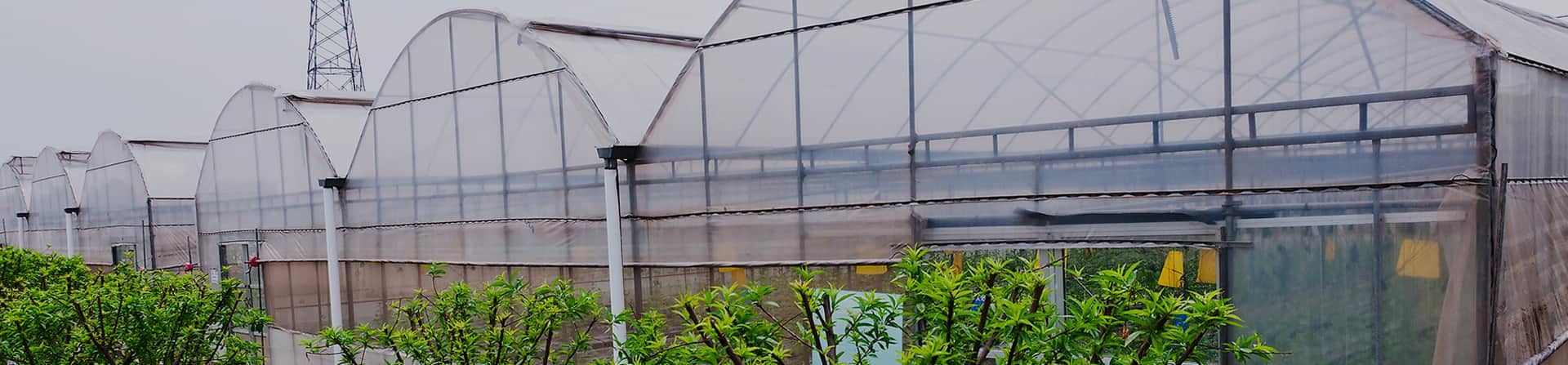
In today’s rapidly evolving agricultural landscape, farmers are continually searching for innovative solutions to enhance productivity and sustainability. One such solution is the use of **green cover nets**, which have gained popularity for their ability to improve crop yields while simultaneously minimizing costs. In this article, we will explore the numerous advantages of green cover nets, delve into their cost-effectiveness, and provide insights into how they can transform agricultural practices for the better.
Table of Contents
1. Introduction to Green Cover Nets in Agriculture
2. Benefits of Using Green Cover Nets
- 2.1 Enhancing Crop Yields
- 2.2 Natural Pest Control
- 2.3 Climate Control Advantages
3. Understanding the Cost-Effectiveness
- 3.1 Initial Investment Analysis
- 3.2 Long-Term Savings and Benefits
4. Real-World Examples and Case Studies
5. Installation and Maintenance of Green Cover Nets
6. Common Misconceptions About Green Cover Nets
7. The Future of Green Cover Nets in Agriculture
8. Conclusion
9. Frequently Asked Questions About Green Cover Nets
Introduction to Green Cover Nets in Agriculture
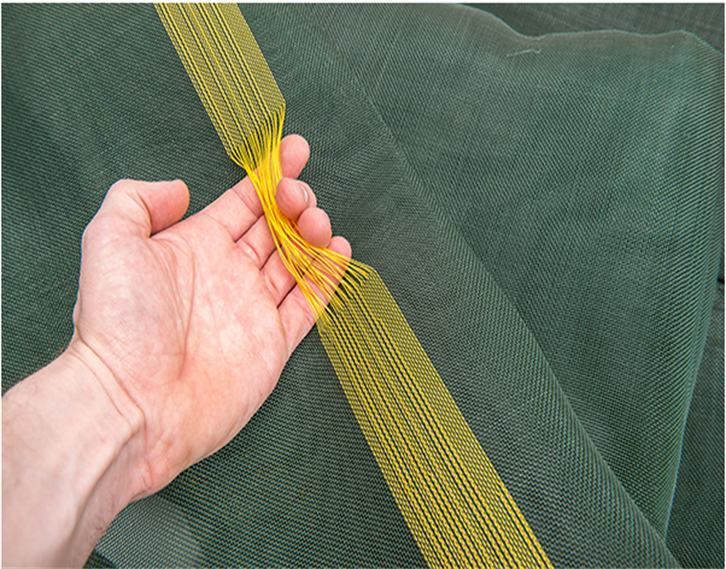
Green cover nets, often referred to as shade nets or agricultural nets, are specialized coverings made from high-density polyethylene (HDPE) designed to protect crops from various environmental factors. These nets come in different shades, densities, and configurations, allowing farmers to select the most suitable options for their specific crops and growing conditions. As global agricultural demands rise, the need for effective protective measures becomes increasingly important. This article will explore how green cover nets can be a game-changer in achieving both economic and environmental goals in modern agriculture.
Benefits of Using Green Cover Nets
Green cover nets offer a multitude of benefits that contribute to increased agricultural productivity. Below, we explore some of the most significant advantages.
Enhancing Crop Yields
One of the primary reasons farmers invest in green cover nets is their ability to **enhance crop yields**. By providing shade and reducing the intensity of sunlight, these nets help prevent sunburn on fruits and leaves, thus promoting healthier plant growth. Studies have shown that utilizing green cover nets can lead to a **20-30% increase in crop yields**. Not only do these nets shield crops from excessive heat, but they also help retain soil moisture, further supporting healthy growth.
Natural Pest Control
Green cover nets also serve as an effective barrier against pests. Many insects and birds that pose a threat to crops can be kept at bay with these nets. This **natural pest control** reduces the need for chemical pesticides, which not only cuts costs but also promotes more sustainable farming practices. By minimizing chemical usage, farmers can improve the overall quality of their produce, making it more appealing to health-conscious consumers.
Climate Control Advantages
The climate plays a significant role in agricultural success. Green cover nets help regulate temperature and humidity levels for crops, creating a more stable growing environment. By using these nets, farmers can mitigate the effects of harsh weather, such as sudden temperature fluctuations or heavy rainfall. This **climate control** feature helps ensure that crops are less stressed, thereby enhancing their overall health and productivity.
Understanding the Cost-Effectiveness
While the initial investment in green cover nets may seem significant, their long-term cost-effectiveness is undeniable. Below, we break down the financial considerations for farmers.
Initial Investment Analysis
The upfront cost of green cover nets can vary based on factors such as size, type, and installation requirements. Typically, farmers can expect to spend anywhere from $500 to $5,000 for the materials and setup, depending on the scale of their operation. However, when considering the potential return on investment, this initial expenditure often pays off quickly.
Long-Term Savings and Benefits
The long-term savings associated with green cover nets can be substantial. Reduced crop loss due to pest infestations, enhanced yields, and lower water usage contribute to overall cost reductions. According to research, farmers utilizing green cover nets can achieve a **return on investment (ROI)** of up to **400%** within the first few years of installation. Additionally, the reduction in pesticide and water usage further adds to the overall savings, making green cover nets an economically wise choice for the modern farmer.
Real-World Examples and Case Studies
To better understand the benefits and cost-effectiveness of green cover nets, let’s explore some real-world examples.
**Example 1: Tomato Farming in California**
A tomato farm in California implemented green cover nets and reported a **35% increase** in yield within the first year. The farmer also noted a significant reduction in pest-related crop losses, leading to a substantial decrease in pesticide costs.
**Example 2: Strawberry Production in Spain**
In Spain, a strawberry farm utilized shade nets to protect their crops from excessive heat. As a result, they experienced enhanced fruit quality and a **25% increase** in marketable yield. The farmer calculated that their investment in green cover nets resulted in an ROI of over **300%** within three years.
These examples illustrate the tangible benefits that green cover nets can offer to farmers, showcasing their potential for increased profitability and sustainability in agriculture.
Installation and Maintenance of Green Cover Nets
Proper installation and maintenance are crucial for maximizing the benefits of green cover nets. Here are some essential steps to consider:
**Installation**:
1. **Site Assessment**: Analyze the field to determine the best placement for the nets.
2. **Choosing the Right Net**: Select the appropriate net type based on the crops and local climate.
3. **Framework Construction**: Build a sturdy framework to support the nets, ensuring they are securely anchored to withstand wind and rain.
**Maintenance**:
1. **Regular Inspections**: Frequently check for tears, wear, or damage to ensure the nets remain effective.
2. **Cleaning**: Remove any debris or dirt from the nets to maintain optimal sunlight penetration and airflow.
3. **Seasonal Adjustments**: Adjust the positioning of the nets as needed for different crop stages or seasonal changes.
By following these steps, farmers can ensure that their green cover nets remain effective throughout the growing season.
Common Misconceptions About Green Cover Nets
There are several misconceptions surrounding green cover nets that may deter farmers from adopting this technology. Let’s address a few of the most common ones:
1. **High Initial Costs**: While the upfront investment can be substantial, the long-term savings and increased yields provide a compelling argument for adoption.
2. **Limited Applications**: Some farmers believe that green cover nets are only suitable for specific crops. In reality, they can be used for a wide range of fruits, vegetables, and ornamental plants.
3. **Complex Installation**: Installation may seem daunting, but with careful planning and execution, it can be done efficiently and effectively.
By dispelling these myths, we encourage more farmers to consider the advantages of green cover nets.
The Future of Green Cover Nets in Agriculture
As the agricultural industry continues to evolve, the use of green cover nets is expected to grow significantly. With increasing concerns about climate change, water scarcity, and the need for sustainable farming practices, these nets present a viable solution for enhancing crop resilience.
Moreover, advancements in net technology, such as UV protection and customizable shading options, will further improve their effectiveness and appeal to farmers. As more agricultural stakeholders recognize the economic and environmental benefits of green cover nets, their adoption will likely become a standard practice in modern farming.
Conclusion
In conclusion, green cover nets represent a critical innovation in the field of agriculture, offering farmers a cost-effective solution to enhance crop yields, reduce pest infestations, and manage climate conditions effectively. Despite the initial investment, the long-term benefits far outweigh the costs, making green cover nets a smart choice for farmers looking to improve their operations.
As the agriculture industry faces increasing challenges, adopting sustainable practices like using green cover nets will be essential for ensuring food security and profitability. By investing in this technology, farmers can not only protect their crops but also contribute to a more sustainable future for agriculture.
Frequently Asked Questions About Green Cover Nets
**1. What are green cover nets?**
Green cover nets are protective coverings made from high-density polyethylene designed to shield crops from environmental factors such as sunlight, pests, and harsh weather.
**2. How do green cover nets enhance crop yields?**
By providing shade and reducing sunlight intensity, green cover nets help prevent sunburn on plants, leading to healthier growth and increased yields.
**3. Are green cover nets a sustainable option for farming?**
Yes, green cover nets reduce the need for chemical pesticides and help conserve water, making them a sustainable choice for modern agriculture.
**4. What crops can benefit from green cover nets?**
Green cover nets can be used for a variety of crops, including fruits, vegetables, and ornamental plants.
**5. How do I maintain my green cover nets?**
Regular inspections, cleaning, and seasonal adjustments are essential for maintaining the effectiveness of green cover nets.
By understanding the benefits, costs, and practical applications of green cover nets, farmers can make informed decisions that enhance their productivity and sustainability in agriculture.
Key words:
Related News


CONTACT US
Email: sales8@meyabond.com
Tel: +8618911966213
No.3 Yard, ZhongHe Road, 100071,FengTai District, Beijing, China
Email: sales8@meyabond.com
Tel: +8618911966213
No.3 Yard, ZhongHe Road, 100071,FengTai District, Beijing, China
Meyabond Industry
You can trust.
Contact Us
Address:
No.3 Yard, ZhongHe Road, 100071,FengTai District, Beijing, China