


language
English
العربية
বাংলাদেশ
Български
Hrvatski
Česky
Dansk
Nederland
 Esperanto
Slovenski
Filipino
Suomi
Français
Maori
 Shqiptare
Georgian
 Euskara
Deutsch
Ελλάδα
ישראל
इंडिया
Magyarország
Ísland
Indonesia
Irlanda
Italia
日本語
Sovensko
Հայաստան
한국
Kyrgyz
ປະເທດລາວ
 Zulu
Zulu
Latvian
Lithuanian
Luxembourgish
 Latinus
Macedonian
Малайская
Maltese
Монгол улс
 Cymraeg
ဗမာ
 தமிழ்
தமிழ்
नेपाल
Norge
ایران
Polska
Portugal
România
Российская
Србија
 Slovak
Србија
 Slovak
Bosanski
Slovenian
Беларус
España
Sverige
Точик
ประเทศไทย
Türk
Azərbaycan
Uzbek
 Afrikaans
Việt Nam
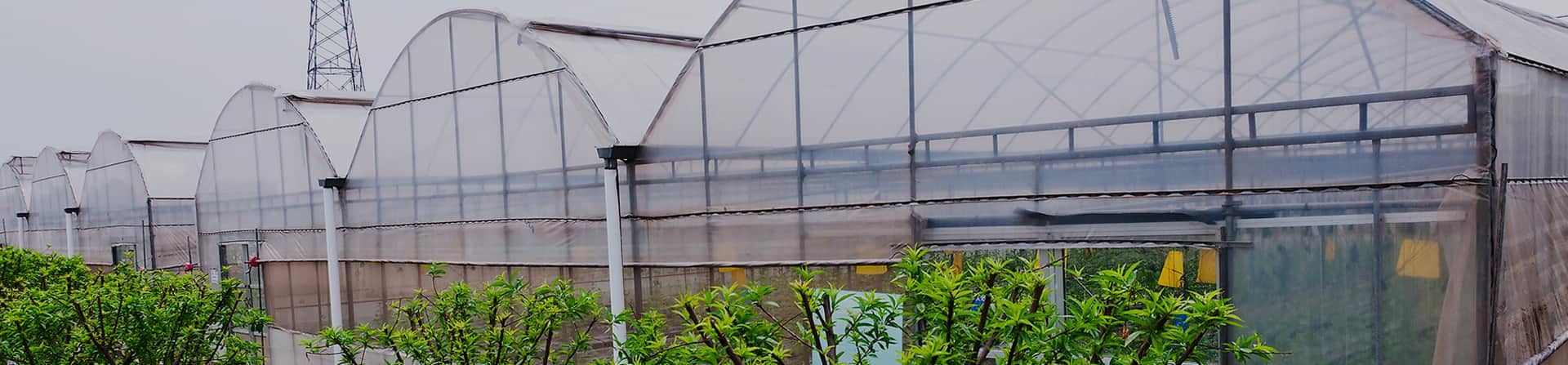
Maximizing Crop Protection: The Benefits of Anti Hail Nets in Agricultural Facilities
In the ever-evolving field of agriculture, the protection of crops from extreme weather events is paramount. One significant threat that farmers face is hail, which can devastate fields in mere minutes. Anti hail nets have emerged as an effective solution to mitigate this risk, providing a layer of protection that enhances crop resilience and ensures better yields.
Anti hail nets are specially designed mesh fabrics that are strategically installed over crops to shield them from hailstones. The use of these nets has become increasingly popular among farmers operating in regions prone to hailstorms. By implementing anti hail nets, farmers can significantly reduce the risk of crop damage, thereby safeguarding their investment and ensuring a more consistent production cycle.
One of the primary benefits of anti hail nets is their ability to minimize direct impact on crops. When hailstones hit the netting, the force is absorbed, reducing the likelihood of bruising or destruction of the plants beneath. This protective measure not only preserves the physical integrity of crops but also enhances their market value. Fruits and vegetables that have been shielded from hail damage are typically of higher quality, leading to better prices in the marketplace.
Moreover, anti hail nets offer additional advantages beyond hail protection. They can also provide shade for crops during intense sunlight, which can be particularly beneficial for delicate plants sensitive to heat. This dual functionality can lead to improved growth rates and yields, contributing to the overall profitability of agricultural operations. By incorporating anti hail nets into their facilities, farmers not only protect against hail but also optimize growing conditions for their crops.
It's also worth noting that the installation of anti hail nets can be relatively straightforward, depending on the scale of the agricultural operation. Farmers can choose from various configurations and materials to best suit their specific needs, ensuring that they find a solution that fits their budget and operational capabilities.
In addition to providing immediate protection, anti hail nets can also be a part of a long-term strategy for sustainability in agriculture. By reducing crop loss due to hail, farmers can contribute to a more stable food supply, which is increasingly important in the context of global climate change. As extreme weather events become more frequent, investing in protective measures like anti hail nets can be a proactive step towards future-proofing agricultural facilities.
In conclusion, anti hail nets are a vital investment for farmers looking to protect their crops from the destructive forces of nature. By incorporating these nets into their agricultural practices, farmers can enhance their productivity, ensure higher quality produce, and contribute to sustainable farming practices. As the threat of severe weather continues to grow, the adoption of such protective measures will play a crucial role in the future of agriculture.
Anti hail nets are specially designed mesh fabrics that are strategically installed over crops to shield them from hailstones. The use of these nets has become increasingly popular among farmers operating in regions prone to hailstorms. By implementing anti hail nets, farmers can significantly reduce the risk of crop damage, thereby safeguarding their investment and ensuring a more consistent production cycle.
One of the primary benefits of anti hail nets is their ability to minimize direct impact on crops. When hailstones hit the netting, the force is absorbed, reducing the likelihood of bruising or destruction of the plants beneath. This protective measure not only preserves the physical integrity of crops but also enhances their market value. Fruits and vegetables that have been shielded from hail damage are typically of higher quality, leading to better prices in the marketplace.
Moreover, anti hail nets offer additional advantages beyond hail protection. They can also provide shade for crops during intense sunlight, which can be particularly beneficial for delicate plants sensitive to heat. This dual functionality can lead to improved growth rates and yields, contributing to the overall profitability of agricultural operations. By incorporating anti hail nets into their facilities, farmers not only protect against hail but also optimize growing conditions for their crops.
It's also worth noting that the installation of anti hail nets can be relatively straightforward, depending on the scale of the agricultural operation. Farmers can choose from various configurations and materials to best suit their specific needs, ensuring that they find a solution that fits their budget and operational capabilities.
In addition to providing immediate protection, anti hail nets can also be a part of a long-term strategy for sustainability in agriculture. By reducing crop loss due to hail, farmers can contribute to a more stable food supply, which is increasingly important in the context of global climate change. As extreme weather events become more frequent, investing in protective measures like anti hail nets can be a proactive step towards future-proofing agricultural facilities.
In conclusion, anti hail nets are a vital investment for farmers looking to protect their crops from the destructive forces of nature. By incorporating these nets into their agricultural practices, farmers can enhance their productivity, ensure higher quality produce, and contribute to sustainable farming practices. As the threat of severe weather continues to grow, the adoption of such protective measures will play a crucial role in the future of agriculture.
Key words:
Related News


CONTACT US
Email: sales8@meyabond.com
Tel: +8618911966213
No.3 Yard, ZhongHe Road, 100071,FengTai District, Beijing, China
Email: sales8@meyabond.com
Tel: +8618911966213
No.3 Yard, ZhongHe Road, 100071,FengTai District, Beijing, China
Meyabond Industry
You can trust.
Contact Us
Address:
No.3 Yard, ZhongHe Road, 100071,FengTai District, Beijing, China