


 Esperanto
 Shqiptare
 Euskara
 Zulu
Zulu
 Latinus
 Cymraeg
 தமிழ்
தமிழ்
 Slovak
 Slovak
 Afrikaans
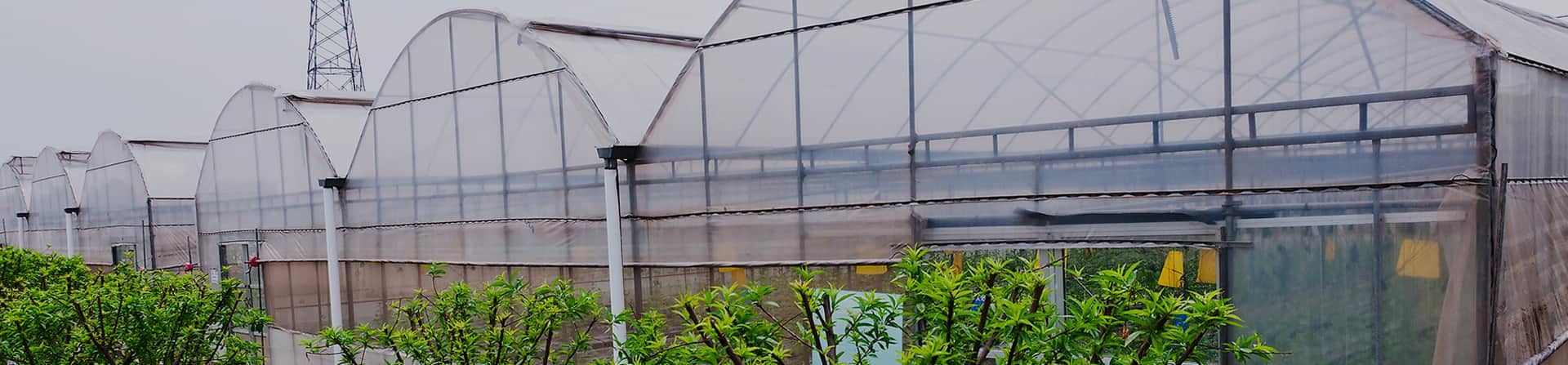
How Anti Insect Nets Can Enhance Your Greenhouse Environment
How Anti Insect Nets Can Enhance Your Greenhouse Environment
In the realm of modern agriculture, the need for innovative solutions to combat pests and ensure optimal crop growth is paramount. One such solution that has gained significant traction is the use of anti-insect nets in greenhouse environments. These specialized nets not only provide a physical barrier against various pests but also enhance the overall growing conditions for plants. In this comprehensive article, we will explore the myriad ways in which anti-insect nets can elevate your greenhouse environment, ensuring healthier crops and improved yield.
Table of Contents
- 1. Benefits of Anti-Insect Nets
- 2. How Anti-Insect Nets Work
- 3. Installing Anti-Insect Nets in Your Greenhouse
- 4. Maintenance of Anti-Insect Nets
- 5. Choosing the Right Anti-Insect Net for Your Greenhouse
- 6. Case Studies: Success Stories with Anti-Insect Nets
- 7. Environmental Impact of Using Anti-Insect Nets
- 8. Frequently Asked Questions
- 9. Conclusion
1. Benefits of Anti-Insect Nets
Implementing anti-insect nets in your greenhouse can yield numerous benefits that significantly impact your farming practices and crop productivity. Below are some key advantages:
1.1 Pest Control Without Chemicals
One of the most significant benefits of using anti-insect nets is their ability to provide effective pest control without relying on chemical pesticides. This not only protects beneficial insects but also ensures that the produce remains organic and safe for consumption. By creating a physical barrier, these nets effectively keep harmful pests at bay, reducing the need for chemical interventions.
1.2 Enhanced Crop Health and Yield
By limiting pest exposure, anti-insect nets contribute to healthier plants, which in turn leads to increased yields. Healthy plants are less stressed and can focus their energy on growth and fruit production. Additionally, the microclimate created within the greenhouse is more stable, which benefits plant development.
1.3 Improved Pollination
Anti-insect nets can also facilitate better pollination. While they keep pests out, they allow beneficial pollinators like bees to enter the greenhouse, ensuring that plants receive the necessary attention for fruit and seed production. The controlled environment encourages a balanced ecosystem that supports both plant and pollinator health.
1.4 Reduced Labor Costs
With effective pest management through anti-insect nets, growers can reduce labor costs associated with pest control measures. The time spent monitoring and applying chemical treatments is significantly diminished, freeing up resources for other essential tasks.
2. How Anti-Insect Nets Work
Anti-insect nets are designed with specific features that make them effective in protecting crops from harmful pests.
2.1 Mesh Size and Material
The mesh size of the nets is crucial. A smaller mesh size blocks out even the tiniest pests, while allowing air and light to permeate. Typically made from durable materials like polyethylene, these nets are resistant to UV rays, ensuring longevity and consistent performance. The transparency of the nets allows adequate sunlight to reach the crops, promoting healthy photosynthesis.
2.2 Installation Techniques
Proper installation is vital for the effectiveness of anti-insect nets. They can be fitted over greenhouse frames or used as standalone structures. The nets must be securely anchored to prevent pests from entering through gaps. This entails careful measurement and installation techniques that ensure complete coverage.
3. Installing Anti-Insect Nets in Your Greenhouse
Installing anti-insect nets requires careful planning and execution. Here’s a step-by-step guide to effectively set up these protective barriers:
3.1 Assessing Your Greenhouse Structure
Before installation, assess the dimensions and layout of your greenhouse. Knowing the size will help you determine how much netting is required. Measure the dimensions of windows, doors, and any other openings where pests might enter.
3.2 Selecting the Right Netting
Choose the appropriate mesh size based on the types of pests prevalent in your area. For instance, if you are dealing primarily with aphids and whiteflies, a finer mesh is necessary. Ensure that the material is durable and UV-resistant for long-term use.
3.3 Installation Process
- Prepare the greenhouse structure by cleaning and removing any pests or debris.
- Begin by attaching the netting to the top frame, ensuring that it is taut.
- Secure the netting along the sides and at the base to prevent any openings.
- If applicable, create entrances for human access that can be easily closed when not in use.
- Inspect the installation for any gaps or breaches and address them immediately.
4. Maintenance of Anti-Insect Nets
To ensure the longevity and effectiveness of anti-insect nets, regular maintenance is essential. Here are some maintenance tips:
4.1 Regular Inspections
Conduct regular checks for tears, holes, or signs of wear. Early detection of damage allows for prompt repairs, ensuring that pests cannot infiltrate your greenhouse.
4.2 Cleaning the Nets
Dust and debris can accumulate on the nets, blocking sunlight. Gently clean the nets with water and a soft brush to remove any buildup without damaging the material.
4.3 Seasonal Adjustments
Depending on the season, you may need to adjust the netting. For example, during the summer months, ensure that the nets are adequately secured to withstand strong winds. In winter, consider removing or adjusting the nets to allow for maximum sunlight exposure if temperatures permit.
5. Choosing the Right Anti-Insect Net for Your Greenhouse
Selecting the right anti-insect net involves several considerations. Here’s what you need to keep in mind:
5.1 Understanding Pest Types
Identify the primary pests that pose a threat to your crops. Common pests include aphids, spider mites, and caterpillars. Understanding their sizes will help you choose the appropriate mesh size.
5.2 Evaluating Environmental Conditions
Consider the specific environmental conditions of your greenhouse. Factors such as humidity, temperature, and plant types can influence your choice of netting material and mesh size.
5.3 Budget Considerations
While it’s vital to invest in quality nets, consider your budget constraints. Higher quality nets may come with a higher initial cost but often yield better long-term results.
6. Case Studies: Success Stories with Anti-Insect Nets
Examining real-world applications of anti-insect nets can provide invaluable insights into their effectiveness. Here are a couple of notable case studies:
6.1 Case Study 1: Tomato Production
A greenhouse specializing in tomato production implemented anti-insect nets and reported a 30% increase in yield. The nets effectively kept aphids and whiteflies at bay, resulting in healthier plants and a significant reduction in pesticide use.
6.2 Case Study 2: Organic Vegetables
An organic vegetable farm adopted anti-insect nets and noted a marked improvement in crop quality. The growers observed that their produce was not only pest-free but also exhibited enhanced flavor profiles, making them more appealing to consumers.
7. Environmental Impact of Using Anti-Insect Nets
The environmental benefits of anti-insect nets extend beyond pest control. Here are some key points:
7.1 Reduction in Chemical Pesticides
By limiting the need for chemical pesticides, anti-insect nets contribute to a healthier ecosystem. This reduction promotes biodiversity, allowing beneficial insects to thrive alongside crops.
7.2 Water Conservation
With a stable microclimate created by anti-insect nets, water evaporation rates are reduced. This can lead to significant water savings, making greenhouse operations more sustainable.
7.3 Carbon Footprint Reduction
The decreased reliance on chemical applications results in a lower carbon footprint for agricultural operations. This aligns with global efforts to combat climate change and promote sustainable farming practices.
8. Frequently Asked Questions
8.1 What types of pests can anti-insect nets protect against?
Anti-insect nets can protect against a wide range of pests, including aphids, whiteflies, spider mites, and beetles, depending on the mesh size.
8.2 How long do anti-insect nets last?
Quality anti-insect nets can last several years, particularly if maintained properly. Regular inspections and cleaning are essential for longevity.
8.3 Can I use anti-insect nets with other pest control methods?
Yes, anti-insect nets can be used in conjunction with other pest control strategies, such as biological control, to enhance overall effectiveness.
8.4 Are anti-insect nets easy to install?
With proper planning and the right tools, anti-insect nets are relatively easy to install. Following manufacturer guidelines can simplify the installation process.
8.5 Do anti-insect nets affect sunlight exposure for plants?
No, anti-insect nets are designed to allow adequate sunlight penetration, ensuring that plants receive the necessary light for healthy growth.
9. Conclusion
In conclusion, anti-insect nets are a vital addition to modern greenhouse management, providing effective pest control while enhancing crop health and yield. By understanding the benefits, installation techniques, and maintenance requirements, growers can optimize their greenhouse environment and contribute to sustainable agricultural practices. As the agricultural sector continues to evolve, the adoption of innovative solutions like anti-insect nets will be crucial in ensuring that we meet the growing food demands of our world while preserving our ecosystems. By embracing this technology, we can create a brighter and more sustainable future for agriculture.
Key words:
Related News
02-26

CONTACT US
Email: sales8@meyabond.com
Tel: +8618911966213
No.3 Yard, ZhongHe Road, 100071,FengTai District, Beijing, China
Email: sales8@meyabond.com
Tel: +8618911966213
No.3 Yard, ZhongHe Road, 100071,FengTai District, Beijing, China
Meyabond Industry
You can trust.
Contact Us
Address:
No.3 Yard, ZhongHe Road, 100071,FengTai District, Beijing, China