


language
English
العربية
বাংলাদেশ
Български
Hrvatski
Česky
Dansk
Nederland
 Esperanto
Slovenski
Filipino
Suomi
Français
Maori
 Shqiptare
Georgian
 Euskara
Deutsch
Ελλάδα
ישראל
इंडिया
Magyarország
Ísland
Indonesia
Irlanda
Italia
日本語
Sovensko
Հայաստան
한국
Kyrgyz
ປະເທດລາວ
 Zulu
Zulu
Latvian
Lithuanian
Luxembourgish
 Latinus
Macedonian
Малайская
Maltese
Монгол улс
 Cymraeg
ဗမာ
 தமிழ்
தமிழ்
नेपाल
Norge
ایران
Polska
Portugal
România
Российская
Србија
 Slovak
Србија
 Slovak
Bosanski
Slovenian
Беларус
España
Sverige
Точик
ประเทศไทย
Türk
Azərbaycan
Uzbek
 Afrikaans
Việt Nam
Maximizing Crop Protection with Thrip Netting: A Comprehensive Guide
---
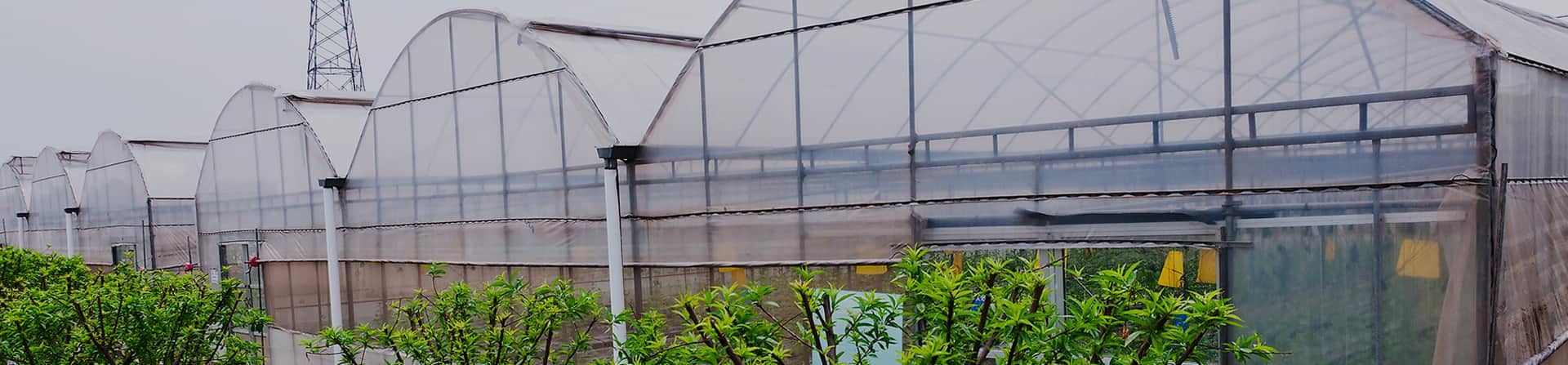
Thrip netting has emerged as a vital tool in the realm of agricultural pest management, particularly for those engaged in controlled environment farming. This specialized type of insect netting is designed to keep pests, including thrips, away from crops without hindering air circulation or sunlight exposure. Thrips are tiny insects that can cause significant damage to various plants by feeding on their leaves and flowers, leading to reduced yields and compromised quality. Therefore, using thrip netting is an effective strategy to create a protective barrier, ensuring that your crops thrive.
One of the primary advantages of thrip netting is its fine mesh structure, which is specifically engineered to block not only thrips but also other small pests. Unlike broader types of netting, which may allow certain insects to pass through, thrip netting's tightly woven fabric provides an almost impenetrable barrier. This quality is particularly beneficial for high-value crops, such as fruits and vegetables, which are often targets for pest infestations.
In addition to pest exclusion, thrip netting contributes significantly to maintaining a balanced microclimate within the growing area. The material allows for adequate airflow, which helps regulate temperature and humidity levels. This aspect is crucial for fostering a conducive environment for plant growth, reducing the likelihood of fungal diseases that can arise in overly humid conditions. Consequently, implementing thrip netting not only protects your crops from pests but also supports their overall health and productivity.
When considering the installation of thrip netting, it is essential to ensure proper fitting and sealing. Gaps or openings in the netting can provide entry points for pests, undermining the effectiveness of your pest management strategies. To maximize the benefits, the netting should be securely attached to the growing structure, whether it be a greenhouse or outdoor setup. Regular inspections are also recommended to identify and address any wear or tear that may occur over time.
Furthermore, the use of thrip netting can complement integrated pest management (IPM) practices. By combining physical barriers with biological controls and cultural practices, growers can create a holistic approach to pest management. This synergy not only enhances crop protection but also reduces the reliance on chemical pesticides, promoting a more sustainable and environmentally friendly farming method.
In conclusion, thrip netting serves as an essential component for growers looking to protect their crops from pests like thrips. Its fine mesh design offers both protection and environmental benefits, making it a smart investment for sustainable agricultural practices. When installed correctly and used in conjunction with other pest management strategies, thrip netting can significantly improve crop yields and quality, leading to a more successful farming operation.
Thrip netting has emerged as a vital tool in the realm of agricultural pest management, particularly for those engaged in controlled environment farming. This specialized type of insect netting is designed to keep pests, including thrips, away from crops without hindering air circulation or sunlight exposure. Thrips are tiny insects that can cause significant damage to various plants by feeding on their leaves and flowers, leading to reduced yields and compromised quality. Therefore, using thrip netting is an effective strategy to create a protective barrier, ensuring that your crops thrive.
One of the primary advantages of thrip netting is its fine mesh structure, which is specifically engineered to block not only thrips but also other small pests. Unlike broader types of netting, which may allow certain insects to pass through, thrip netting's tightly woven fabric provides an almost impenetrable barrier. This quality is particularly beneficial for high-value crops, such as fruits and vegetables, which are often targets for pest infestations.
In addition to pest exclusion, thrip netting contributes significantly to maintaining a balanced microclimate within the growing area. The material allows for adequate airflow, which helps regulate temperature and humidity levels. This aspect is crucial for fostering a conducive environment for plant growth, reducing the likelihood of fungal diseases that can arise in overly humid conditions. Consequently, implementing thrip netting not only protects your crops from pests but also supports their overall health and productivity.
When considering the installation of thrip netting, it is essential to ensure proper fitting and sealing. Gaps or openings in the netting can provide entry points for pests, undermining the effectiveness of your pest management strategies. To maximize the benefits, the netting should be securely attached to the growing structure, whether it be a greenhouse or outdoor setup. Regular inspections are also recommended to identify and address any wear or tear that may occur over time.
Furthermore, the use of thrip netting can complement integrated pest management (IPM) practices. By combining physical barriers with biological controls and cultural practices, growers can create a holistic approach to pest management. This synergy not only enhances crop protection but also reduces the reliance on chemical pesticides, promoting a more sustainable and environmentally friendly farming method.
In conclusion, thrip netting serves as an essential component for growers looking to protect their crops from pests like thrips. Its fine mesh design offers both protection and environmental benefits, making it a smart investment for sustainable agricultural practices. When installed correctly and used in conjunction with other pest management strategies, thrip netting can significantly improve crop yields and quality, leading to a more successful farming operation.
Key words:
Related News
02-26
CONTACT US
Email: sales8@meyabond.com
Tel: +8618911966213
No.3 Yard, ZhongHe Road, 100071,FengTai District, Beijing, China
Email: sales8@meyabond.com
Tel: +8618911966213
No.3 Yard, ZhongHe Road, 100071,FengTai District, Beijing, China
Meyabond Industry
You can trust.
Contact Us
Address:
No.3 Yard, ZhongHe Road, 100071,FengTai District, Beijing, China