


language
English
العربية
বাংলাদেশ
Български
Hrvatski
Česky
Dansk
Nederland
 Esperanto
Slovenski
Filipino
Suomi
Français
Maori
 Shqiptare
Georgian
 Euskara
Deutsch
Ελλάδα
ישראל
इंडिया
Magyarország
Ísland
Indonesia
Irlanda
Italia
日本語
Sovensko
Հայաստան
한국
Kyrgyz
ປະເທດລາວ
 Zulu
Zulu
Latvian
Lithuanian
Luxembourgish
 Latinus
Macedonian
Малайская
Maltese
Монгол улс
 Cymraeg
ဗမာ
 தமிழ்
தமிழ்
नेपाल
Norge
ایران
Polska
Portugal
România
Российская
Србија
 Slovak
Србија
 Slovak
Bosanski
Slovenian
Беларус
España
Sverige
Точик
ประเทศไทย
Türk
Azərbaycan
Uzbek
 Afrikaans
Việt Nam
Ultimate Guide to Insect Proof Nets: Protect Your Crops Effectively
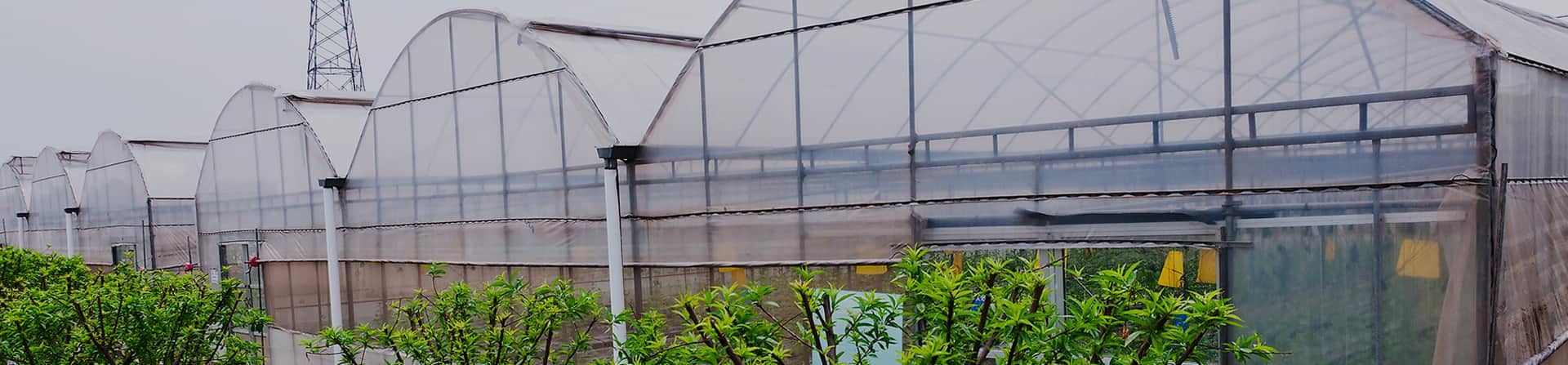
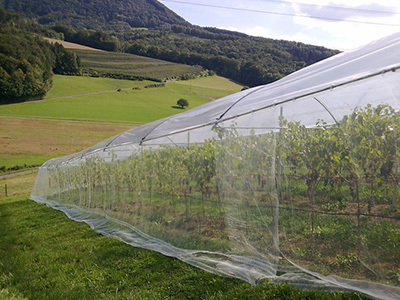
Insect proof nets are a vital component in modern agricultural practices, especially in the realm of facility agriculture. These specialized nets are designed to create a barrier between crops and harmful insects, helping to protect plants from a range of pests that can cause significant damage. By using insect proof nets, farmers and gardeners can ensure the health of their crops while minimizing the need for chemical pesticides.
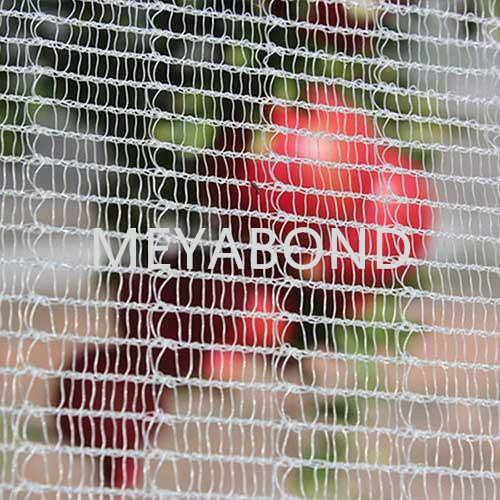
One of the primary benefits of insect proof nets is their ability to reduce the risk of pest infestations. Insects such as aphids, whiteflies, and beetles can wreak havoc on young plants, leading to stunted growth and decreased yields. By covering crops with insect proof nets, growers create an environment that is inhospitable to these pests, effectively keeping them away from the plants. This not only protects the crops but also helps maintain the integrity of the surrounding ecosystem.
Insect proof nets come in various sizes and mesh densities, allowing for flexibility in their application. The choice of netting depends on the specific type of crops being grown and the particular pests that are prevalent in the area. For example, finer mesh nets can block smaller insects, while coarser nets may be sufficient for larger pests. It is crucial to select the appropriate type of netting to ensure optimal protection.
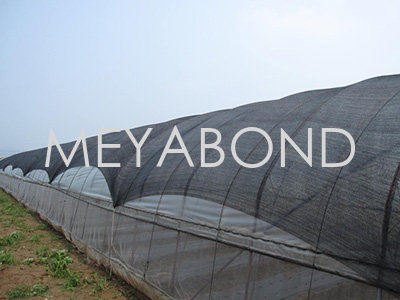
Another advantage of using insect proof nets is that they allow for air and light penetration, which are essential for plant growth. Unlike solid barriers, these nets do not impede the natural processes of photosynthesis and respiration. This creates a favorable microclimate for the plants, promoting healthy development while warding off pests. Furthermore, insect proof nets can also help protect crops from adverse weather conditions, such as hail or excessive sunlight, further enhancing their overall resilience.
Using insect proof nets can also contribute to sustainable farming practices. By reducing the reliance on chemical pesticides, farmers can lower their impact on the environment and promote healthier ecosystems. This aligns with the growing demand for organic and sustainably grown produce, appealing to a broader market of environmentally conscious consumers.
In conclusion, insect proof nets are an invaluable tool in the agricultural toolkit. They offer effective protection against pests while supporting healthy crop growth and sustainable practices. By investing in high-quality insect proof nets, growers can enhance their yields, minimize losses, and contribute to a more sustainable agricultural future. Whether you are a seasoned farmer or just starting, incorporating insect proof nets into your agricultural strategy can lead to significantly improved outcomes for your crops.
One of the primary benefits of insect proof nets is their ability to reduce the risk of pest infestations. Insects such as aphids, whiteflies, and beetles can wreak havoc on young plants, leading to stunted growth and decreased yields. By covering crops with insect proof nets, growers create an environment that is inhospitable to these pests, effectively keeping them away from the plants. This not only protects the crops but also helps maintain the integrity of the surrounding ecosystem.
Insect proof nets come in various sizes and mesh densities, allowing for flexibility in their application. The choice of netting depends on the specific type of crops being grown and the particular pests that are prevalent in the area. For example, finer mesh nets can block smaller insects, while coarser nets may be sufficient for larger pests. It is crucial to select the appropriate type of netting to ensure optimal protection.
Another advantage of using insect proof nets is that they allow for air and light penetration, which are essential for plant growth. Unlike solid barriers, these nets do not impede the natural processes of photosynthesis and respiration. This creates a favorable microclimate for the plants, promoting healthy development while warding off pests. Furthermore, insect proof nets can also help protect crops from adverse weather conditions, such as hail or excessive sunlight, further enhancing their overall resilience.
Using insect proof nets can also contribute to sustainable farming practices. By reducing the reliance on chemical pesticides, farmers can lower their impact on the environment and promote healthier ecosystems. This aligns with the growing demand for organic and sustainably grown produce, appealing to a broader market of environmentally conscious consumers.
In conclusion, insect proof nets are an invaluable tool in the agricultural toolkit. They offer effective protection against pests while supporting healthy crop growth and sustainable practices. By investing in high-quality insect proof nets, growers can enhance their yields, minimize losses, and contribute to a more sustainable agricultural future. Whether you are a seasoned farmer or just starting, incorporating insect proof nets into your agricultural strategy can lead to significantly improved outcomes for your crops.
Key words:
Related News
02-28
Keywords:
CONTACT US
Email: sales8@meyabond.com
Tel: +8618911966213
No.3 Yard, ZhongHe Road, 100071,FengTai District, Beijing, China
Email: sales8@meyabond.com
Tel: +8618911966213
No.3 Yard, ZhongHe Road, 100071,FengTai District, Beijing, China
Meyabond Industry
You can trust.
Contact Us
Address:
No.3 Yard, ZhongHe Road, 100071,FengTai District, Beijing, China