


 Esperanto
 Shqiptare
 Euskara
 Zulu
Zulu
 Latinus
 Cymraeg
 தமிழ்
தமிழ்
 Slovak
 Slovak
 Afrikaans
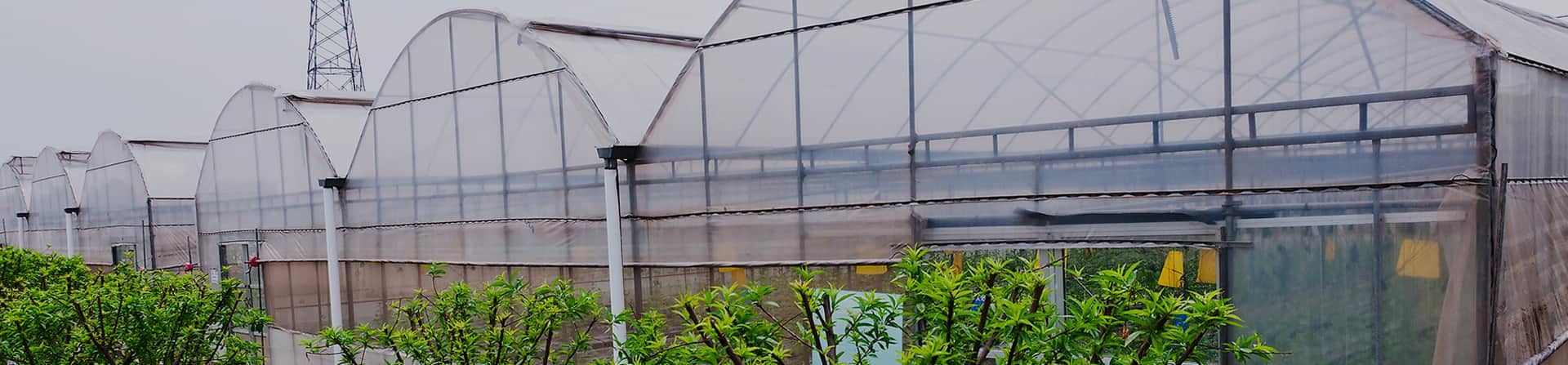
Effective Pest Control: How Anti Insect Nets Can Safeguard Your Greenhouse
Effective Pest Control: How Anti Insect Nets Can Safeguard Your Greenhouse
In the world of agriculture, ensuring healthy crop production is paramount. One of the challenges that greenhouse owners face is pest infestation, which can severely hinder the growth and quality of plants. Effective pest control is essential, and utilizing anti-insect nets represents a sustainable and efficient solution. In this article, we will delve into how these nets can safeguard your greenhouse while exploring their various types, benefits, installation methods, and maintenance practices.
The Importance of Pest Control in Greenhouses
Pest control is a critical aspect of greenhouse management. Without proper measures, pests can lead to significant crop damage, resulting in economic losses and reduced yields. Some common greenhouse pests include aphids, whiteflies, thrips, and spider mites. These pests can reproduce rapidly, making it essential to implement immediate and effective control strategies.
Understanding the Role of Anti Insect Nets
Anti-insect nets serve as a physical barrier, preventing pests from entering the greenhouse while allowing sunlight, air, and rain to nourish plants. These nets are designed to cover openings, such as vents and doors, providing an eco-friendly alternative to chemical pesticides. By utilizing these nets, greenhouse owners can create a conducive environment for plant growth while minimizing the risk of pest infestations.
Types of Anti Insect Nets
Choosing the right type of anti-insect net is crucial for effective pest control. Various nets are available, each designed to target specific pests and optimize plant protection.
1. Fine Mesh Nets
Fine mesh nets feature small openings that effectively block tiny pests while allowing beneficial insects and pollinators to enter. These nets are particularly useful for crops that require pollination. They provide a balanced ecosystem within the greenhouse.
2. Medium Mesh Nets
Medium mesh nets are designed to block a wider range of pests, including larger insects like beetles and some moths. These nets offer robust protection while still permitting airflow, essential for maintaining optimal greenhouse temperatures.
3. UV Stabilized Nets
UV stabilized nets are engineered to resist sun damage, prolonging their lifespan. These nets maintain their strength and efficacy against pests over time, making them a wise investment for long-term greenhouse protection.
4. Shade Nets
Shade nets serve a dual purpose by providing shade for heat-sensitive crops while also acting as a barrier against pests. These nets reduce the risk of overheating in the greenhouse, contributing to plant health.
Benefits of Using Anti Insect Nets
There are numerous advantages to implementing anti-insect nets in your greenhouse. Let’s explore some of the most significant benefits:
1. Chemical-Free Pest Control
Utilizing anti-insect nets eliminates the need for chemical pesticides, making your greenhouse a safer environment for both workers and consumers. This organic approach promotes sustainable agriculture and enhances the quality of your produce.
2. Protection of Beneficial Insects
By using anti-insect nets, you can safeguard beneficial insects that help maintain a balanced ecosystem within your greenhouse. These nets allow pollinators and predatory insects to thrive while keeping harmful pests at bay.
3. Cost-Effective Solution
Investing in anti-insect nets can be cost-effective in the long run. By reducing the reliance on pesticides and minimizing crop losses due to pest damage, greenhouse owners can save money while promoting healthier plants.
4. Improved Crop Quality
With pests effectively managed, plants can focus their energy on growth and development, resulting in higher quality produce. Healthier plants are more resilient to diseases and environmental stressors, leading to increased yields.
Installation of Anti Insect Nets
Proper installation of anti-insect nets is crucial for maximizing their effectiveness in pest control. Here are some steps to guide you through the installation process:
1. Assess Your Greenhouse Layout
Evaluate the entrances, vents, and any potential openings where pests could enter. A thorough assessment will help you determine the areas that require netting.
2. Choose the Right Size and Type of Net
Select anti-insect nets that fit your specific needs. Consider the dimensions of your greenhouse and the types of pests you are likely to encounter.
3. Secure the Nets Properly
Ensure that the nets are securely fastened around openings. Use clips, ties, or other fastening methods to prevent gaps where pests could enter. This step is vital for maintaining the integrity of your pest control measures.
4. Regularly Inspect the Nets
Routine inspections will help identify any wear or tear that could compromise the nets’ effectiveness. Address any issues immediately to maintain optimal pest protection.
Maintenance Tips for Anti Insect Nets
Maintaining anti-insect nets ensures their longevity and effectiveness. Here are some tips to keep your nets in top condition:
1. Clean Regularly
Debris, dust, and residues can accumulate on the nets, affecting their performance. Regular cleaning with a mild detergent and water can help maintain their clarity and functionality.
2. Monitor for Damage
Check for holes, tears, or signs of wear regularly. Prompt repairs will prevent pests from entering through damaged areas.
3. Seasonal Adjustments
Depending on the season, you may need to adjust your netting to accommodate different pests or environmental conditions. Be prepared to adapt your approach as needed.
Challenges and Considerations
While anti-insect nets are an effective tool for pest control, there are challenges to consider. Understanding these can help you devise a more comprehensive pest management strategy.
1. Initial Costs
The initial investment in high-quality anti-insect nets can be significant. However, considering the long-term benefits and cost savings, this investment often pays off.
2. Potential for Heat Buildup
Some nets may limit airflow, leading to increased temperatures within the greenhouse. It’s essential to choose the right type of net and monitor environmental conditions to avoid overheating.
3. Maintenance Requirements
Regular maintenance is required to ensure the effectiveness of anti-insect nets. Being proactive about inspections and repairs is vital for successful pest management.
FAQs About Anti Insect Nets
1. How do anti-insect nets work for pest control?
Anti-insect nets create a physical barrier that prevents pests from entering the greenhouse while allowing light, air, and rain to nourish the plants.
2. Are anti-insect nets effective against all types of pests?
While they are effective against many pests, the type of net you choose will determine the range of pests it can block. Fine mesh nets are best for smaller pests, while medium mesh nets can block larger insects.
3. Can I use anti-insect nets in combination with other pest control methods?
Yes, integrating anti-insect nets with other organic pest control methods can enhance your overall strategy for managing pests effectively.
4. How long do anti-insect nets last?
With proper maintenance and UV stabilization, high-quality nets can last several years, providing ongoing pest protection.
5. Are there specific crops that benefit most from the use of anti-insect nets?
Most crops can benefit from anti-insect nets, especially those susceptible to pest damage. However, crops that require pollination may require fine mesh nets to facilitate beneficial insects.
Conclusion
Effective pest control is essential for the success of any greenhouse operation. Anti-insect nets offer a sustainable, chemical-free solution to safeguard your crops against pests. By understanding the various types of nets available, the benefits they provide, and how to properly install and maintain them, greenhouse owners can create a thriving environment for their plants. In an era where sustainable agriculture is paramount, implementing anti-insect nets represents a proactive step toward achieving healthier crops and maximizing yields. Investing in these nets not only ensures the protection of your plants but also contributes to a more environmentally friendly approach to farming.
Key words:
Related News
02-28
Keywords:
CONTACT US
Email: sales8@meyabond.com
Tel: +8618911966213
No.3 Yard, ZhongHe Road, 100071,FengTai District, Beijing, China
Email: sales6@meyabond.com
Tel: +8618911963856
No.3 Yard, ZhongHe Road, 100071,FengTai District, Beijing, China
Meyabond Industry
You can trust.
Contact Us
Address:
No.3 Yard, ZhongHe Road, 100071,FengTai District, Beijing, China