


language
English
العربية
বাংলাদেশ
Български
Hrvatski
Česky
Dansk
Nederland
 Esperanto
Slovenski
Filipino
Suomi
Français
Maori
 Shqiptare
Georgian
 Euskara
Deutsch
Ελλάδα
ישראל
इंडिया
Magyarország
Ísland
Indonesia
Irlanda
Italia
日本語
Sovensko
Հայաստան
한국
Kyrgyz
ປະເທດລາວ
 Zulu
Zulu
Latvian
Lithuanian
Luxembourgish
 Latinus
Macedonian
Малайская
Maltese
Монгол улс
 Cymraeg
ဗမာ
 தமிழ்
தமிழ்
नेपाल
Norge
ایران
Polska
Portugal
România
Российская
Србија
 Slovak
Србија
 Slovak
Bosanski
Slovenian
Беларус
España
Sverige
Точик
ประเทศไทย
Türk
Azərbaycan
Uzbek
 Afrikaans
Việt Nam
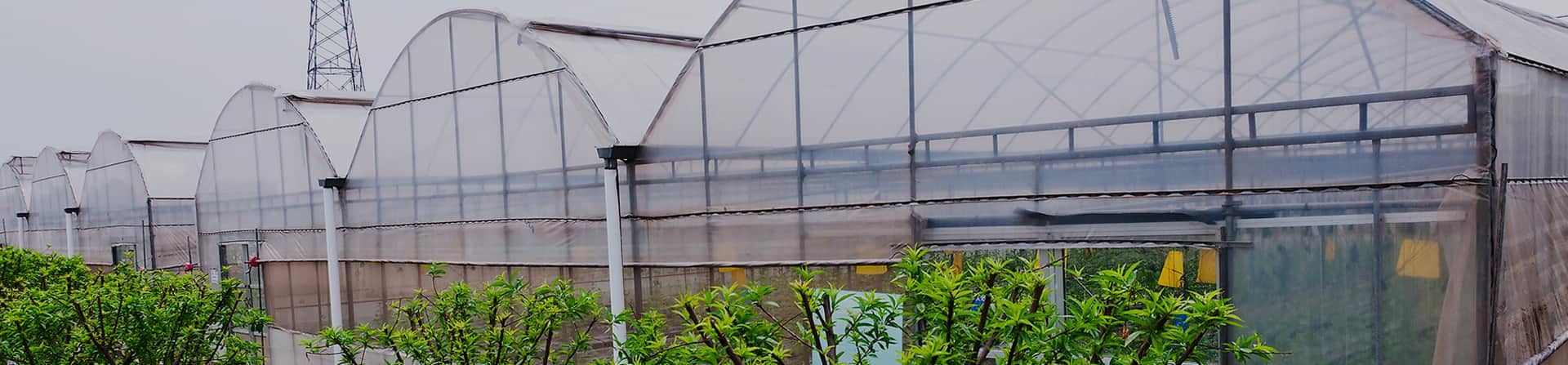
The Ultimate Guide to Choosing the Right Cover Net for Your Crops
The Ultimate Guide to Choosing the Right Cover Net for Your Crops
Table of Contents
1. Understanding Cover Nets: What Are They?
2. The Importance of Cover Nets in Agriculture
3. Types of Cover Nets Available for Crops
3.1. Insect Nets
3.2. Shade Nets
3.3. Frost Protection Nets
3.4. Anti-Hail Nets
4. Factors to Consider When Choosing Cover Nets
4.1. Crop Type and Growth Stage
4.2. Climate Conditions
4.3. Installation and Maintenance
5. Benefits of Using Cover Nets in Crop Production
6. Tips for Proper Installation of Cover Nets
7. Common Mistakes to Avoid When Using Cover Nets
8. Frequently Asked Questions (FAQs)
9. Conclusion
1. Understanding Cover Nets: What Are They?
Cover nets are protective barriers made from various materials designed to safeguard crops from environmental stresses. Whether it's pests, extreme weather conditions, or other harmful elements, cover nets serve as a vital component in modern agriculture, ensuring the safety and growth of sensitive crops.
2. The Importance of Cover Nets in Agriculture
Cover nets play a crucial role in sustainable farming practices. They not only provide physical protection but also contribute to improved crop yields. By mitigating the risks posed by pests and adverse weather, cover nets have become indispensable tools for farmers seeking to enhance their productivity and sustainability.
3. Types of Cover Nets Available for Crops
Choosing the right cover net is essential for effective crop protection. Here, we explore the various types available:
3.1. Insect Nets
Insect nets are specifically designed to keep pests at bay while allowing sunlight and rain to penetrate. These nets are particularly effective for delicate crops such as vegetables and fruits, where insect damage can lead to significant losses.
3.2. Shade Nets
Shade nets provide essential protection against excessive sunlight and heat. They are particularly beneficial for crops vulnerable to sunburn or heat stress. By choosing the right density of shade net, farmers can ensure optimal growing conditions for their plants.
3.3. Frost Protection Nets
Frost protection nets are designed to trap heat and create a microclimate for crops during cold nights. This type of net is vital for early-season crops that are sensitive to frost, ensuring they remain viable until harvest.
3.4. Anti-Hail Nets
Hail can cause detrimental damage to crops, leading to financial losses for farmers. Anti-hail nets act as a physical barrier, preventing hailstones from reaching the crops and minimizing damage.
4. Factors to Consider When Choosing Cover Nets
Selecting the right cover net requires careful consideration of several factors to ensure optimal performance.
4.1. Crop Type and Growth Stage
Different crops have varying requirements when it comes to protection. Understanding the specific needs of your crops, including their growth stages, is essential for selecting the appropriate cover net.
4.2. Climate Conditions
Local climate plays a significant role in determining the type of cover net required. Factors such as temperature fluctuations, humidity levels, and the prevalence of pests should all be taken into account.
4.3. Installation and Maintenance
Consider the ease of installation and maintenance of the cover nets. Some options may require more frequent adjustments or replacements, which could influence your overall farming efficiency.
5. Benefits of Using Cover Nets in Crop Production
The utilization of cover nets in crop production offers numerous advantages, including:
- **Enhanced pest control**: Cover nets effectively minimize pest incursions, reducing the need for chemical pesticides.
- **Microclimate creation**: They help in maintaining optimal temperature and humidity levels for crops, promoting healthy growth.
- **Water conservation**: Cover nets can help in retaining soil moisture by reducing evaporation rates, which is especially important in arid regions.
- **Improved yield**: By protecting crops from environmental stressors, cover nets can significantly enhance yield and quality.
6. Tips for Proper Installation of Cover Nets
Installing cover nets correctly is vital for maximizing their effectiveness. Here are some tips to ensure proper installation:
1. **Secure Anchor Points**: Ensure that the nets are anchored securely to withstand wind and other environmental pressures.
2. **Adjust for Growth**: Leave enough slack in the nets to accommodate the growth of the plants beneath. This will prevent damage to the crops as they mature.
3. **Regular Checks**: Conduct regular inspections of the nets to identify any wear and tear or areas that may need re-securing.
7. Common Mistakes to Avoid When Using Cover Nets
To maximize the efficacy of cover nets, avoid these common pitfalls:
- **Neglecting Installation Guidelines**: Always follow manufacturer guidelines for installation to ensure optimal protection.
- **Choosing the Wrong Type of Net**: Assess your specific needs before purchasing to avoid ineffective solutions.
- **Ignoring Environmental Changes**: Be aware of changes in weather patterns and adjust your cover nets accordingly.
8. Frequently Asked Questions (FAQs)
1. How do I determine which type of cover net is best for my crops?
Assess your crop's specific protection needs against pests, weather conditions, and growth stages to make an informed decision.
2. Can I use multiple types of cover nets together?
Yes, combining different types of cover nets can provide comprehensive protection based on your specific agricultural needs.
3. How often should I inspect my cover nets?
Regular inspections are recommended, especially after adverse weather conditions, to ensure they remain in good condition.
4. Are cover nets environmentally friendly?
Most cover nets are designed for minimal environmental impact, helping to reduce the reliance on chemical pesticides.
5. What is the average lifespan of a cover net?
The lifespan of a cover net varies based on the material and environmental conditions but typically ranges from 3 to 10 years.
9. Conclusion
Selecting the right cover net for your crops is crucial for ensuring their protection and maximizing yield. By understanding the different types of cover nets available, considering various factors such as crop type and climate conditions, and following best practices for installation and maintenance, you can enhance the success of your agricultural endeavors. With the right cover net, you can provide a safe and conducive environment for your crops, ultimately leading to increased productivity and profitability.
Key words:
Related News

CONTACT US
Email: sales8@meyabond.com
Tel: +8618911966213
No.3 Yard, ZhongHe Road, 100071,FengTai District, Beijing, China
Email: sales6@meyabond.com
Tel: +8618911963856
No.3 Yard, ZhongHe Road, 100071,FengTai District, Beijing, China
Meyabond Industry
You can trust.
Contact Us
Address:
No.3 Yard, ZhongHe Road, 100071,FengTai District, Beijing, China