


language
English
العربية
বাংলাদেশ
Български
Hrvatski
Česky
Dansk
Nederland
 Esperanto
Slovenski
Filipino
Suomi
Français
Maori
 Shqiptare
Georgian
 Euskara
Deutsch
Ελλάδα
ישראל
इंडिया
Magyarország
Ísland
Indonesia
Irlanda
Italia
日本語
Sovensko
Հայաստան
한국
Kyrgyz
ປະເທດລາວ
 Zulu
Zulu
Latvian
Lithuanian
Luxembourgish
 Latinus
Macedonian
Малайская
Maltese
Монгол улс
 Cymraeg
ဗမာ
 தமிழ்
தமிழ்
नेपाल
Norge
ایران
Polska
Portugal
România
Российская
Србија
 Slovak
Србија
 Slovak
Bosanski
Slovenian
Беларус
España
Sverige
Точик
ประเทศไทย
Türk
Azərbaycan
Uzbek
 Afrikaans
Việt Nam
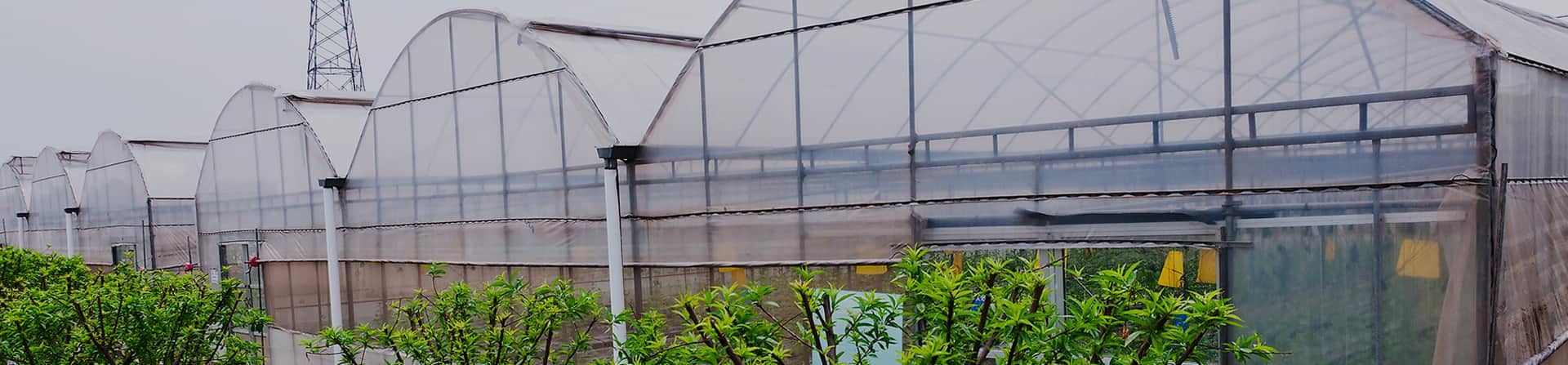
The Essential Guide to Protective Covers in Agricultural Facilities
In the realm of agricultural food production, especially within facility farming, protective covers play a crucial role in safeguarding crops and maintaining an optimal growing environment. These covers serve as a barrier against various environmental factors, including harsh weather conditions, pests, and diseases. Understanding the advantages and types of protective covers can significantly enhance crop yield and quality, making it an essential topic for anyone involved in agricultural operations.
First and foremost, protective covers help regulate temperature and humidity levels within farming facilities. By providing insulation, they create a microclimate that is conducive to plant growth. This regulation not only protects crops from extreme temperatures but also minimizes the risk of frost damage during colder months. In warmer climates, these covers can help reduce heat stress on plants, promoting healthier growth.
In addition to temperature control, protective covers serve as a defense mechanism against pests and diseases. They create a physical barrier that can significantly reduce the likelihood of infestations. By shielding crops from insects and other organisms, farmers can lessen their reliance on chemical pesticides, leading to a more sustainable and environmentally friendly farming practice. Thus, using protective covers can contribute to healthier produce and a cleaner ecosystem.
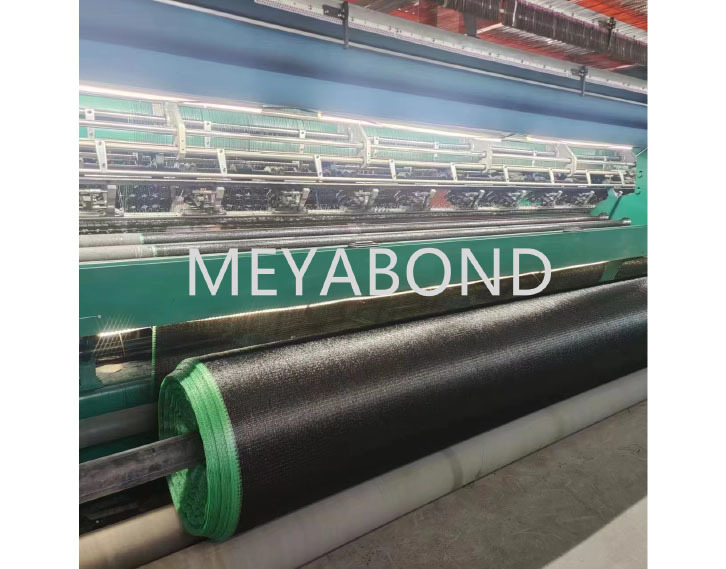
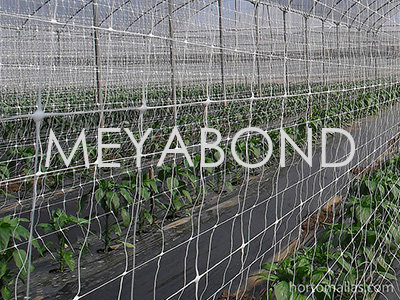
There are various types of protective covers available for agricultural use. Common options include greenhouse films, shade cloths, and insect netting. Greenhouse films, for example, are made from durable plastic materials that allow sunlight to penetrate while providing protection from rain and wind. Shade cloths, on the other hand, are ideal for reducing sunlight exposure and preventing overheating during hot summer months. Insect netting is specially designed to block pests while allowing air circulation, making it a great option for organic farming practices.
When selecting a protective cover, it is essential to consider factors such as the specific crops being grown, the local climate, and the potential pest threats. Each type of cover has unique properties that make it suitable for different applications. Additionally, regular maintenance and timely replacement of these covers are vital to ensuring they continue to provide the intended benefits throughout the growing season.
In conclusion, protective covers are an indispensable component of facility agriculture. They not only enhance crop protection but also contribute to sustainable farming practices by minimizing chemical usage. By understanding the different types of protective covers and their benefits, farmers can make informed decisions that lead to improved productivity and healthier crops. Investing in quality protective covers ultimately pays off in the long run, offering a robust solution for the challenges faced in modern agricultural practices.
First and foremost, protective covers help regulate temperature and humidity levels within farming facilities. By providing insulation, they create a microclimate that is conducive to plant growth. This regulation not only protects crops from extreme temperatures but also minimizes the risk of frost damage during colder months. In warmer climates, these covers can help reduce heat stress on plants, promoting healthier growth.
In addition to temperature control, protective covers serve as a defense mechanism against pests and diseases. They create a physical barrier that can significantly reduce the likelihood of infestations. By shielding crops from insects and other organisms, farmers can lessen their reliance on chemical pesticides, leading to a more sustainable and environmentally friendly farming practice. Thus, using protective covers can contribute to healthier produce and a cleaner ecosystem.
There are various types of protective covers available for agricultural use. Common options include greenhouse films, shade cloths, and insect netting. Greenhouse films, for example, are made from durable plastic materials that allow sunlight to penetrate while providing protection from rain and wind. Shade cloths, on the other hand, are ideal for reducing sunlight exposure and preventing overheating during hot summer months. Insect netting is specially designed to block pests while allowing air circulation, making it a great option for organic farming practices.
When selecting a protective cover, it is essential to consider factors such as the specific crops being grown, the local climate, and the potential pest threats. Each type of cover has unique properties that make it suitable for different applications. Additionally, regular maintenance and timely replacement of these covers are vital to ensuring they continue to provide the intended benefits throughout the growing season.
In conclusion, protective covers are an indispensable component of facility agriculture. They not only enhance crop protection but also contribute to sustainable farming practices by minimizing chemical usage. By understanding the different types of protective covers and their benefits, farmers can make informed decisions that lead to improved productivity and healthier crops. Investing in quality protective covers ultimately pays off in the long run, offering a robust solution for the challenges faced in modern agricultural practices.
Key words:
Related News

CONTACT US
Email: sales8@meyabond.com
Tel: +8618911966213
No.3 Yard, ZhongHe Road, 100071,FengTai District, Beijing, China
Email: sales6@meyabond.com
Tel: +8618911963856
No.3 Yard, ZhongHe Road, 100071,FengTai District, Beijing, China
Meyabond Industry
You can trust.
Contact Us
Address:
No.3 Yard, ZhongHe Road, 100071,FengTai District, Beijing, China