


language
English
العربية
বাংলাদেশ
Български
Hrvatski
Česky
Dansk
Nederland
 Esperanto
Slovenski
Filipino
Suomi
Français
Maori
 Shqiptare
Georgian
 Euskara
Deutsch
Ελλάδα
ישראל
इंडिया
Magyarország
Ísland
Indonesia
Irlanda
Italia
日本語
Sovensko
Հայաստան
한국
Kyrgyz
ປະເທດລາວ
 Zulu
Zulu
Latvian
Lithuanian
Luxembourgish
 Latinus
Macedonian
Малайская
Maltese
Монгол улс
 Cymraeg
ဗမာ
 தமிழ்
தமிழ்
नेपाल
Norge
ایران
Polska
Portugal
România
Российская
Србија
 Slovak
Србија
 Slovak
Bosanski
Slovenian
Беларус
España
Sverige
Точик
ประเทศไทย
Türk
Azərbaycan
Uzbek
 Afrikaans
Việt Nam
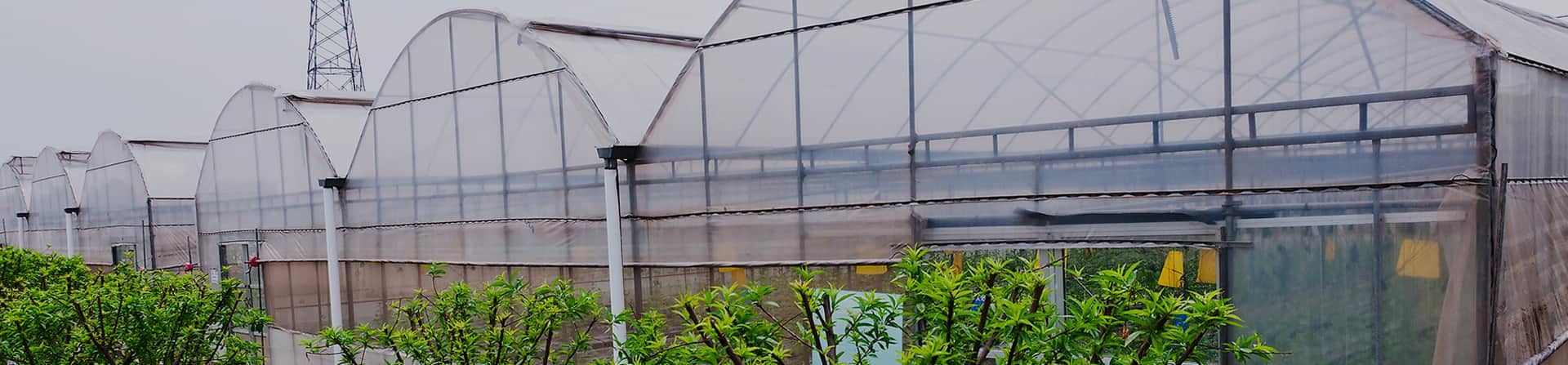
Understanding the Benefits and Uses of Gravel Bags in Agricultural Facilities
Gravel bags are versatile tools in the agricultural industry, especially in the realm of facility agriculture. Often used for various purposes, their significance cannot be understated when it comes to improving the efficiency and sustainability of agricultural practices.
One of the primary uses of gravel bags in agricultural settings is erosion control. In areas susceptible to soil erosion, these bags can provide vital support by acting as barriers against water flow. By placing gravel bags strategically around vulnerable areas, farmers can significantly reduce the impact of heavy rains, thus preserving soil integrity. This not only protects crops but also maintains the overall health of the agricultural environment.
Moreover, gravel bags serve as an effective means of water management. In facilities where excess water drainage is a concern, these bags can help in redirecting water flow. By constructing temporary levees or barriers using gravel bags, agricultural professionals can manage irrigation better, ensuring that water reaches the intended areas while avoiding waterlogging in others. This application is particularly beneficial in large-scale operations where uniform water distribution is crucial for crop yield.
In addition to their role in erosion control and water management, gravel bags can also be employed in creating stable work surfaces. Agricultural facilities often require solid ground to support machinery and foot traffic. By filling gravel bags and laying them down in high-traffic areas, farmers can establish a firm foundation that minimizes soil compaction and enhances accessibility. This is especially significant in muddy or uneven terrain, where machinery operations can be hindered, leading to operational delays and decreased productivity.
When utilizing gravel bags, it is essential to consider the material and size of the bags. The choice of gravel is important, as different types can offer varying levels of drainage and stability. Additionally, proper placement and securing of the bags will determine their effectiveness. Farmers should ensure that gravel bags are filled adequately and placed in a manner that allows for optimal performance based on their intended use.
In conclusion, gravel bags are a valuable asset in the agricultural industry, especially within facility agriculture. Their applications in erosion control, water management, and creating stable surfaces contribute significantly to improved agricultural practices. By understanding how to effectively utilize gravel bags, farmers can enhance their operations, leading to more sustainable and productive agricultural environments. As the industry continues to evolve, incorporating innovative tools like gravel bags will be crucial in meeting the challenges of modern agriculture.
One of the primary uses of gravel bags in agricultural settings is erosion control. In areas susceptible to soil erosion, these bags can provide vital support by acting as barriers against water flow. By placing gravel bags strategically around vulnerable areas, farmers can significantly reduce the impact of heavy rains, thus preserving soil integrity. This not only protects crops but also maintains the overall health of the agricultural environment.
Moreover, gravel bags serve as an effective means of water management. In facilities where excess water drainage is a concern, these bags can help in redirecting water flow. By constructing temporary levees or barriers using gravel bags, agricultural professionals can manage irrigation better, ensuring that water reaches the intended areas while avoiding waterlogging in others. This application is particularly beneficial in large-scale operations where uniform water distribution is crucial for crop yield.
In addition to their role in erosion control and water management, gravel bags can also be employed in creating stable work surfaces. Agricultural facilities often require solid ground to support machinery and foot traffic. By filling gravel bags and laying them down in high-traffic areas, farmers can establish a firm foundation that minimizes soil compaction and enhances accessibility. This is especially significant in muddy or uneven terrain, where machinery operations can be hindered, leading to operational delays and decreased productivity.
When utilizing gravel bags, it is essential to consider the material and size of the bags. The choice of gravel is important, as different types can offer varying levels of drainage and stability. Additionally, proper placement and securing of the bags will determine their effectiveness. Farmers should ensure that gravel bags are filled adequately and placed in a manner that allows for optimal performance based on their intended use.
In conclusion, gravel bags are a valuable asset in the agricultural industry, especially within facility agriculture. Their applications in erosion control, water management, and creating stable surfaces contribute significantly to improved agricultural practices. By understanding how to effectively utilize gravel bags, farmers can enhance their operations, leading to more sustainable and productive agricultural environments. As the industry continues to evolve, incorporating innovative tools like gravel bags will be crucial in meeting the challenges of modern agriculture.
Key words:
Related News


CONTACT US
Email: sales8@meyabond.com
Tel: +8618911966213
No.3 Yard, ZhongHe Road, 100071,FengTai District, Beijing, China
Email: sales6@meyabond.com
Tel: +8618911963856
No.3 Yard, ZhongHe Road, 100071,FengTai District, Beijing, China
Meyabond Industry
You can trust.
Contact Us
Address:
No.3 Yard, ZhongHe Road, 100071,FengTai District, Beijing, China