


language
English
العربية
বাংলাদেশ
Български
Hrvatski
Česky
Dansk
Nederland
 Esperanto
Slovenski
Filipino
Suomi
Français
Maori
 Shqiptare
Georgian
 Euskara
Deutsch
Ελλάδα
ישראל
इंडिया
Magyarország
Ísland
Indonesia
Irlanda
Italia
日本語
Sovensko
Հայաստան
한국
Kyrgyz
ປະເທດລາວ
 Zulu
Zulu
Latvian
Lithuanian
Luxembourgish
 Latinus
Macedonian
Малайская
Maltese
Монгол улс
 Cymraeg
ဗမာ
 தமிழ்
தமிழ்
नेपाल
Norge
ایران
Polska
Portugal
România
Российская
Србија
 Slovak
Србија
 Slovak
Bosanski
Slovenian
Беларус
España
Sverige
Точик
ประเทศไทย
Türk
Azərbaycan
Uzbek
 Afrikaans
Việt Nam
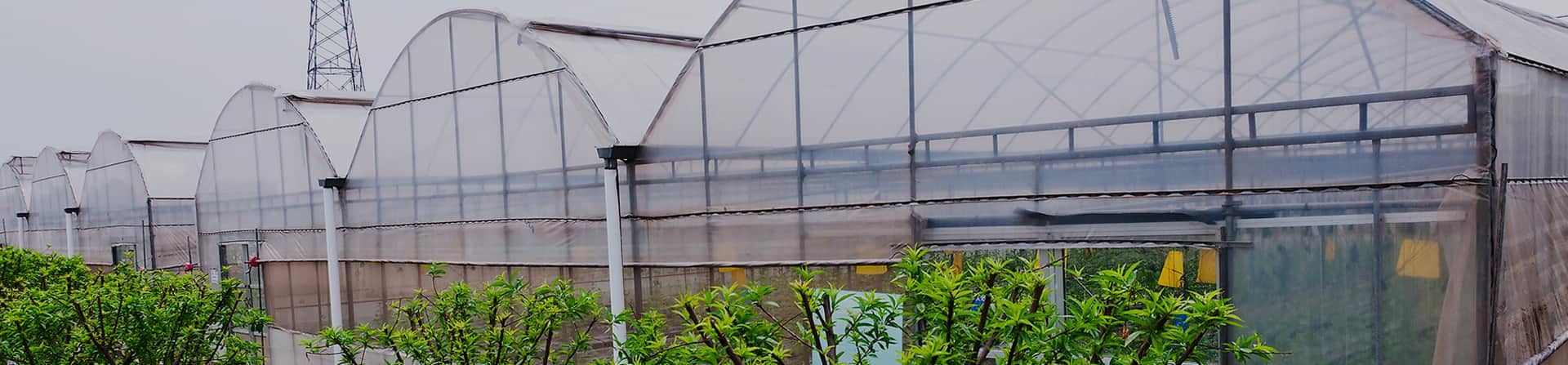
Maximize Yield: Why Anti UV Anti Hail Nets Are Essential for Farmers
Maximize Yield: Why Anti UV Anti Hail Nets Are Essential for Farmers
Introduction to Anti UV and Anti Hail Nets
In the ever-evolving world of agriculture, **farmers face numerous challenges** that can impact crop yield and quality. Among these challenges, unpredictable weather patterns, including intense sunlight and hail storms, pose serious threats to agricultural productivity. Hence, the introduction of **Anti UV and Anti Hail Nets** has emerged as a game-changing solution for farmers looking to **maximize crop yields**.
These specialized nets serve as protective barriers, shielding crops from harmful UV rays and hail damage. While the initial investment in these nets may seem daunting, the long-term benefits they offer far outweigh the costs. In this article, we will explore the many advantages of using Anti UV and Anti Hail Nets, how they function, and why they are essential tools in modern farming.
Table of Contents
1. The Benefits of Anti UV and Anti Hail Nets
2. Understanding UV Rays and Their Impact on Crops
3. Understanding Hail Damage and Its Consequences
4. Types of Anti UV and Anti Hail Nets
5. Best Practices for Installing Anti UV and Anti Hail Nets
6. Case Studies: Successful Implementation of Nets in Agriculture
7. Cost Analysis: Is it Worth the Investment?
8. The Future of Agricultural Nets in Sustainable Farming
9. Frequently Asked Questions
10. Conclusion: The Essential Role of Anti UV and Anti Hail Nets
The Benefits of Anti UV and Anti Hail Nets
The need for protective measures in agriculture has never been more critical. **Anti UV and Anti Hail Nets provide numerous benefits** that can lead to substantial improvements in crop production:
1. Protection from UV Rays
Prolonged exposure to UV radiation can damage plant tissues, leading to reduced growth and yield. **Anti UV nets** filter harmful rays, allowing beneficial light to penetrate while protecting crops from sunburn and stress.
2. Shielding Against Hail Damage
Hail can devastate crops within minutes, leading to significant economic losses. Anti hail nets act as a physical barrier, absorbing the impact of hailstones and preventing damage to plants.
3. Enhanced Microclimate Control
These nets help in maintaining a favorable microclimate around the crops. They can reduce temperature fluctuations and improve humidity levels, providing an optimal environment for growth.
4. Pest Control
The fine mesh of the nets can also deter various pests, reducing the need for chemical pesticides. This contributes to healthier crops and a more sustainable farming approach.
5. Increased Crop Yields
By minimizing plant stress and damage, **farmers can achieve higher crop yields**. This not only enhances profitability but also improves food security.
Understanding UV Rays and Their Impact on Crops
**Ultraviolet (UV) rays** from the sun can be divided into three categories: UVA, UVB, and UVC. While UVC is mostly absorbed by the atmosphere, UVA and UVB can significantly impact plant health.
1. Impact of UVA Rays
UVA rays penetrate deep into plant tissues, affecting photosynthesis and growth. High levels of exposure can lead to **photoinhibition**, where plants become less efficient at converting light into energy.
2. Impact of UVB Rays
UVB rays are more potent and can cause **direct damage to DNA** in plant cells. This can result in stunted growth, reduced flowering, and overall lower crop yields.
Understanding Hail Damage and Its Consequences
Hail storms can be devastating to farmers, often resulting in total crop loss. The impact of hail is not just physical; it can have **long-term economic consequences** as well.
1. Physical Damage to Crops
When hail strikes, it can shred leaves, bruise fruits, and even uproot plants. The destruction can occur in mere minutes, leaving farmers with nothing to harvest.
2. Economic Implications
The costs associated with hail damage extend beyond immediate losses. Farmers may face increased insurance premiums, reduced market value for damaged crops, and the long-term financial burden of replanting.
Types of Anti UV and Anti Hail Nets
Choosing the right type of net is crucial for maximizing benefits. Various options are available, each designed for specific agricultural needs.
1. Shade Nets
Shade nets reduce sunlight intensity while allowing adequate light for photosynthesis. They are particularly beneficial for **shade-loving crops**.
2. Anti Hail Nets
These nets are designed to provide the best defense against hail impacts. Made from durable materials, they absorb shock and distribute the force of hail, minimizing damage.
3. Multi-functional Nets
Some nets combine anti-UV and anti-hail properties, offering comprehensive protection for a wide range of crops. These versatile solutions are ideal for farmers seeking maximum yield.
Best Practices for Installing Anti UV and Anti Hail Nets
Proper installation of Anti UV and Anti Hail Nets is essential for ensuring effectiveness. Here are best practices to follow:
1. Assess the Field Conditions
Evaluate soil type, crop type, and environmental factors before installation. This assessment will inform the selection of the right net and installation technique.
2. Choose the Right Frame
A sturdy frame is essential for supporting the net. Ensure that it can withstand local weather conditions and provides adequate height for crop growth.
3. Secure the Nets Effectively
Use proper anchoring techniques to prevent the nets from being dislodged by strong winds. This may involve using stakes, weights, or ropes.
4. Regular Maintenance
Inspect the nets regularly for wear and tear. Replace damaged sections promptly to maintain protection levels.
Case Studies: Successful Implementation of Nets in Agriculture
Real-world examples highlight the effectiveness of Anti UV and Anti Hail Nets in improving agricultural yields.
1. Case Study: Vegetable Farming in Mexico
A group of farmers in Mexico implemented anti-hail nets in their vegetable fields. Results showed a **30% increase in yield**, with reduced losses during hail seasons.
2. Case Study: Fruit Orchards in California
California fruit growers adopted anti-UV nets, leading to healthier trees and a **25% increase in fruit size**. The nets shielded against UV damage while improving overall fruit quality.
Cost Analysis: Is it Worth the Investment?
Investing in Anti UV and Anti Hail Nets requires careful financial consideration. However, the costs can be justified through several factors:
1. Initial Investment vs. Long-term Gains
While the initial costs may be significant, the potential for increased yields and reduced losses makes the investment worthwhile in the long run.
2. Insurance Benefits
Farmers utilizing protective nets may see a decrease in insurance premiums due to reduced risk of loss, enhancing their overall financial stability.
3. Environmental Sustainability
Using nets can reduce the need for chemical interventions, promoting a more sustainable approach to farming that can appeal to environmentally conscious consumers.
The Future of Agricultural Nets in Sustainable Farming
As agriculture continues to face climate change challenges, the role of Anti UV and Anti Hail Nets will likely expand.
1. Technological Advancements
Emerging technologies may lead to even more effective net designs, incorporating features like smart sensors to monitor environmental conditions.
2. Increased Adoption Among Smallholders
As awareness grows, smallholder farmers will increasingly recognize the benefits of protective nets, leading to wider adoption and improved food security.
Frequently Asked Questions
1. How do Anti UV and Anti Hail Nets work?
Anti UV and Anti Hail Nets filter harmful UV rays and absorb impact from hailstones, providing a protective barrier for crops.
2. What crops benefit most from these nets?
Crops such as vegetables, fruits, and ornamentals can significantly benefit from using these nets, as they protect against environmental stressors.
3. Are these nets reusable?
Yes, with proper care and maintenance, Anti UV and Anti Hail Nets can be reused for several growing seasons.
4. How do I choose the right net for my farm?
Consider factors like crop type, local weather patterns, and specific protection needs when selecting the appropriate net.
5. What are the maintenance requirements for these nets?
Regular inspections for damage and proper cleaning are essential for maintaining the effectiveness of the nets.
Conclusion: The Essential Role of Anti UV and Anti Hail Nets
In conclusion, as farmers strive to maximize yields amid unpredictable weather patterns, the importance of **Anti UV and Anti Hail Nets cannot be overstated**. These innovative solutions provide crucial protection against harmful UV rays and hail damage, leading to healthier crops and increased productivity. With the right investment and management, farmers can ensure sustainable growth and resilience in their agricultural practices. Adopting these nets is not just a wise choice; it is an essential strategy for thriving in the modern agricultural landscape.
Key words:
Related News
CONTACT US
Email: sales8@meyabond.com
Tel: +8618911966213
No.3 Yard, ZhongHe Road, 100071,FengTai District, Beijing, China
Email: sales6@meyabond.com
Tel: +8618911963856
No.3 Yard, ZhongHe Road, 100071,FengTai District, Beijing, China
Meyabond Industry
You can trust.
Contact Us
Address:
No.3 Yard, ZhongHe Road, 100071,FengTai District, Beijing, China