


language
English
العربية
বাংলাদেশ
Български
Hrvatski
Česky
Dansk
Nederland
 Esperanto
Slovenski
Filipino
Suomi
Français
Maori
 Shqiptare
Georgian
 Euskara
Deutsch
Ελλάδα
ישראל
इंडिया
Magyarország
Ísland
Indonesia
Irlanda
Italia
日本語
Sovensko
Հայաստան
한국
Kyrgyz
ປະເທດລາວ
 Zulu
Zulu
Latvian
Lithuanian
Luxembourgish
 Latinus
Macedonian
Малайская
Maltese
Монгол улс
 Cymraeg
ဗမာ
 தமிழ்
தமிழ்
नेपाल
Norge
ایران
Polska
Portugal
România
Российская
Србија
 Slovak
Србија
 Slovak
Bosanski
Slovenian
Беларус
España
Sverige
Точик
ประเทศไทย
Türk
Azərbaycan
Uzbek
 Afrikaans
Việt Nam
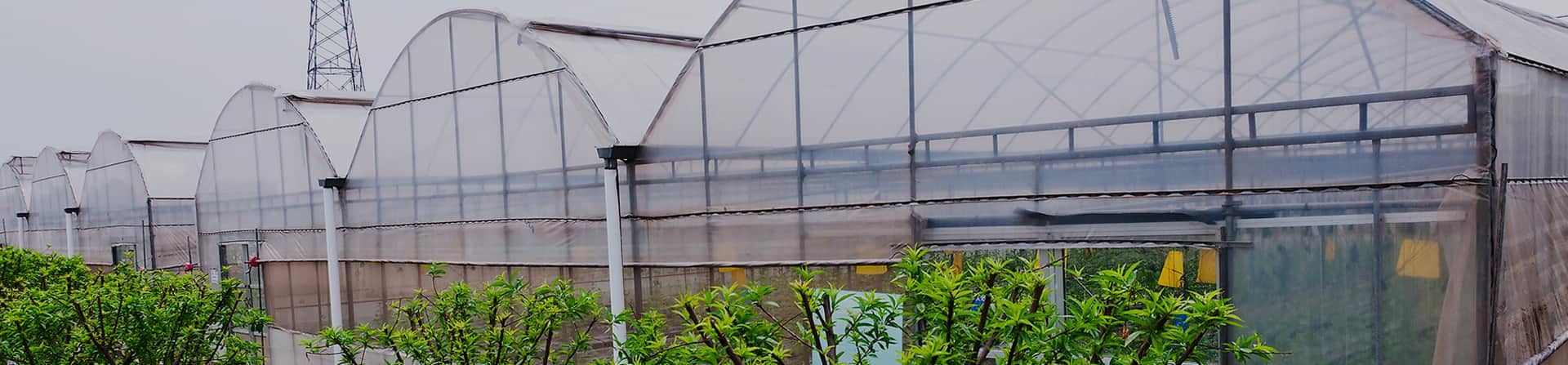
How to Choose the Right Knitted Bird Net for Your Farm
How to Choose the Right Knitted Bird Net for Your Farm
When it comes to **protecting your crops**, choosing the right knitted bird net is essential for maintaining productivity and safeguarding your investment. With various options available, making the right choice can be overwhelming. This guide aims to simplify your decision-making process, helping you select the most suitable bird net for your farm's unique needs.
Understanding the Importance of Bird Nets in Agriculture
Birds can be both a blessing and a curse for farmers. While they help in pest control, they can also cause considerable damage to crops. **Using knitted bird nets** provides a practical solution to this problem. Here are some reasons why installing bird nets is critical:
- **Crop Protection**: Bird nets shield crops from pecking and foraging, preserving both yield quantity and quality.
- **Cost-Effective**: Investing in a good quality bird net can save you money by preventing crop loss and reducing the need for chemical deterrents.
- **Environmental Safety**: Bird nets are a non-toxic way to protect your farm, minimizing the impact on the environment and wildlife.
Types of Knitted Bird Nets Available
Understanding the different types of knitted bird nets can significantly influence your choice. Here are the most common varieties:
1. Standard Knitted Bird Nets
These nets are made from high-density polyethylene (HDPE) fibers, which provide durability and UV resistance. They come in various mesh sizes, allowing you to choose the best fit for your specific crop and local bird species.
2. Heavy-Duty Knitted Bird Nets
Designed for more extensive agricultural operations, heavy-duty nets are thicker and offer greater resistance to wear and tear. These nets are ideal for areas with higher bird activity, providing extended protection.
3. Lightweight Knitted Bird Nets
These nets are best suited for smaller farms or gardens. Lightweight options are easy to handle and install, but they may not provide the same level of protection as their heavier counterparts.
4. UV-Resistant Bird Nets
For farms in sunny regions, UV-resistant nets are crucial. These nets are treated to withstand prolonged exposure to sunlight, preventing premature degradation.
Factors to Consider When Choosing a Knitted Bird Net
Selecting the right knitted bird net involves various considerations. Here are essential factors to keep in mind:
1. Mesh Size
The mesh size determines which birds can access your crops. Smaller mesh sizes (e.g., 1/2 inch) are effective against smaller birds like finches, while larger sizes (e.g., 1 inch) may be suitable for bigger species. Assess the bird population in your area to choose the optimal mesh size.
2. Material Quality
The durability of the material affects the net's lifespan. Look for nets made from high-quality HDPE, which offers UV resistance, longevity, and strength. Thicker cords often translate to better durability.
3. Net Weight
The weight of the net will impact installation and maintenance. Heavier nets typically offer better protection but can be more challenging to install. Lightweight nets are easier to manage but may not be as durable.
4. Color
The color of the net can influence its effectiveness. Typically, black nets are less visible, making them less likely to deter birds. Conversely, bright colors may be more noticeable but can also attract birds, so choose wisely.
5. Farm Layout
Consider the layout and topography of your farm. If your field has many irregular shapes or slopes, flexible nets that can conform to various terrains will be more effective.
Installation Tips for Knitted Bird Nets
Installing bird nets correctly is crucial for their effectiveness. Here are some tips to guide you through the process:
1. Prepare the Area
Before installation, clear the area of any debris that could snag the net. Ensure that there are no sharp objects that could damage the net over time.
2. Use Support Structures
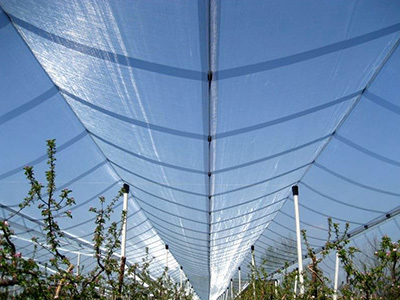
Install a support structure like poles or frames to elevate the net above the crops. This setup prevents birds from easily landing on the crops, making it less likely for them to access your plants.
3. Secure the Edges
Ensure that the edges of the net are securely anchored to the ground to prevent birds from slipping underneath. Use weights or bury the edges in the soil for added security.
4. Regular Maintenance
Conduct regular inspections to check for tears or damages. Prompt repairs will extend the net's lifespan and maintain its protective qualities.
Maintenance Practices for Longevity
Proper maintenance is vital for ensuring the longevity of your knitted bird nets. Consider these practices:
1. Cleaning the Nets
Periodically clean the nets to remove dirt, debris, and bird droppings, which can degrade the material. Use a gentle soap solution and a soft brush to avoid damaging the fibers.
2. Seasonal Storage
If the nets are not in use during off-seasons, store them in a cool, dry place to prevent mold and decay. Properly folding and packaging the nets will also help maintain their shape.
3. Inspect for Damage
Regularly check for any signs of wear and tear. Early detection of damages can prevent more extensive issues and ensure ongoing crop protection.
Cost Considerations for Knitted Bird Nets
Understanding the costs associated with knitted bird nets can help you budget accordingly. Prices can vary widely based on factors such as:
- **Material Quality**: Higher-quality nets typically come at a higher cost.
- **Net Size**: Larger nets will naturally be more expensive, so consider your area of coverage.
- **Brand Reputation**: Established brands may charge more due to their proven track record of quality.
Balancing cost and quality is essential for making a wise investment.
Frequently Asked Questions (FAQs)
1. What is the best mesh size for bird nets?
The best mesh size depends on the types of birds in your area. Generally, a 1/2 inch mesh size is effective against smaller species, while a 1-inch mesh can deter larger birds.
2. How long can I expect a knitted bird net to last?
High-quality knitted bird nets can last anywhere from 5 to 10 years, depending on the material quality and environmental conditions.
3. Can I reuse my bird net each season?
Yes, if maintained properly, knitted bird nets can be reused for multiple seasons. Ensure you clean and store them correctly during off-seasons.
4. Are there any environmentally friendly options for bird nets?
Yes, look for bird nets made from recycled materials or those that are biodegradable. These options minimize environmental impact.
5. How do I know if the bird net is securely installed?
A securely installed bird net should remain taut, with no gaps at the edges or points of entry. Regular checks will help ensure its effectiveness.
Conclusion
Choosing the right knitted bird net for your farm is a critical decision that impacts crop health, yield, and overall farm productivity. By considering factors like mesh size, material quality, and installation practices, you can make a well-informed choice. Implementing proper maintenance and understanding the costs involved will further enhance your investment. With the right knitted bird net, you can protect your crops from pesky birds while promoting a thriving agricultural environment. Always remember that investing in quality nets today will pay off with healthier crops and increased productivity for years to come.
Key words:
Related News


CONTACT US
Email: sales8@meyabond.com
Tel: +8618911966213
No.3 Yard, ZhongHe Road, 100071,FengTai District, Beijing, China
Email: sales6@meyabond.com
Tel: +8618911963856
No.3 Yard, ZhongHe Road, 100071,FengTai District, Beijing, China
Meyabond Industry
You can trust.
Contact Us
Address:
No.3 Yard, ZhongHe Road, 100071,FengTai District, Beijing, China