


language
English
العربية
বাংলাদেশ
Български
Hrvatski
Česky
Dansk
Nederland
 Esperanto
Slovenski
Filipino
Suomi
Français
Maori
 Shqiptare
Georgian
 Euskara
Deutsch
Ελλάδα
ישראל
इंडिया
Magyarország
Ísland
Indonesia
Irlanda
Italia
日本語
Sovensko
Հայաստան
한국
Kyrgyz
ປະເທດລາວ
 Zulu
Zulu
Latvian
Lithuanian
Luxembourgish
 Latinus
Macedonian
Малайская
Maltese
Монгол улс
 Cymraeg
ဗမာ
 தமிழ்
தமிழ்
नेपाल
Norge
ایران
Polska
Portugal
România
Российская
Србија
 Slovak
Србија
 Slovak
Bosanski
Slovenian
Беларус
España
Sverige
Точик
ประเทศไทย
Türk
Azərbaycan
Uzbek
 Afrikaans
Việt Nam
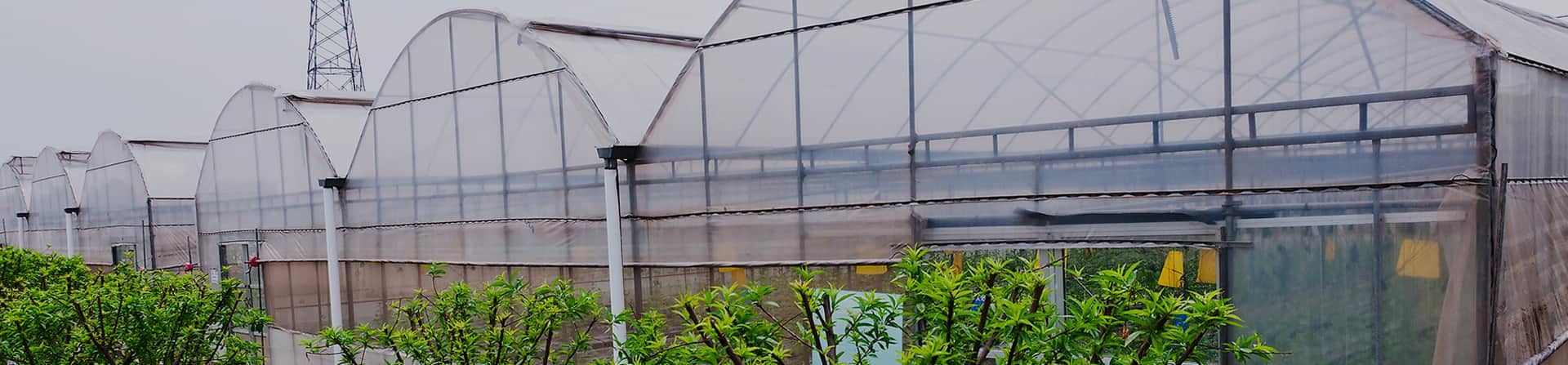
Explore the Advantages of Anti Insect Netting for Farmers: A Comprehensive Guide
Explore the Advantages of Anti Insect Netting for Farmers
Table of Contents
- 1. Introduction to Anti Insect Netting
- 2. What is Anti Insect Netting?
- 3. Key Benefits of Anti Insect Netting
- 3.1 Enhanced Crop Protection
- 3.2 Support for Sustainable Farming Practices
- 3.3 Cost-Effectiveness Over Time
- 4. How to Install Anti Insect Netting
- 5. Maintenance Tips for Anti Insect Netting
- 6. Real-World Examples of Successful Implementation
- 7. Frequently Asked Questions
- 8. Conclusion
1. Introduction to Anti Insect Netting
In the modern agricultural landscape, protecting crops from pests is a paramount concern for farmers worldwide. Among the various methods available, **anti insect netting** stands out as a highly effective solution. This guide delves deep into the myriad advantages of using anti insect netting, offering insights that empower farmers to make informed decisions for their crops.
2. What is Anti Insect Netting?
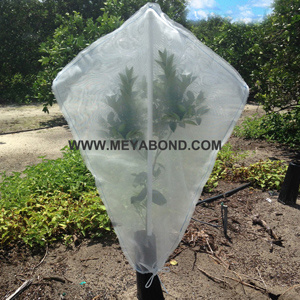
Anti insect netting is a specialized mesh fabric designed to keep insects and pests away from crops while allowing sunlight, water, and air to penetrate. Typically made from durable materials like polyethylene, this netting comes in various mesh sizes tailored to prevent specific types of pests such as aphids, whiteflies, and caterpillars.
3. Key Benefits of Anti Insect Netting
Utilizing anti insect netting offers numerous advantages, making it a valuable investment for farmers looking to enhance their crop yield and quality.
3.1 Enhanced Crop Protection
One of the primary benefits of anti insect netting is its ability to provide robust protection against a wide variety of pests. By creating a physical barrier, the netting helps to prevent infestations, which can lead to significant crop damage. Farmers can expect healthier plants and increased yields, contributing to overall farm profitability.
3.2 Support for Sustainable Farming Practices
In an era where sustainable practices are increasingly important, anti insect netting aligns perfectly with eco-friendly farming methods. Unlike chemical pesticides, which can have harmful effects on the environment and human health, netting offers a non-toxic solution that minimizes chemical use. This approach not only preserves the ecosystem but also meets the growing consumer demand for sustainably grown produce.
3.3 Cost-Effectiveness Over Time
While the initial investment in anti insect netting may seem significant, the long-term savings are considerable. By reducing the need for pesticides and mitigating crop loss, farmers can enjoy greater financial returns over time. Additionally, the durability of high-quality netting ensures that it can be reused for multiple growing seasons, further enhancing its cost-effectiveness.
4. How to Install Anti Insect Netting
Installing anti insect netting is a straightforward process that can be completed with some basic tools and preparation.
4.1 Preparation Before Installation
Before installing the netting, farmers should assess their fields to determine the specific areas that require protection. It is essential to measure the dimensions of the crop beds accurately and select the appropriate netting type based on the pests prevalent in the region.
4.2 Step-by-Step Installation Guide
1. **Choose the Right Netting**: Select a net with the appropriate mesh size for the pests you want to exclude.
2. **Prepare the Structure**: Set up a supporting structure such as hoops or frames to hold the netting above the crops.
3. **Cut the Netting**: Cut the anti insect netting to the required dimensions, ensuring it is large enough to cover the entire area.
4. **Secure the Netting**: Drape the netting over the structure and secure it at the edges using stakes or weights to prevent it from being lifted by the wind.
5. **Check for Gaps**: Inspect the installation for any gaps or areas where insects could enter, and make necessary adjustments.
5. Maintenance Tips for Anti Insect Netting
To ensure the longevity and effectiveness of anti insect netting, regular maintenance is crucial. Here are some tips to keep in mind:
- **Inspect for Damage**: Periodically check for tears or holes in the netting and repair them promptly to maintain its protective barrier.
- **Clean the Netting**: Remove any debris or dirt that may accumulate on the netting, as this can obstruct sunlight and airflow.
- **Seasonal Removal**: Consider removing the netting at the end of the growing season to protect it from harsh weather conditions and prolong its lifespan.
6. Real-World Examples of Successful Implementation
Across the globe, many farmers have reported significant successes after adopting anti insect netting. For instance, a vegetable farm in California saw a **30% increase in yield** after implementing netting, resulting in higher profits and reduced pesticide usage. Similarly, a berry farm in the UK improved its crop quality and reduced pest-related losses by 50% within the first year of installation.
7. Frequently Asked Questions
- **What types of pests can anti insect netting protect against?**
Anti insect netting is effective against various pests, including aphids, beetles, caterpillars, and flies, depending on the mesh size selected.
- **How long does anti insect netting last?**
With proper care, anti insect netting can last several growing seasons, providing a durable solution for pest management.
- **Is it necessary to use insecticides in conjunction with netting?**
While netting significantly reduces pest pressure, some farmers may still choose to use insecticides as a preventive measure, especially during critical growth phases.
- **Can anti insect netting be used in all climates?**
Yes, anti insect netting can be used in various climates. However, it’s essential to choose a netting material that withstands local weather conditions.
- **Is the installation process complicated?**
No, the installation process is relatively simple and can be completed by farmers with basic tools and skills.
8. Conclusion
Incorporating **anti insect netting** into farming practices presents a multitude of advantages, from enhanced crop protection to supporting sustainable agriculture. By investing in this effective pest management solution, farmers can safeguard their yields, reduce reliance on harmful chemicals, and ultimately improve their bottom line. As the agricultural industry continues to evolve, embracing innovative technologies like anti insect netting will be key to fostering productivity and sustainability in farming.
Key words:
Related News

CONTACT US
Email: sales8@meyabond.com
Tel: +8618911966213
No.3 Yard, ZhongHe Road, 100071,FengTai District, Beijing, China
Email: sales6@meyabond.com
Tel: +8618911963856
No.3 Yard, ZhongHe Road, 100071,FengTai District, Beijing, China
Meyabond Industry
You can trust.
Contact Us
Address:
No.3 Yard, ZhongHe Road, 100071,FengTai District, Beijing, China