


language
English
العربية
বাংলাদেশ
Български
Hrvatski
Česky
Dansk
Nederland
 Esperanto
Slovenski
Filipino
Suomi
Français
Maori
 Shqiptare
Georgian
 Euskara
Deutsch
Ελλάδα
ישראל
इंडिया
Magyarország
Ísland
Indonesia
Irlanda
Italia
日本語
Sovensko
Հայաստան
한국
Kyrgyz
ປະເທດລາວ
 Zulu
Zulu
Latvian
Lithuanian
Luxembourgish
 Latinus
Macedonian
Малайская
Maltese
Монгол улс
 Cymraeg
ဗမာ
 தமிழ்
தமிழ்
नेपाल
Norge
ایران
Polska
Portugal
România
Российская
Србија
 Slovak
Србија
 Slovak
Bosanski
Slovenian
Беларус
España
Sverige
Точик
ประเทศไทย
Türk
Azərbaycan
Uzbek
 Afrikaans
Việt Nam
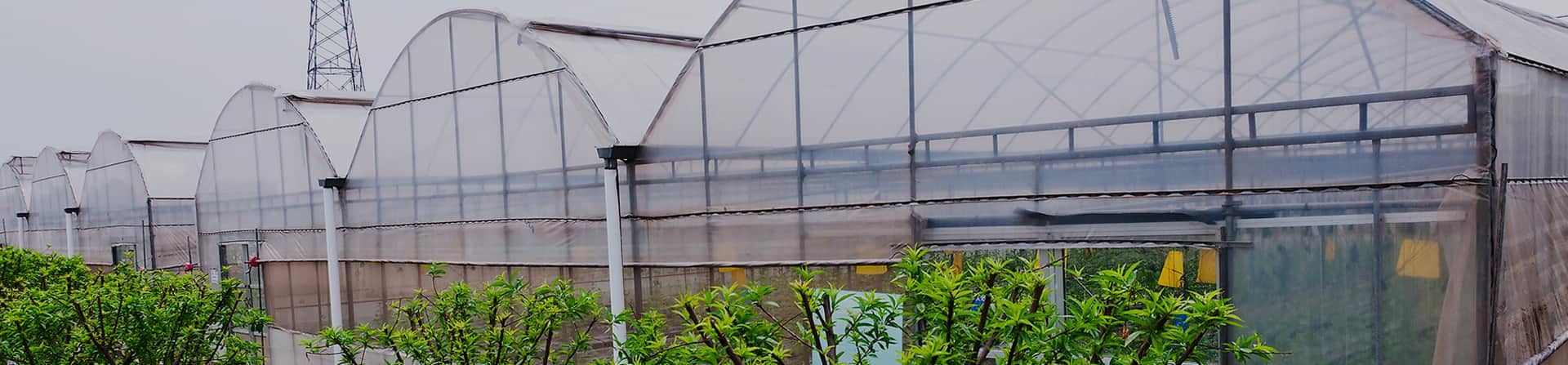
Unlocking the Benefits of Silage Coverage 220 in Agriculture: Enhancing Efficiency and Productivity
Unlocking the Benefits of Silage Coverage 220 in Agriculture
Table of Contents
1. Introduction to Silage Coverage 220
2. Understanding Silage and Its Importance in Agriculture
2.1 What is Silage?
2.2 The Role of Silage in Livestock Nutrition
3. Features of Silage Coverage 220
3.1 Innovative Design and Material
3.2 User-Friendly Installation and Maintenance
4. Benefits of Using Silage Coverage 220
4.1 Enhanced Crop Preservation
4.2 Improved Feed Efficiency
4.3 Sustainability and Environmental Impact
5. How to Implement Silage Coverage 220 in Your Operations
5.1 Preparation and Planning
5.2 Installation Process
6. Best Practices for Maintaining Silage Coverage 220
6.1 Regular Inspections and Maintenance
6.2 Addressing Common Issues
7. Case Studies: Success with Silage Coverage 220
8. Frequently Asked Questions (FAQs)
9. Conclusion
1. Introduction to Silage Coverage 220
In the ever-evolving world of agriculture, efficiency and productivity are paramount. One of the most innovative solutions making waves in this arena is **Silage Coverage 220**. This state-of-the-art technology plays a crucial role in enhancing the preservation of animal feed, ensuring that farmers can maximize their resources while maintaining high standards in livestock nutrition. As we delve deeper into the myriad benefits of Silage Coverage 220, we will explore its features, advantages, implementation strategies, and best practices for optimal results.
2. Understanding Silage and Its Importance in Agriculture
To fully appreciate the benefits of Silage Coverage 220, it is essential to first understand what silage is and its significant role in agriculture.
2.1 What is Silage?
Silage is a fermented, high-moisture fodder produced from green foliage crops that have undergone anaerobic fermentation. This process allows crops such as corn, sorghum, and grasses to be preserved for use as animal feed. The fermentation process not only aids in storage but also enhances the nutritional value of the feed.
2.2 The Role of Silage in Livestock Nutrition
For many livestock farmers, silage is indispensable. It provides a reliable source of energy and nutrients, particularly during periods of low forage availability. High-quality silage supports animal health, improves milk production in dairy cattle, and enhances weight gain in beef cattle, contributing to overall farm productivity.
3. Features of Silage Coverage 220
Silage Coverage 220 is designed with several innovative features aimed at maximizing efficiency and effectiveness.
3.1 Innovative Design and Material
The Silage Coverage 220 system utilizes high-strength, UV-resistant materials that are durable and capable of withstanding harsh weather conditions. Its design encourages optimal airflow and moisture retention, critical factors in successful silage preservation.
3.2 User-Friendly Installation and Maintenance
Farmers will appreciate the straightforward installation process of Silage Coverage 220. Clear instructions and essential tools simplify initial setup, allowing for a hassle-free experience. Additionally, its low-maintenance design ensures longevity and performance without frequent intervention.
4. Benefits of Using Silage Coverage 220
The advantages of integrating Silage Coverage 220 into agricultural practices are numerous and impactful.
4.1 Enhanced Crop Preservation
One of the most significant benefits of Silage Coverage 220 is its ability to extend the shelf life of silage. This technology minimizes exposure to oxygen and moisture, thereby reducing spoilage and maintaining nutritional integrity. As a result, farmers can store silage for longer periods without compromising quality.
4.2 Improved Feed Efficiency
With enhanced preservation comes improved feed efficiency. Livestock consuming high-quality silage exhibit better growth rates and overall health. Studies have shown that animals fed silage covered with this advanced technology are more productive, leading to increased profitability for farmers.
4.3 Sustainability and Environmental Impact
Implementing Silage Coverage 220 contributes to sustainable farming practices. By reducing waste and maximizing feed utilization, farmers not only enhance their bottom line but also reduce their environmental footprint. This aligns with the growing demand for eco-friendly agricultural practices.
5. How to Implement Silage Coverage 220 in Your Operations
Adopting Silage Coverage 220 requires careful planning and execution. Here’s how to do it effectively.
5.1 Preparation and Planning
Before installation, assess your farm’s needs and the type of crops you will be preserving. Consider factors like local climate, storage space, and feed requirements. Proper planning ensures that you choose the right quantity and size of Silage Coverage 220 for your operations.
5.2 Installation Process
The installation process typically involves selecting a flat, well-drained area for the silage stack, followed by laying out the coverage material according to the manufacturer’s guidelines. Proper sealing and securing of edges are vital to prevent air and moisture from infiltrating the silage.
6. Best Practices for Maintaining Silage Coverage 220
To maximize the benefits of Silage Coverage 220, routine maintenance and best practices are essential.
6.1 Regular Inspections and Maintenance
Conduct regular inspections to identify any potential issues, such as tears or wear in the covering material. Quick repairs can prevent spoilage and maintain the quality of the silage.
6.2 Addressing Common Issues
Be prepared to address common challenges such as moisture accumulation or pest infiltration. Employing strategies like proper sealing and using additives can help mitigate these risks.
7. Case Studies: Success with Silage Coverage 220
Numerous farms have successfully implemented Silage Coverage 220, yielding impressive results. For instance, a dairy farm in Wisconsin reported a 20% increase in milk production after switching to this advanced silage covering solution. Similarly, a beef cattle operation in Texas noted improved weight gain and feed conversion ratios, leading to increased profitability.
8. Frequently Asked Questions (FAQs)
**Q1: How long can silage be stored using Silage Coverage 220?**
A1: Silage can be effectively stored for up to two years without significant quality loss when using Silage Coverage 220.
**Q2: Is Silage Coverage 220 suitable for all types of crops?**
A2: Yes, Silage Coverage 220 is versatile and can be used for various crops, including corn, sorghum, and grasses.
**Q3: Can I install Silage Coverage 220 myself?**
A3: Yes, the installation process is designed to be user-friendly, requiring minimal tools and expertise.
**Q4: What is the cost of Silage Coverage 220?**
A4: Pricing can vary based on size and supplier, but investing in Silage Coverage 220 is generally cost-effective due to the savings from reduced waste and improved animal performance.
**Q5: Are there any special maintenance requirements for Silage Coverage 220?**
A5: Regular inspections for wear and tear, as well as addressing any moisture or pest issues, are recommended to ensure optimal performance.
9. Conclusion
In conclusion, Silage Coverage 220 represents a significant advancement in agricultural technology, providing farmers with a reliable solution for enhancing the quality and longevity of silage. From improved feed efficiency to sustainable practices, the benefits are manifold. As the agricultural sector continues to evolve, adopting innovative solutions like Silage Coverage 220 will be vital in meeting the challenges of modern farming head-on. Embrace this technology today to unlock its potential and transform your agricultural practices for the better.
Key words:
Related News

CONTACT US
Email: sales8@meyabond.com
Tel: +8618911966213
No.3 Yard, ZhongHe Road, 100071,FengTai District, Beijing, China
Email: sales8@meyabond.com
Tel: +8618911966213
No.3 Yard, ZhongHe Road, 100071,FengTai District, Beijing, China
Meyabond Industry
You can trust.
Contact Us
Address:
No.3 Yard, ZhongHe Road, 100071,FengTai District, Beijing, China