


language
English
العربية
বাংলাদেশ
Български
Hrvatski
Česky
Dansk
Nederland
 Esperanto
Slovenski
Filipino
Suomi
Français
Maori
 Shqiptare
Georgian
 Euskara
Deutsch
Ελλάδα
ישראל
इंडिया
Magyarország
Ísland
Indonesia
Irlanda
Italia
日本語
Sovensko
Հայաստան
한국
Kyrgyz
ປະເທດລາວ
 Zulu
Zulu
Latvian
Lithuanian
Luxembourgish
 Latinus
Macedonian
Малайская
Maltese
Монгол улс
 Cymraeg
ဗမာ
 தமிழ்
தமிழ்
नेपाल
Norge
ایران
Polska
Portugal
România
Российская
Србија
 Slovak
Србија
 Slovak
Bosanski
Slovenian
Беларус
España
Sverige
Точик
ประเทศไทย
Türk
Azərbaycan
Uzbek
 Afrikaans
Việt Nam
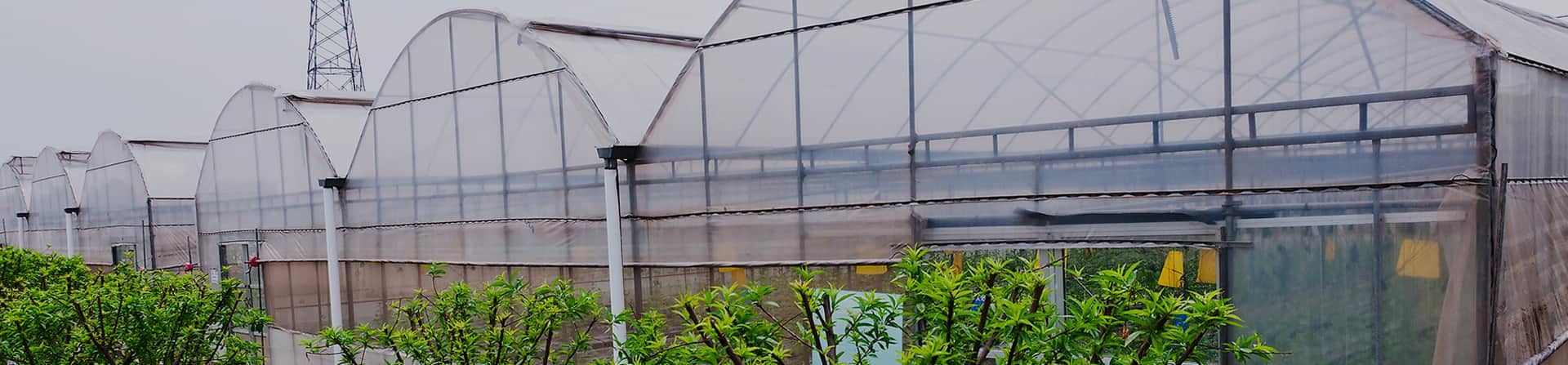
Enhancing Crop Protection: The Benefits of Anti-Insect Nets in Agriculture
In the realm of modern agriculture, the integration of effective pest control measures is paramount for ensuring crop health and maximizing yields. One innovative solution gaining traction among agricultural professionals is the use of anti-insect nets. By creating a physical barrier between crops and pests, these nets play a crucial role in protecting plants from harmful insects, thereby enhancing productivity and sustainability in farming operations.
Anti-insect nets are typically made from lightweight materials that allow light and air to penetrate while effectively excluding insects. This unique design not only safeguards crops from pests but also helps maintain a controlled microclimate. By reducing the incidence of pest infestations, farmers can minimize their reliance on chemical pesticides, leading to a healthier ecosystem. This is particularly beneficial for organic farming practices, where maintaining the integrity of the crops is essential.
One of the most significant advantages of using anti-insect nets is their ability to prevent the spread of diseases carried by various insects. For example, certain pests are known to transmit viruses and bacteria that can devastate entire crops. By employing these nets, farmers can significantly reduce the risk of such diseases, ensuring healthier yields and contributing to food security.
In addition to pest control, anti-insect nets provide protection against environmental factors. They can shield crops from extreme weather conditions, such as heavy rainfall or hail, which can cause physical damage. This protective layer enhances the resilience of crops, allowing them to thrive even in challenging conditions.
When considering the implementation of anti-insect nets, it is crucial to select the appropriate specifications. Factors such as mesh size, material durability, and installation methods can significantly influence the effectiveness of the nets. A well-designed anti-insect net should allow beneficial insects to pass through while keeping out harmful pests, ensuring a balanced ecosystem within the agricultural environment.
Furthermore, anti-insect nets can be utilized in various agricultural settings, including greenhouses, open fields, and nurseries. Their versatility makes them an ideal choice for a wide range of crops, from fruits and vegetables to ornamental plants. As agricultural practices continue to evolve, integrating anti-insect nets into pest management strategies offers a sustainable solution that aligns with the growing demand for eco-friendly farming techniques.
In conclusion, anti-insect nets represent a vital tool for modern agriculture, offering effective pest control while promoting healthier crop growth. By investing in this innovative solution, agricultural professionals can enhance their productivity, protect their crops, and contribute to a more sustainable farming future. Embracing this technology not only benefits individual farms but also supports the overarching goal of achieving food security on a global scale.
Anti-insect nets are typically made from lightweight materials that allow light and air to penetrate while effectively excluding insects. This unique design not only safeguards crops from pests but also helps maintain a controlled microclimate. By reducing the incidence of pest infestations, farmers can minimize their reliance on chemical pesticides, leading to a healthier ecosystem. This is particularly beneficial for organic farming practices, where maintaining the integrity of the crops is essential.
One of the most significant advantages of using anti-insect nets is their ability to prevent the spread of diseases carried by various insects. For example, certain pests are known to transmit viruses and bacteria that can devastate entire crops. By employing these nets, farmers can significantly reduce the risk of such diseases, ensuring healthier yields and contributing to food security.
In addition to pest control, anti-insect nets provide protection against environmental factors. They can shield crops from extreme weather conditions, such as heavy rainfall or hail, which can cause physical damage. This protective layer enhances the resilience of crops, allowing them to thrive even in challenging conditions.
When considering the implementation of anti-insect nets, it is crucial to select the appropriate specifications. Factors such as mesh size, material durability, and installation methods can significantly influence the effectiveness of the nets. A well-designed anti-insect net should allow beneficial insects to pass through while keeping out harmful pests, ensuring a balanced ecosystem within the agricultural environment.
Furthermore, anti-insect nets can be utilized in various agricultural settings, including greenhouses, open fields, and nurseries. Their versatility makes them an ideal choice for a wide range of crops, from fruits and vegetables to ornamental plants. As agricultural practices continue to evolve, integrating anti-insect nets into pest management strategies offers a sustainable solution that aligns with the growing demand for eco-friendly farming techniques.
In conclusion, anti-insect nets represent a vital tool for modern agriculture, offering effective pest control while promoting healthier crop growth. By investing in this innovative solution, agricultural professionals can enhance their productivity, protect their crops, and contribute to a more sustainable farming future. Embracing this technology not only benefits individual farms but also supports the overarching goal of achieving food security on a global scale.
Key words:
Related News


CONTACT US
Email: sales8@meyabond.com
Tel: +8618911966213
No.3 Yard, ZhongHe Road, 100071,FengTai District, Beijing, China
Email: sales8@meyabond.com
Tel: +8618911966213
No.3 Yard, ZhongHe Road, 100071,FengTai District, Beijing, China
Meyabond Industry
You can trust.
Contact Us
Address:
No.3 Yard, ZhongHe Road, 100071,FengTai District, Beijing, China