


language
English
العربية
বাংলাদেশ
Български
Hrvatski
Česky
Dansk
Nederland
 Esperanto
Slovenski
Filipino
Suomi
Français
Maori
 Shqiptare
Georgian
 Euskara
Deutsch
Ελλάδα
ישראל
इंडिया
Magyarország
Ísland
Indonesia
Irlanda
Italia
日本語
Sovensko
Հայաստան
한국
Kyrgyz
ປະເທດລາວ
 Zulu
Zulu
Latvian
Lithuanian
Luxembourgish
 Latinus
Macedonian
Малайская
Maltese
Монгол улс
 Cymraeg
ဗမာ
 தமிழ்
தமிழ்
नेपाल
Norge
ایران
Polska
Portugal
România
Российская
Србија
 Slovak
Србија
 Slovak
Bosanski
Slovenian
Беларус
España
Sverige
Точик
ประเทศไทย
Türk
Azərbaycan
Uzbek
 Afrikaans
Việt Nam
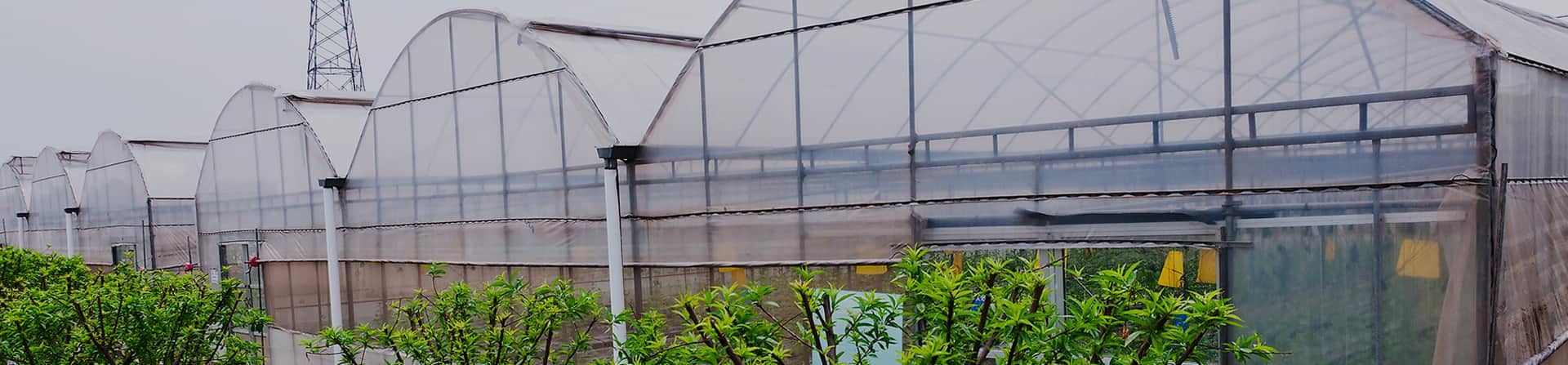
Maximizing Greenhouse Efficiency with Anti-Insect Nets
In the realm of modern agriculture, especially in greenhouse cultivation, the use of anti-insect nets has become an essential practice for safeguarding crops. These specialized nets serve multiple purposes, primarily acting as a barrier against harmful pests while allowing essential environmental factors, such as sunlight and moisture, to penetrate. Here, we delve into the critical aspects of using anti-insect nets for greenhouses and how they can significantly benefit farmers and horticulturists alike.
Firstly, one of the primary advantages of implementing anti-insect nets is the enhanced protection they offer. These nets can effectively prevent a wide range of pests, including aphids, whiteflies, and thrips, from infiltrating the greenhouse environment. With fewer pests present, the reliance on chemical pesticides can be greatly diminished, promoting a healthier ecosystem. This pest control method not only preserves crop integrity but also fosters a more sustainable agricultural approach, aligning with current demands for organic and environmentally friendly practices.
In addition to pest protection, anti-insect nets can contribute to better air circulation within the greenhouse. Proper airflow is crucial for maintaining optimal growing conditions, reducing humidity levels, and preventing diseases such as mold and mildew. By allowing air to flow freely while blocking insects, these nets help create a more controlled growing environment, which is vital for maximizing plant health and productivity.
Moreover, the implementation of anti-insect nets can lead to higher overall crop yields. By protecting plants from pest damage, growers can expect improved growth rates and fruit quality. This is particularly important for high-value crops, where even minor pest infestations can severely impact marketability. The use of these nets can also allow for extended growing seasons, as the reduced pest pressure enables earlier planting and prolonged harvesting times.
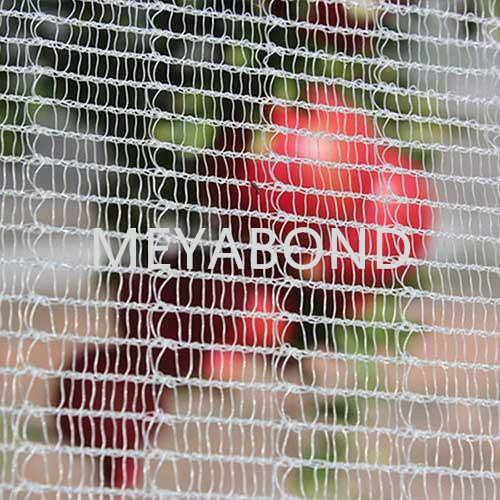
When selecting anti-insect nets for greenhouse use, it's essential to consider factors such as mesh size, material durability, and UV resistance. The mesh size should be appropriate for the specific pests you aim to exclude while ensuring it does not hinder light penetration. Durable materials that can withstand environmental stressors are crucial for long-term use, as they provide a cost-effective solution over time.
In conclusion, anti-insect nets for greenhouses represent a vital tool for modern agricultural practices. They not only protect crops from pests but also contribute to better air circulation, increased yields, and sustainability in farming. By integrating these nets into your greenhouse management strategy, you can enhance both the productivity and health of your crops, paving the way for a more efficient and eco-friendly agricultural future.
Firstly, one of the primary advantages of implementing anti-insect nets is the enhanced protection they offer. These nets can effectively prevent a wide range of pests, including aphids, whiteflies, and thrips, from infiltrating the greenhouse environment. With fewer pests present, the reliance on chemical pesticides can be greatly diminished, promoting a healthier ecosystem. This pest control method not only preserves crop integrity but also fosters a more sustainable agricultural approach, aligning with current demands for organic and environmentally friendly practices.
In addition to pest protection, anti-insect nets can contribute to better air circulation within the greenhouse. Proper airflow is crucial for maintaining optimal growing conditions, reducing humidity levels, and preventing diseases such as mold and mildew. By allowing air to flow freely while blocking insects, these nets help create a more controlled growing environment, which is vital for maximizing plant health and productivity.
Moreover, the implementation of anti-insect nets can lead to higher overall crop yields. By protecting plants from pest damage, growers can expect improved growth rates and fruit quality. This is particularly important for high-value crops, where even minor pest infestations can severely impact marketability. The use of these nets can also allow for extended growing seasons, as the reduced pest pressure enables earlier planting and prolonged harvesting times.
When selecting anti-insect nets for greenhouse use, it's essential to consider factors such as mesh size, material durability, and UV resistance. The mesh size should be appropriate for the specific pests you aim to exclude while ensuring it does not hinder light penetration. Durable materials that can withstand environmental stressors are crucial for long-term use, as they provide a cost-effective solution over time.
In conclusion, anti-insect nets for greenhouses represent a vital tool for modern agricultural practices. They not only protect crops from pests but also contribute to better air circulation, increased yields, and sustainability in farming. By integrating these nets into your greenhouse management strategy, you can enhance both the productivity and health of your crops, paving the way for a more efficient and eco-friendly agricultural future.
Key words:
Related News

CONTACT US
Email: sales8@meyabond.com
Tel: +8618911966213
No.3 Yard, ZhongHe Road, 100071,FengTai District, Beijing, China
Email: sales8@meyabond.com
Tel: +8618911966213
No.3 Yard, ZhongHe Road, 100071,FengTai District, Beijing, China
Meyabond Industry
You can trust.
Contact Us
Address:
No.3 Yard, ZhongHe Road, 100071,FengTai District, Beijing, China