


language
English
العربية
বাংলাদেশ
Български
Hrvatski
Česky
Dansk
Nederland
 Esperanto
Slovenski
Filipino
Suomi
Français
Maori
 Shqiptare
Georgian
 Euskara
Deutsch
Ελλάδα
ישראל
इंडिया
Magyarország
Ísland
Indonesia
Irlanda
Italia
日本語
Sovensko
Հայաստան
한국
Kyrgyz
ປະເທດລາວ
 Zulu
Zulu
Latvian
Lithuanian
Luxembourgish
 Latinus
Macedonian
Малайская
Maltese
Монгол улс
 Cymraeg
ဗမာ
 தமிழ்
தமிழ்
नेपाल
Norge
ایران
Polska
Portugal
România
Российская
Србија
 Slovak
Србија
 Slovak
Bosanski
Slovenian
Беларус
España
Sverige
Точик
ประเทศไทย
Türk
Azərbaycan
Uzbek
 Afrikaans
Việt Nam
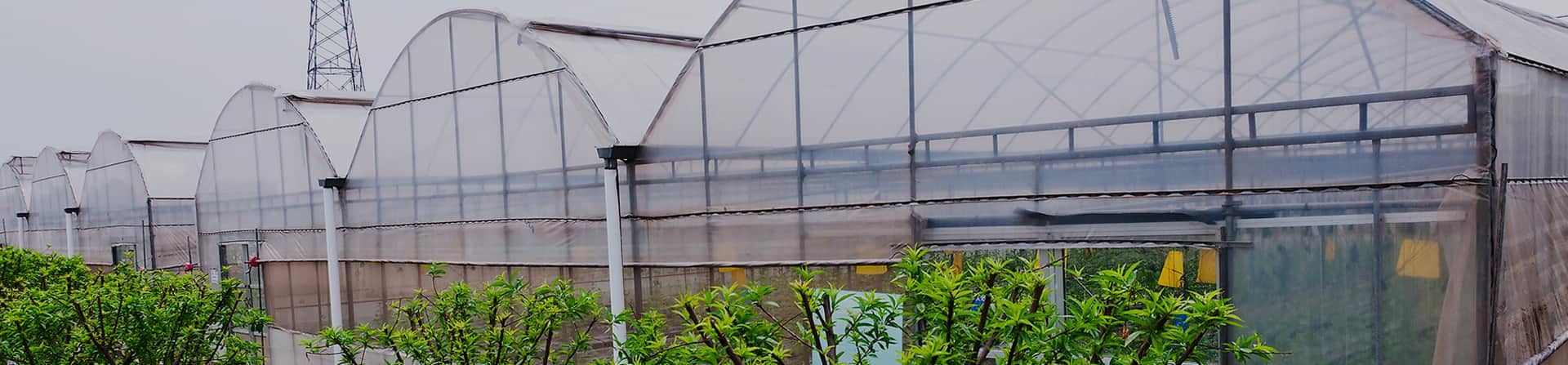
Maximizing Crop Protection with Anti UV Anti Hail Nets
In the realm of modern agriculture, ensuring the health and productivity of crops is paramount. One effective solution to combat environmental challenges is the use of anti UV anti hail nets. These specialized nets are designed to offer dual protection: they shield crops from harmful ultraviolet (UV) rays while also providing a barrier against hail damage. Understanding the benefits and applications of these nets can significantly contribute to improved agricultural practices.
Anti UV anti hail nets are crafted from materials that reflect harmful UV radiation, thus preventing it from penetrating and damaging plant tissues. UV rays can lead to a range of issues, including stunted growth, leaf burn, and reduced photosynthesis. By employing these nets, farmers can create a more favorable microclimate for their crops, facilitating optimal growth conditions and enhancing overall crop health.
In addition to UV protection, these nets are particularly effective against hail, a common concern for many farmers. Hailstorms can devastate crops in a matter of minutes, causing irreparable damage and financial loss. The physical barrier created by anti UV anti hail nets can significantly reduce the impact of hail, ensuring that crops are shielded from the worst effects of severe weather. This protective feature is especially beneficial in regions prone to sudden hailstorms, making it a vital investment for many agricultural operations.
Moreover, the use of these nets can also help in regulating temperature and humidity around the crops. By reducing the intensity of sunlight that reaches the plants, anti UV anti hail nets can help maintain cooler temperatures during hot summer months. This regulation not only aids in preventing heat stress but also assists in retaining soil moisture, which is crucial for healthy plant development. The improved humidity levels can further promote a conducive environment for plant growth, ultimately leading to higher yields.
Implementing anti UV anti hail nets is a straightforward process. Farmers can install these nets over their crops, ensuring proper tension and support to maximize coverage. It's essential to choose the right mesh size and density, as these factors play a crucial role in providing adequate protection while allowing necessary airflow and light penetration.
In conclusion, anti UV anti hail nets serve as an invaluable tool for farmers looking to enhance crop resilience against environmental adversities. By investing in these protective nets, growers can mitigate the risks associated with UV exposure and hail damage, fostering healthier plants and increasing productivity. Embracing such innovations not only supports sustainable agricultural practices but also paves the way for a more secure food supply chain.
Anti UV anti hail nets are crafted from materials that reflect harmful UV radiation, thus preventing it from penetrating and damaging plant tissues. UV rays can lead to a range of issues, including stunted growth, leaf burn, and reduced photosynthesis. By employing these nets, farmers can create a more favorable microclimate for their crops, facilitating optimal growth conditions and enhancing overall crop health.
In addition to UV protection, these nets are particularly effective against hail, a common concern for many farmers. Hailstorms can devastate crops in a matter of minutes, causing irreparable damage and financial loss. The physical barrier created by anti UV anti hail nets can significantly reduce the impact of hail, ensuring that crops are shielded from the worst effects of severe weather. This protective feature is especially beneficial in regions prone to sudden hailstorms, making it a vital investment for many agricultural operations.
Moreover, the use of these nets can also help in regulating temperature and humidity around the crops. By reducing the intensity of sunlight that reaches the plants, anti UV anti hail nets can help maintain cooler temperatures during hot summer months. This regulation not only aids in preventing heat stress but also assists in retaining soil moisture, which is crucial for healthy plant development. The improved humidity levels can further promote a conducive environment for plant growth, ultimately leading to higher yields.
Implementing anti UV anti hail nets is a straightforward process. Farmers can install these nets over their crops, ensuring proper tension and support to maximize coverage. It's essential to choose the right mesh size and density, as these factors play a crucial role in providing adequate protection while allowing necessary airflow and light penetration.
In conclusion, anti UV anti hail nets serve as an invaluable tool for farmers looking to enhance crop resilience against environmental adversities. By investing in these protective nets, growers can mitigate the risks associated with UV exposure and hail damage, fostering healthier plants and increasing productivity. Embracing such innovations not only supports sustainable agricultural practices but also paves the way for a more secure food supply chain.
Key words:
Related News
CONTACT US
Email: sales8@meyabond.com
Tel: +8618911966213
No.3 Yard, ZhongHe Road, 100071,FengTai District, Beijing, China
Email: sales8@meyabond.com
Tel: +8618911966213
No.3 Yard, ZhongHe Road, 100071,FengTai District, Beijing, China
Meyabond Industry
You can trust.
Contact Us
Address:
No.3 Yard, ZhongHe Road, 100071,FengTai District, Beijing, China