


language
English
العربية
বাংলাদেশ
Български
Hrvatski
Česky
Dansk
Nederland
 Esperanto
Slovenski
Filipino
Suomi
Français
Maori
 Shqiptare
Georgian
 Euskara
Deutsch
Ελλάδα
ישראל
इंडिया
Magyarország
Ísland
Indonesia
Irlanda
Italia
日本語
Sovensko
Հայաստան
한국
Kyrgyz
ປະເທດລາວ
 Zulu
Zulu
Latvian
Lithuanian
Luxembourgish
 Latinus
Macedonian
Малайская
Maltese
Монгол улс
 Cymraeg
ဗမာ
 தமிழ்
தமிழ்
नेपाल
Norge
ایران
Polska
Portugal
România
Российская
Србија
 Slovak
Србија
 Slovak
Bosanski
Slovenian
Беларус
España
Sverige
Точик
ประเทศไทย
Türk
Azərbaycan
Uzbek
 Afrikaans
Việt Nam
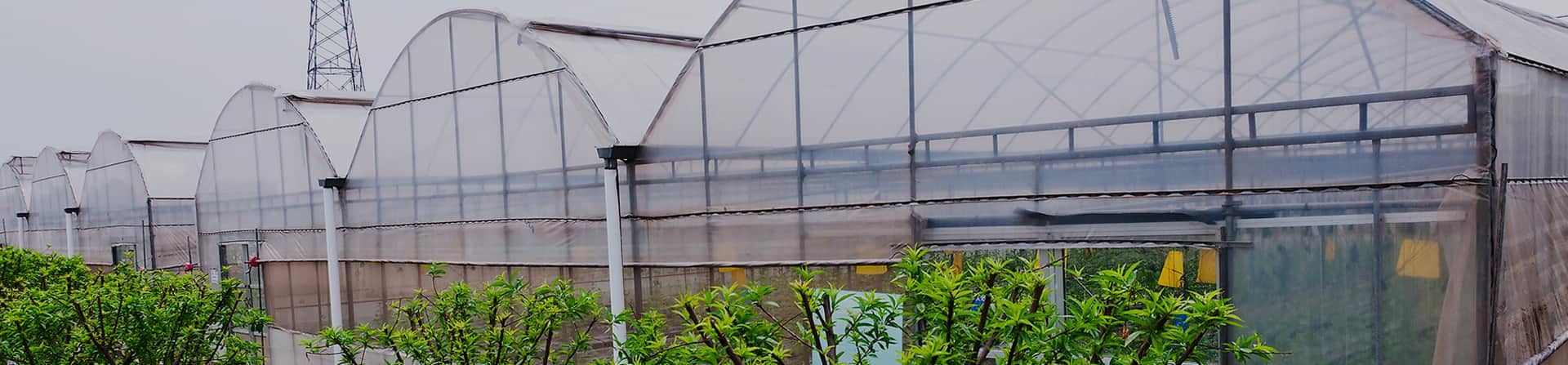
Maximizing Tree Health with Anti-Insect Net Tree Protection Solutions
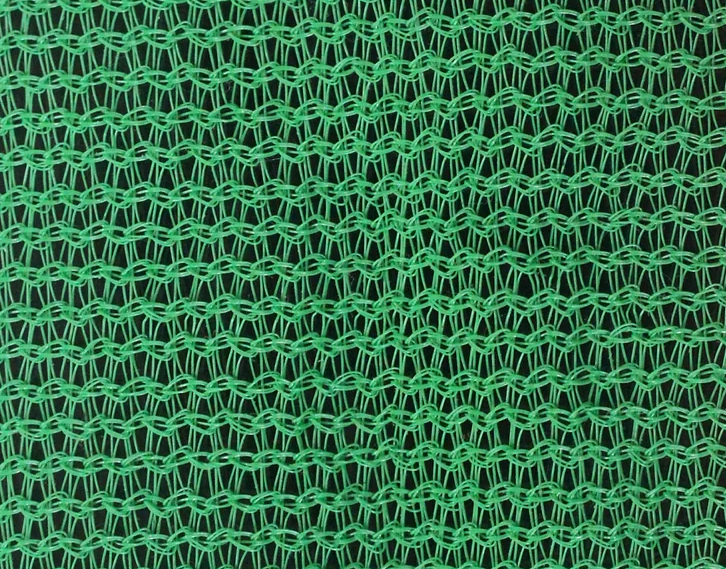
When it comes to safeguarding trees from harmful pests, anti-insect net tree protection nets stand out as an essential tool in modern agricultural practices. These nets serve as a barrier, preventing insects from accessing the foliage and fruit of trees, thus reducing the chances of infestations that could ultimately damage crops. Over the years, the importance of these nets has become increasingly recognized, as they contribute significantly to sustainable farming and effective pest management strategies.
The primary function of anti-insect nets is to create a physical barrier that inhibits flying pests, such as aphids, moths, and beetles, from reaching the trees. This is particularly crucial during the critical growth phases of fruit-bearing trees, where even minor infestations can lead to substantial yield losses. By employing these protective nets, farmers can significantly reduce the reliance on chemical pesticides, promoting a more organic approach to pest management that is not only safer for the environment but also beneficial for the health of consumers.
Another advantage of anti-insect nets is their ability to provide shade and regulate temperature around the trees. This is especially beneficial in regions that experience extreme weather conditions. The nets can help to moderate temperature fluctuations, reducing heat stress on trees during hot spells and minimizing frost damage during colder months. By maintaining a more stable microclimate, these nets support optimal growth conditions and enhance the overall resilience of the trees.
Moreover, anti-insect nets are designed to be durable and weather-resistant, making them a worthwhile investment for farmers looking to protect their crops in the long run. These nets are typically made from high-density polyethylene or similar materials, which offer excellent strength while allowing sunlight and rainfall to reach the plants. This ensures that the trees receive the necessary nutrients for healthy growth while remaining protected from pests.
Implementing anti-insect net tree protection nets can also provide additional economic benefits. By reducing pest-related crop damage, farmers can expect higher yields and improved fruit quality. This not only increases the profitability of their operations but also enhances the marketability of their produce, as healthier fruits and vegetables tend to attract higher prices in the marketplace.
In conclusion, anti-insect net tree protection nets are an invaluable asset in the agricultural sector. They provide an effective solution for pest management, promote healthier trees, and support sustainable farming practices. As agriculture continues to evolve, integrating such protective measures will be essential for ensuring the long-term viability and success of tree cultivation. Adopting these nets can lead to a more productive and environmentally friendly farming approach, ultimately benefiting both growers and consumers alike.
The primary function of anti-insect nets is to create a physical barrier that inhibits flying pests, such as aphids, moths, and beetles, from reaching the trees. This is particularly crucial during the critical growth phases of fruit-bearing trees, where even minor infestations can lead to substantial yield losses. By employing these protective nets, farmers can significantly reduce the reliance on chemical pesticides, promoting a more organic approach to pest management that is not only safer for the environment but also beneficial for the health of consumers.
Another advantage of anti-insect nets is their ability to provide shade and regulate temperature around the trees. This is especially beneficial in regions that experience extreme weather conditions. The nets can help to moderate temperature fluctuations, reducing heat stress on trees during hot spells and minimizing frost damage during colder months. By maintaining a more stable microclimate, these nets support optimal growth conditions and enhance the overall resilience of the trees.
Moreover, anti-insect nets are designed to be durable and weather-resistant, making them a worthwhile investment for farmers looking to protect their crops in the long run. These nets are typically made from high-density polyethylene or similar materials, which offer excellent strength while allowing sunlight and rainfall to reach the plants. This ensures that the trees receive the necessary nutrients for healthy growth while remaining protected from pests.
Implementing anti-insect net tree protection nets can also provide additional economic benefits. By reducing pest-related crop damage, farmers can expect higher yields and improved fruit quality. This not only increases the profitability of their operations but also enhances the marketability of their produce, as healthier fruits and vegetables tend to attract higher prices in the marketplace.
In conclusion, anti-insect net tree protection nets are an invaluable asset in the agricultural sector. They provide an effective solution for pest management, promote healthier trees, and support sustainable farming practices. As agriculture continues to evolve, integrating such protective measures will be essential for ensuring the long-term viability and success of tree cultivation. Adopting these nets can lead to a more productive and environmentally friendly farming approach, ultimately benefiting both growers and consumers alike.
Key words:
Related News

CONTACT US
Email: sales8@meyabond.com
Tel: +8618911966213
No.3 Yard, ZhongHe Road, 100071,FengTai District, Beijing, China
Email: sales6@meyabond.com
Tel: +8618911963856
No.3 Yard, ZhongHe Road, 100071,FengTai District, Beijing, China
Meyabond Industry
You can trust.
Contact Us
Address:
No.3 Yard, ZhongHe Road, 100071,FengTai District, Beijing, China