


language
English
العربية
বাংলাদেশ
Български
Hrvatski
Česky
Dansk
Nederland
 Esperanto
Slovenski
Filipino
Suomi
Français
Maori
 Shqiptare
Georgian
 Euskara
Deutsch
Ελλάδα
ישראל
इंडिया
Magyarország
Ísland
Indonesia
Irlanda
Italia
日本語
Sovensko
Հայաստան
한국
Kyrgyz
ປະເທດລາວ
 Zulu
Zulu
Latvian
Lithuanian
Luxembourgish
 Latinus
Macedonian
Малайская
Maltese
Монгол улс
 Cymraeg
ဗမာ
 தமிழ்
தமிழ்
नेपाल
Norge
ایران
Polska
Portugal
România
Российская
Србија
 Slovak
Србија
 Slovak
Bosanski
Slovenian
Беларус
España
Sverige
Точик
ประเทศไทย
Türk
Azərbaycan
Uzbek
 Afrikaans
Việt Nam
Maximizing Crop Protection with Insect Nets: The Benefits of Mallas Antiafidos
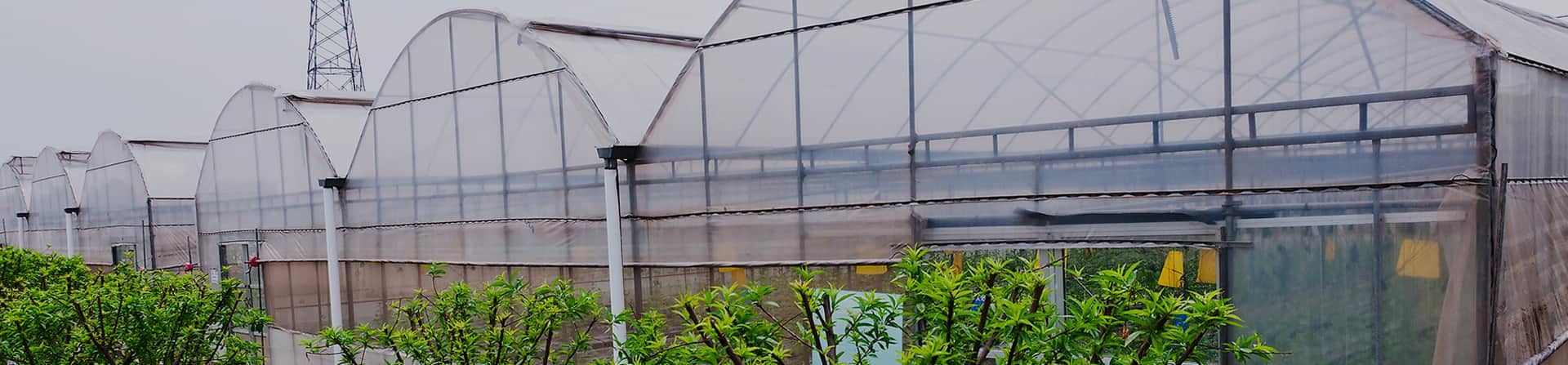
Mallas antiafidos insect nets, also known as anti-insect nets, play a significant role in modern agricultural practices, especially in controlled environments like greenhouses. These nets are designed to keep unwanted pests away from crops, ensuring that plants can thrive without the constant threat of infestation.
One of the primary benefits of using insect nets is their ability to provide physical protection against a variety of pests, including aphids, whiteflies, and caterpillars. By creating a barrier between the crops and the surrounding environment, these nets significantly reduce the chance of pest-related damage. This is particularly important for high-value crops, where even minor pest infestations can lead to substantial financial losses.
In addition to pest control, mallas antiafidos insect nets also facilitate air circulation and light penetration, which are vital for plant health. Unlike chemical pesticides, these nets do not interfere with the natural pollination process, allowing beneficial insects such as bees to access the crops easily. This aspect not only helps in maintaining the ecosystem but also promotes biodiversity, which is essential for sustainable agriculture.
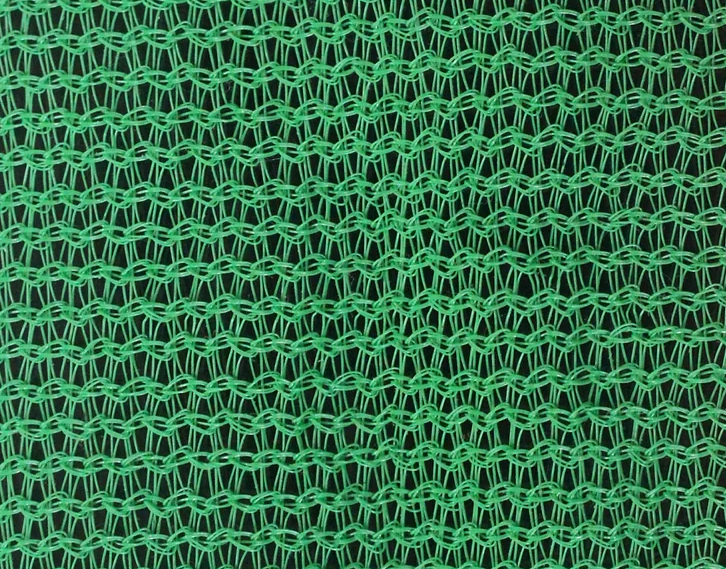
When selecting insect nets, it's important to consider factors such as mesh size, durability, and UV resistance. A net with an appropriate mesh size will effectively block smaller pests while allowing air and light to pass through. Durability is crucial, as the nets will be exposed to various weather conditions, and UV resistance ensures that they last longer without degrading.
For optimal results, it is essential to implement best practices when using mallas antiafidos insect nets. This includes properly installing the nets to ensure there are no gaps that pests can exploit. Regular maintenance checks should also be conducted to identify any wear and tear that may compromise the effectiveness of the nets. Additionally, integrating the use of insect nets with other pest management strategies can enhance overall effectiveness.
In conclusion, integrating mallas antiafidos insect nets into your farming practices can lead to healthier crops and higher yields while minimizing the reliance on chemical pest control methods. By understanding the advantages and best practices of these insect nets, farmers can significantly improve their crop protection strategies, ensuring a sustainable and productive agricultural endeavor. Adopting such innovative solutions is crucial for navigating the challenges of modern farming and achieving long-term success.
One of the primary benefits of using insect nets is their ability to provide physical protection against a variety of pests, including aphids, whiteflies, and caterpillars. By creating a barrier between the crops and the surrounding environment, these nets significantly reduce the chance of pest-related damage. This is particularly important for high-value crops, where even minor pest infestations can lead to substantial financial losses.
In addition to pest control, mallas antiafidos insect nets also facilitate air circulation and light penetration, which are vital for plant health. Unlike chemical pesticides, these nets do not interfere with the natural pollination process, allowing beneficial insects such as bees to access the crops easily. This aspect not only helps in maintaining the ecosystem but also promotes biodiversity, which is essential for sustainable agriculture.
When selecting insect nets, it's important to consider factors such as mesh size, durability, and UV resistance. A net with an appropriate mesh size will effectively block smaller pests while allowing air and light to pass through. Durability is crucial, as the nets will be exposed to various weather conditions, and UV resistance ensures that they last longer without degrading.
For optimal results, it is essential to implement best practices when using mallas antiafidos insect nets. This includes properly installing the nets to ensure there are no gaps that pests can exploit. Regular maintenance checks should also be conducted to identify any wear and tear that may compromise the effectiveness of the nets. Additionally, integrating the use of insect nets with other pest management strategies can enhance overall effectiveness.
In conclusion, integrating mallas antiafidos insect nets into your farming practices can lead to healthier crops and higher yields while minimizing the reliance on chemical pest control methods. By understanding the advantages and best practices of these insect nets, farmers can significantly improve their crop protection strategies, ensuring a sustainable and productive agricultural endeavor. Adopting such innovative solutions is crucial for navigating the challenges of modern farming and achieving long-term success.
Key words:
Related News


CONTACT US
Email: sales8@meyabond.com
Tel: +8618911966213
No.3 Yard, ZhongHe Road, 100071,FengTai District, Beijing, China
Email: sales6@meyabond.com
Tel: +8618911963856
No.3 Yard, ZhongHe Road, 100071,FengTai District, Beijing, China
Meyabond Industry
You can trust.
Contact Us
Address:
No.3 Yard, ZhongHe Road, 100071,FengTai District, Beijing, China