


 Esperanto
 Shqiptare
 Euskara
 Zulu
Zulu
 Latinus
 Cymraeg
 தமிழ்
தமிழ்
 Slovak
 Slovak
 Afrikaans
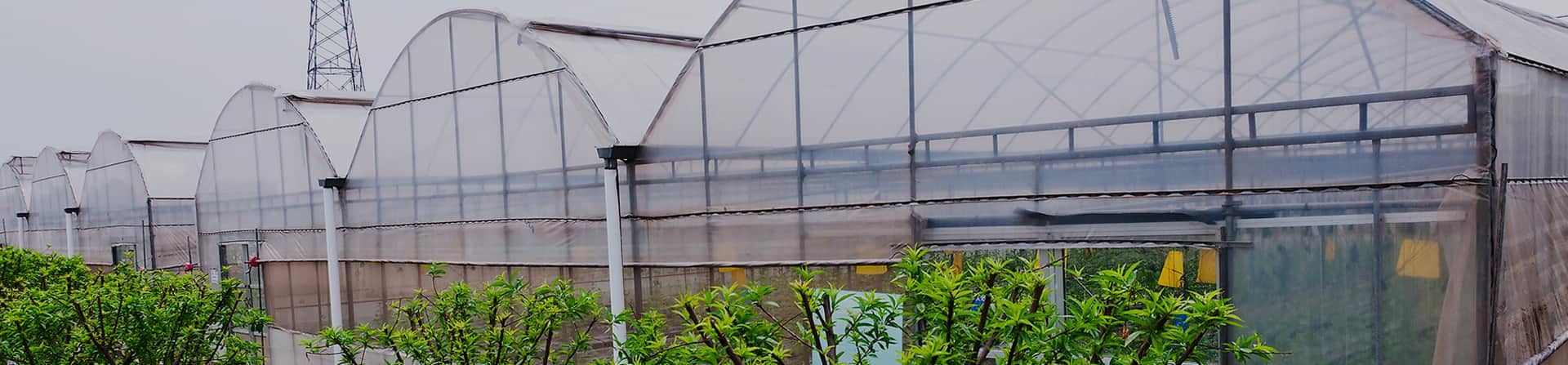
Cover Nets vs. Traditional Pest Control Methods: Which is Better?
Cover Nets vs. Traditional Pest Control Methods: Which is Better?
The agricultural sector continuously seeks effective pest management strategies to protect crops and ensure sustainable food production. Among the various methods available, **cover nets** and traditional pest control techniques present two distinct approaches. This article examines these strategies in detail, offering insights into their effectiveness, environmental impact, and overall benefits for farmers.
Understanding Pest Control in Agriculture
Pest control is a crucial aspect of modern farming, as pests can significantly affect crop yield and quality. The methods used for pest control can broadly be categorized into two types: traditional methods, which often involve chemical pesticides, and more innovative approaches like cover nets. Understanding the implications of both methods helps in making informed decisions for crop management.
What are Traditional Pest Control Methods?
Traditional pest control methods primarily involve the use of **chemical pesticides**. These chemicals are designed to kill or repel pests that threaten crops. While traditional methods may provide quick results, they come with several drawbacks that can affect their long-term viability.
Types of Traditional Pest Control Methods
- Insecticides: Chemicals specifically formulated to target insects.
- Herbicides: Used to control unwanted plants that compete for nutrients.
- Fungicides: Target fungi that can be harmful to crops.
- Rodenticides: Used to manage rodent populations that can damage crops.
Advantages of Traditional Pest Control Methods
- Immediate Results: Chemical applications often yield rapid reductions in pest populations.
- Broad Spectrum: Many pesticides can target a wide variety of pests.
- Cost-Effective for Large Scale: Traditional methods can be less expensive in the short term, especially for large farms.
Disadvantages of Traditional Pest Control Methods
- Environmental Impact: Chemical runoff can harm local ecosystems.
- Pest Resistance: Over time, pests can develop resistance to commonly used chemicals.
- Health Risks: Exposure to pesticides can pose health risks to farm workers and consumers.
What are Cover Nets?
**Cover nets** are agricultural barriers made from various materials, designed to protect crops without the need for chemical treatments. These nets can be used to physically block pests from accessing the plants while allowing sunlight and rain to reach them.
Types of Cover Nets
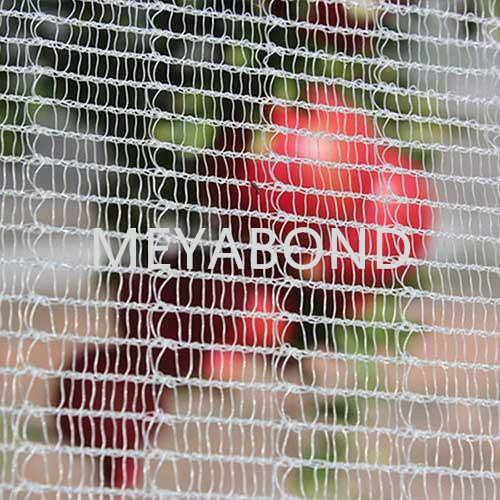
- Insect Mesh Nets: Fine mesh that prevents small insects from reaching crops.
- Shade Nets: Used to protect crops from excessive sunlight and heat.
- Bird Nets: Designed to keep birds away from ripe fruits.
Advantages of Cover Nets
- Environmental Sustainability: Cover nets are eco-friendly, reducing the need for chemical inputs.
- Integrated Pest Management: Can be part of a broader pest management strategy, working alongside biological controls.
- Worker Safety: Reduced exposure to harmful chemicals protects farm workers and consumers.
- Long-Term Efficacy: Nets can last multiple growing seasons with proper care.
Disadvantages of Cover Nets
- Initial Cost: The upfront investment for quality nets can be significant.
- Labor-Intensive Installation: Setting up cover nets can require more labor compared to spraying chemicals.
- Maintenance Required: Nets can be damaged by weather or pests, requiring ongoing maintenance.
Comparing Effectiveness: Cover Nets vs. Traditional Methods
When comparing these two pest control strategies, several factors should be considered, including **effectiveness**, **cost**, and **sustainability**.
Effectiveness Against Pests
Cover nets can effectively block a variety of pests, including insects and birds, providing a physical barrier that traditional methods cannot offer. However, the effectiveness can vary depending on the type of pest and environmental conditions. Traditional pest control methods may offer quick results, but the risks of chemical resistance and environmental harm can outweigh their immediate benefits.
Cost Analysis
The initial cost of cover nets may be higher than purchasing chemical pesticides, but they can provide long-term savings. Once installed, they require minimal additional investment, whereas traditional methods often incur ongoing costs for chemical purchases and application.
Environmental Considerations
Cover nets are an environmentally sustainable solution to pest management. They contribute to biodiversity and reduce chemical runoff, protecting local ecosystems. In contrast, traditional pest control methods can lead to soil and water pollution, harming beneficial insects and other wildlife.
Integration of Cover Nets into Farming Practices
Farmers looking to improve pest management should consider integrating cover nets into their practices. Here are some strategies for doing so:
1. Assess Crop Needs
Understand the specific pests and environmental conditions affecting your crops. This will help determine the appropriate type of cover net to use.
2. Combine Methods
Utilize cover nets in conjunction with other sustainable practices, such as crop rotation and biological pest control, to create a holistic pest management strategy.
3. Regular Monitoring
Monitor crops regularly to assess the effectiveness of the cover nets and make adjustments as needed. This can help ensure optimal pest control while minimizing risks.
4. Educate and Train Staff
Provide training for farm workers on the proper installation and maintenance of cover nets to maximize their effectiveness and lifespan.
Frequently Asked Questions (FAQs)
1. How long do cover nets last?
With proper care and maintenance, cover nets can last several growing seasons, making them a worthwhile investment for pest management.
2. Are cover nets effective against all types of pests?
While cover nets are effective against many flying insects and birds, they may not be suitable for all pests, such as soil-born insects.
3. What is the installation process for cover nets?
Installation usually involves securing the netting over the crop area and ensuring there are no gaps where pests can enter.
4. Can I use cover nets in conjunction with pesticides?
Yes, cover nets can be part of a broader integrated pest management strategy, complementing chemical treatments when necessary.
5. What are the maintenance requirements for cover nets?
Regular inspections for tears or damage, along with cleaning to remove debris, will help maintain the effectiveness of cover nets.
Conclusion
When it comes to pest control in agriculture, **cover nets** present a sustainable and effective alternative to traditional methods. While both strategies have their advantages and disadvantages, cover nets offer a promising solution that aligns with modern agricultural practices aimed at reducing environmental impact and enhancing crop safety. By evaluating your specific farming needs and considering the long-term implications of pest control methods, you can make informed decisions that benefit both your crops and the environment.
Key words:
Related News

CONTACT US
Email: sales8@meyabond.com
Tel: +8618911966213
No.3 Yard, ZhongHe Road, 100071,FengTai District, Beijing, China
Email: sales8@meyabond.com
Tel: +8618911966213
No.3 Yard, ZhongHe Road, 100071,FengTai District, Beijing, China
Meyabond Industry
You can trust.
Contact Us
Address:
No.3 Yard, ZhongHe Road, 100071,FengTai District, Beijing, China