


language
English
العربية
বাংলাদেশ
Български
Hrvatski
Česky
Dansk
Nederland
 Esperanto
Slovenski
Filipino
Suomi
Français
Maori
 Shqiptare
Georgian
 Euskara
Deutsch
Ελλάδα
ישראל
इंडिया
Magyarország
Ísland
Indonesia
Irlanda
Italia
日本語
Sovensko
Հայաստան
한국
Kyrgyz
ປະເທດລາວ
 Zulu
Zulu
Latvian
Lithuanian
Luxembourgish
 Latinus
Macedonian
Малайская
Maltese
Монгол улс
 Cymraeg
ဗမာ
 தமிழ்
தமிழ்
नेपाल
Norge
ایران
Polska
Portugal
România
Российская
Србија
 Slovak
Србија
 Slovak
Bosanski
Slovenian
Беларус
España
Sverige
Точик
ประเทศไทย
Türk
Azərbaycan
Uzbek
 Afrikaans
Việt Nam
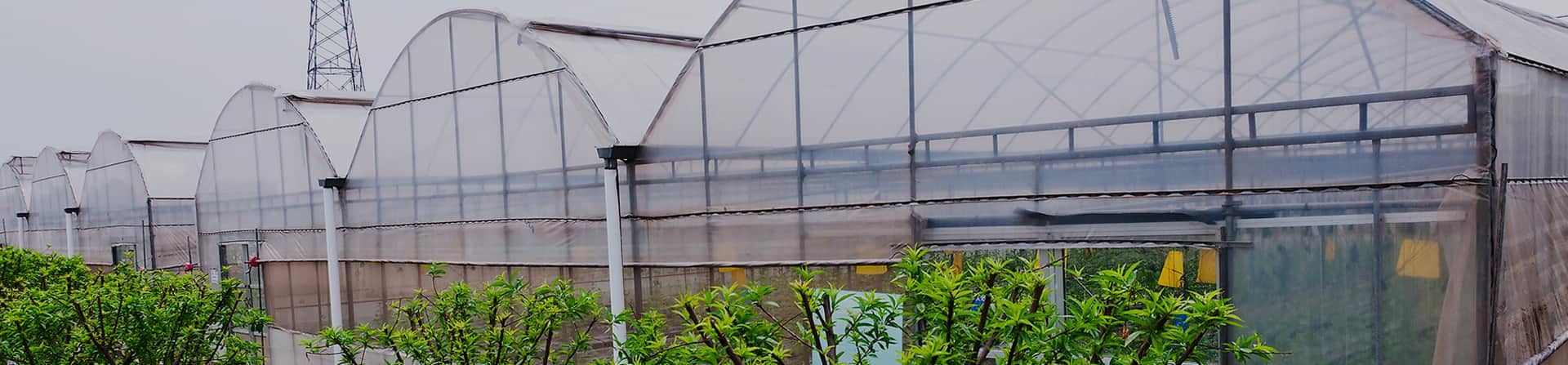
Enhancing Agricultural Efficiency with Protective Covers
Protective covers play a pivotal role in the realm of agricultural food production, especially within the context of facility farming. These covers serve as a vital line of defense against a myriad of environmental challenges that threaten crop growth and quality. By acting as a shield against adverse weather conditions, including frost, excessive sunlight, and heavy rainfall, protective covers help to create an optimal microclimate for various plants.
One significant advantage of utilizing protective covers is their ability to promote temperature regulation. In facility agriculture, maintaining the right temperature is crucial for crop development. Protective covers can trap heat, thereby keeping the environment warm during colder months and preventing the risk of frost damage. Conversely, during the peak of summer, these covers can filter intense sunlight, reducing heat stress on plants and minimizing evaporation rates. This temperature management leads to healthier crops and higher yields.
In addition to temperature control, protective covers also offer a safeguard against pests and diseases. Many agricultural professionals face the challenge of managing pests that can devastate crops. By using protective covers, farmers can create a physical barrier that deters pests while allowing necessary air circulation. This not only reduces the need for chemical pesticides, promoting a more sustainable approach to farming, but also helps in maintaining the integrity of crops for better marketability.
Moreover, protective covers can enhance water conservation efforts within agricultural practices. By minimizing water loss due to evaporation, these covers allow for more efficient irrigation strategies. Farmers using protective covers can often reduce their water usage while ensuring that crops receive adequate moisture, contributing to more sustainable resource management.
Furthermore, protective covers facilitate extended growing seasons, which is particularly beneficial for facility farming operations. By utilizing these covers, farmers can start planting earlier in the spring and continue harvesting later into the fall, maximizing their productivity throughout the year. This extension not only leads to increased crop diversity but also helps in stabilizing income streams.
In conclusion, protective covers are an invaluable tool in the agricultural sector, especially for those engaged in facility farming. By providing temperature regulation, pest protection, enhanced water conservation, and extended growing seasons, these covers contribute significantly to increased efficiency and sustainability in agriculture. As the industry continues to evolve, investing in effective protective covers can yield substantial benefits for farmers looking to optimize their operations and produce high-quality crops.
One significant advantage of utilizing protective covers is their ability to promote temperature regulation. In facility agriculture, maintaining the right temperature is crucial for crop development. Protective covers can trap heat, thereby keeping the environment warm during colder months and preventing the risk of frost damage. Conversely, during the peak of summer, these covers can filter intense sunlight, reducing heat stress on plants and minimizing evaporation rates. This temperature management leads to healthier crops and higher yields.
In addition to temperature control, protective covers also offer a safeguard against pests and diseases. Many agricultural professionals face the challenge of managing pests that can devastate crops. By using protective covers, farmers can create a physical barrier that deters pests while allowing necessary air circulation. This not only reduces the need for chemical pesticides, promoting a more sustainable approach to farming, but also helps in maintaining the integrity of crops for better marketability.
Moreover, protective covers can enhance water conservation efforts within agricultural practices. By minimizing water loss due to evaporation, these covers allow for more efficient irrigation strategies. Farmers using protective covers can often reduce their water usage while ensuring that crops receive adequate moisture, contributing to more sustainable resource management.
Furthermore, protective covers facilitate extended growing seasons, which is particularly beneficial for facility farming operations. By utilizing these covers, farmers can start planting earlier in the spring and continue harvesting later into the fall, maximizing their productivity throughout the year. This extension not only leads to increased crop diversity but also helps in stabilizing income streams.
In conclusion, protective covers are an invaluable tool in the agricultural sector, especially for those engaged in facility farming. By providing temperature regulation, pest protection, enhanced water conservation, and extended growing seasons, these covers contribute significantly to increased efficiency and sustainability in agriculture. As the industry continues to evolve, investing in effective protective covers can yield substantial benefits for farmers looking to optimize their operations and produce high-quality crops.
Key words:
Related News

CONTACT US
Email: sales8@meyabond.com
Tel: +8618911966213
No.3 Yard, ZhongHe Road, 100071,FengTai District, Beijing, China
Email: sales8@meyabond.com
Tel: +8618911966213
No.3 Yard, ZhongHe Road, 100071,FengTai District, Beijing, China
Meyabond Industry
You can trust.
Contact Us
Address:
No.3 Yard, ZhongHe Road, 100071,FengTai District, Beijing, China