


language
English
العربية
বাংলাদেশ
Български
Hrvatski
Česky
Dansk
Nederland
 Esperanto
Slovenski
Filipino
Suomi
Français
Maori
 Shqiptare
Georgian
 Euskara
Deutsch
Ελλάδα
ישראל
इंडिया
Magyarország
Ísland
Indonesia
Irlanda
Italia
日本語
Sovensko
Հայաստան
한국
Kyrgyz
ປະເທດລາວ
 Zulu
Zulu
Latvian
Lithuanian
Luxembourgish
 Latinus
Macedonian
Малайская
Maltese
Монгол улс
 Cymraeg
ဗမာ
 தமிழ்
தமிழ்
नेपाल
Norge
ایران
Polska
Portugal
România
Российская
Србија
 Slovak
Србија
 Slovak
Bosanski
Slovenian
Беларус
España
Sverige
Точик
ประเทศไทย
Türk
Azərbaycan
Uzbek
 Afrikaans
Việt Nam
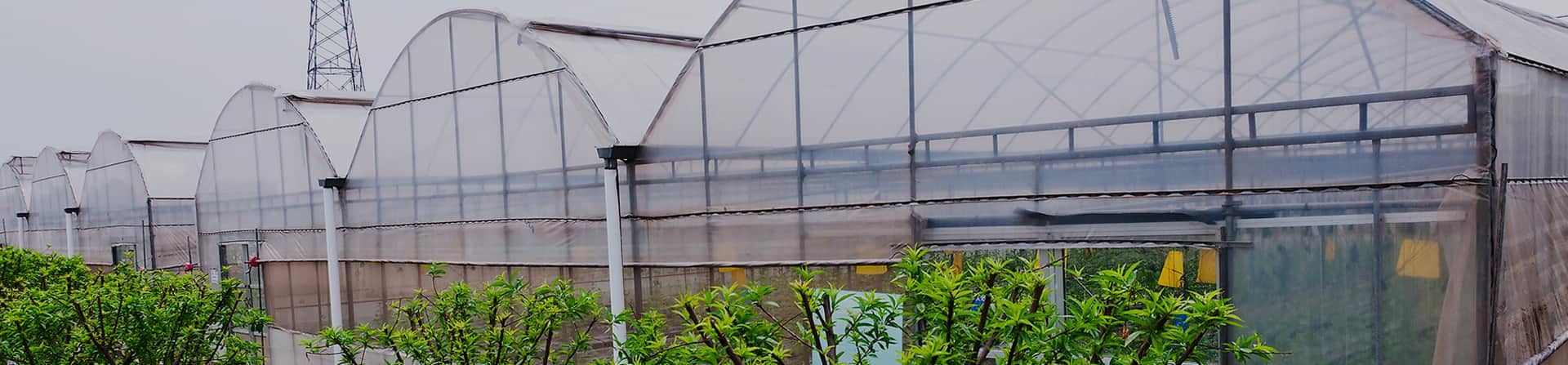
Enhancing Crop Protection with Plastic Knitted Polyethylene Bird Nets
In the realm of agricultural practices, protecting crops from avian threats is a significant concern for growers. One effective solution that has gained popularity is the use of plastic knitted polyethylene bird protection nets. These nets are designed to create a barrier that prevents birds from accessing precious crops, reducing potential damage and loss.
Plastic knitted polyethylene bird protection nets are made from high-quality polyethylene materials that offer a combination of durability and flexibility. This design is critical for ensuring that the nets can withstand various weather conditions, including strong winds and rain, while maintaining their structural integrity over time. The knitting process used in manufacturing these nets allows for a lightweight yet robust product, making installation and management simpler for farmers.
One of the primary benefits of using plastic knitted polyethylene nets is their versatility. They can be used in various agricultural settings, from small home gardens to large-scale commercial farms. Whether protecting fruit trees, vegetable patches, or grain fields, these nets can be customized to fit specific crop types and farm layouts. This adaptability makes them a popular choice among farmers looking to enhance their crop protection strategies.
Moreover, these nets are designed to be UV resistant, ensuring they do not degrade quickly when exposed to sunlight. This quality extends their lifespan and reduces the need for frequent replacements, making them a cost-effective solution in the long run. Additionally, the nets allow air, light, and rain to pass through while keeping birds out, ensuring that crops receive optimal growing conditions despite the protective barrier.
Another important aspect to consider is the environmental impact of using plastic knitted polyethylene bird protection nets. Unlike chemical pesticides or traps, these nets provide a non-toxic solution to bird management. This approach aligns with sustainable agricultural practices by minimizing chemical use and supporting healthier ecosystems. Farmers can protect their crops without harming beneficial wildlife or pollinators, which is essential for maintaining biodiversity.
When implementing plastic knitted polyethylene bird protection nets, it is crucial to ensure proper installation. Nets should be securely fastened to prevent birds from exploiting any gaps. Regular maintenance checks are also recommended to ensure the nets remain intact and functional throughout the growing season.
In conclusion, plastic knitted polyethylene bird protection nets are a valuable tool for farmers seeking to protect their crops from bird damage effectively. Their durability, versatility, and environmentally friendly nature make them an ideal choice for modern agricultural practices. By investing in these nets, farmers can enhance their crop yields while practicing sustainable farming methods.
Plastic knitted polyethylene bird protection nets are made from high-quality polyethylene materials that offer a combination of durability and flexibility. This design is critical for ensuring that the nets can withstand various weather conditions, including strong winds and rain, while maintaining their structural integrity over time. The knitting process used in manufacturing these nets allows for a lightweight yet robust product, making installation and management simpler for farmers.
One of the primary benefits of using plastic knitted polyethylene nets is their versatility. They can be used in various agricultural settings, from small home gardens to large-scale commercial farms. Whether protecting fruit trees, vegetable patches, or grain fields, these nets can be customized to fit specific crop types and farm layouts. This adaptability makes them a popular choice among farmers looking to enhance their crop protection strategies.
Moreover, these nets are designed to be UV resistant, ensuring they do not degrade quickly when exposed to sunlight. This quality extends their lifespan and reduces the need for frequent replacements, making them a cost-effective solution in the long run. Additionally, the nets allow air, light, and rain to pass through while keeping birds out, ensuring that crops receive optimal growing conditions despite the protective barrier.
Another important aspect to consider is the environmental impact of using plastic knitted polyethylene bird protection nets. Unlike chemical pesticides or traps, these nets provide a non-toxic solution to bird management. This approach aligns with sustainable agricultural practices by minimizing chemical use and supporting healthier ecosystems. Farmers can protect their crops without harming beneficial wildlife or pollinators, which is essential for maintaining biodiversity.
When implementing plastic knitted polyethylene bird protection nets, it is crucial to ensure proper installation. Nets should be securely fastened to prevent birds from exploiting any gaps. Regular maintenance checks are also recommended to ensure the nets remain intact and functional throughout the growing season.
In conclusion, plastic knitted polyethylene bird protection nets are a valuable tool for farmers seeking to protect their crops from bird damage effectively. Their durability, versatility, and environmentally friendly nature make them an ideal choice for modern agricultural practices. By investing in these nets, farmers can enhance their crop yields while practicing sustainable farming methods.
Key words:
Related News


CONTACT US
Email: sales8@meyabond.com
Tel: +8618911966213
No.3 Yard, ZhongHe Road, 100071,FengTai District, Beijing, China
Email: sales8@meyabond.com
Tel: +8618911966213
No.3 Yard, ZhongHe Road, 100071,FengTai District, Beijing, China
Meyabond Industry
You can trust.
Contact Us
Address:
No.3 Yard, ZhongHe Road, 100071,FengTai District, Beijing, China