


language
English
العربية
বাংলাদেশ
Български
Hrvatski
Česky
Dansk
Nederland
 Esperanto
Slovenski
Filipino
Suomi
Français
Maori
 Shqiptare
Georgian
 Euskara
Deutsch
Ελλάδα
ישראל
इंडिया
Magyarország
Ísland
Indonesia
Irlanda
Italia
日本語
Sovensko
Հայաստան
한국
Kyrgyz
ປະເທດລາວ
 Zulu
Zulu
Latvian
Lithuanian
Luxembourgish
 Latinus
Macedonian
Малайская
Maltese
Монгол улс
 Cymraeg
ဗမာ
 தமிழ்
தமிழ்
नेपाल
Norge
ایران
Polska
Portugal
România
Российская
Србија
 Slovak
Србија
 Slovak
Bosanski
Slovenian
Беларус
España
Sverige
Точик
ประเทศไทย
Türk
Azərbaycan
Uzbek
 Afrikaans
Việt Nam
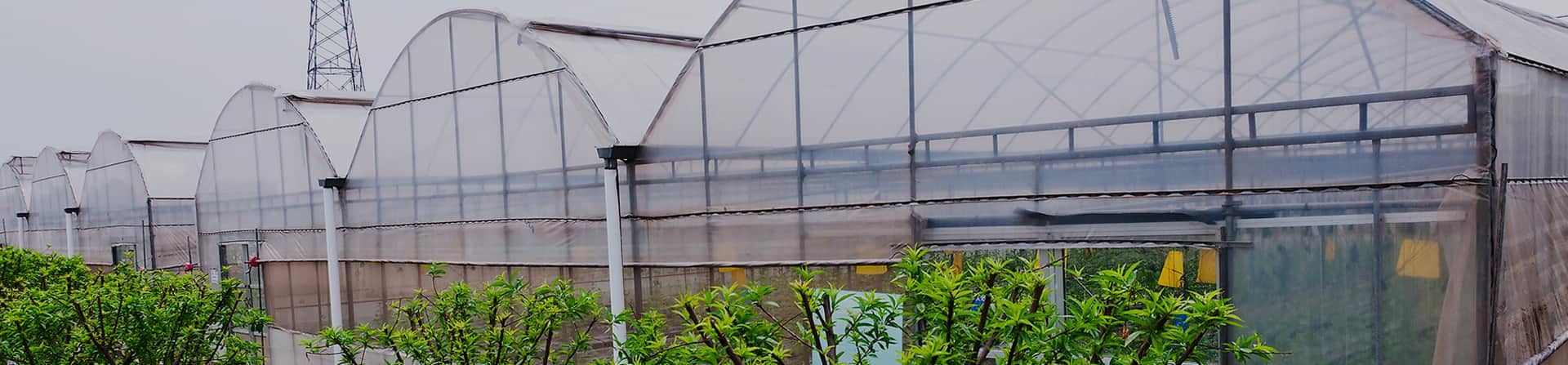
Why Every Grower Needs Anti Insect Tree Protection Nets: The Essential Guide for Modern Agriculture
Why Every Grower Needs Anti Insect Tree Protection Nets
In the world of agriculture, **protecting crops** from pests is one of the foremost challenges that growers face. With increasing awareness of sustainable farming practices and the need for environmental stewardship, many growers are turning to innovative solutions to ward off common threats to their crops. One such solution that has gained significant traction in recent years is the use of **anti-insect tree protection nets**. This article will delve into the various aspects of these protective nets, highlighting why they are essential for every grower.
Understanding Anti Insect Tree Protection Nets
Anti-insect tree protection nets are specifically designed to create a barrier between crops and harmful insects. Made from lightweight, breathable materials, these nets allow sunlight, air, and water to penetrate while preventing pests from accessing the plants. This section explores the structure, materials, and technology behind these protection nets.
Composition and Design
The primary materials used in anti-insect nets include polyethylene and polypropylene. These synthetic materials are durable, resistant to UV rays, and can withstand various weather conditions. The nets come in varying mesh sizes, designed to target specific pests while allowing beneficial insects and pollinators to thrive.
Benefits of Using Anti-Insect Nets
The advantages of implementing anti-insect tree protection nets are multifaceted. Here are some key benefits:
1. Enhanced Crop Yield and Quality
By effectively blocking harmful insects, growers can significantly reduce crop damage. This leads to better yields and improves the overall quality of fruits and vegetables. **Healthy plants translate to higher market value**, allowing growers to maximize their profit margins.
2. Reduction in Chemical Pesticides
Utilizing anti-insect nets can lead to a notable decrease in the reliance on chemical pesticides. With fewer chemicals in use, growers can adopt a more environmentally friendly approach. This not only benefits the ecosystem but also caters to consumer demand for organic and sustainably grown produce.
3. Protection of Beneficial Insects
While harmful pests are kept at bay, **anti-insect nets allow beneficial insects**, such as pollinators and predatory bugs, to thrive. Maintaining a balanced ecosystem is crucial for healthy crop production, and these nets facilitate that balance.
4. Cost-Effective Long-Term Solution
Although there is an initial investment associated with the purchase and installation of these nets, the long-term savings can be substantial. Reducing pest-related losses and lowering pesticide expenses leads to greater profitability over time.
Installation of Anti-Insect Tree Protection Nets
The effectiveness of anti-insect nets largely depends on proper installation. This section provides a step-by-step guide on how to effectively install these nets to ensure maximum protection for your crops.
Preparation and Planning
Before installation, it's essential to assess the area where the nets will be applied. Factors to consider include:
- **Type of Crop**: Different crops may require varying mesh sizes to effectively protect against specific pests.
- **Environmental Conditions**: Understanding local weather patterns can inform decisions on the durability and type of net required.
Step-by-Step Installation Process
1. **Measure the Area**: Accurately measure the dimensions of the crops to determine how much netting is necessary.
2. **Select the Right Mesh Size**: Choose a net that effectively targets the specific pests prevalent in your area.
3. **Anchor the Nets**: Use stakes or soil anchors to secure the netting around the perimeter of the crop area. Ensure that the netting is taut to prevent pests from sneaking in.
4. **Create Entry Points**: If needed, establish entry points for maintenance and harvesting. These can be designed with zippers or Velcro to maintain the integrity of the barrier.
5. **Regular Maintenance**: Periodically check the nets for any tears or sagging that could compromise their effectiveness. Quick repairs will ensure ongoing protection.
Common Misconceptions About Anti-Insect Nets
Despite their numerous benefits, there are several misconceptions surrounding anti-insect nets that can deter growers from utilizing them. Clarifying these misconceptions can pave the way for more widespread adoption.
Misconception 1: Anti-Insect Nets Are Only for Organic Farming
While many organic growers utilize anti-insect nets, they are beneficial for any farming method, conventional or otherwise. The reduction of pesticide use and environmental impact makes them attractive to all growers seeking sustainable practices.
Misconception 2: They Are Expensive and Not Worth the Investment
Although the initial cost may seem high, the long-term savings on pest control and increased yields make anti-insect nets a cost-effective solution.
Misconception 3: Nets Will Block Sunlight and Airflow
Quality anti-insect nets are designed to allow proper airflow and sunlight to penetrate, ensuring that crops receive the necessary nutrients for growth.
Encouraging Sustainable Agriculture with Anti-Insect Nets
As agricultural practices evolve, the push for sustainability has never been more crucial. Anti-insect nets play a pivotal role in this movement. This section explores how these nets contribute to sustainable farming.
Protecting Biodiversity
By creating a physical barrier against harmful insects, anti-insect nets help protect the rich diversity of ecosystems surrounding farms. This conservation of biodiversity is essential for maintaining soil health, pollinator populations, and the overall resilience of agricultural systems.
Reducing Chemical Runoff
With decreased pesticide application, the risks associated with chemical runoff into local waterways diminish. **Clean water sources** are vital for both environmental health and community sustainability.
The Future of Anti-Insect Tree Protection Nets in Agriculture
As technology advances, the future of anti-insect protection nets looks promising. Innovations are on the horizon that could enhance the effectiveness and versatility of these products.
Integration with Smart Farming Technologies
The incorporation of smart farming technologies, such as sensors and drones, can optimize net usage. For instance, sensors can monitor pest activity levels and provide real-time data, allowing growers to adjust their pest management strategies effectively.
Research and Development
Ongoing research into new materials and designs can lead to even more effective anti-insect nets. Collaborations between agricultural scientists and manufacturers will drive innovation, ensuring that growers have access to cutting-edge solutions.
FAQs About Anti Insect Tree Protection Nets
1. How long do anti-insect nets last?
Typically, high-quality anti-insect nets can last three to five years, depending on environmental conditions and maintenance.
2. Do I need to remove the nets during certain seasons?
In most cases, it is recommended to keep the nets in place throughout the growing season. However, during harvesting, you may need to remove or open sections of the netting.
3. Can anti-insect nets be reused?
Yes, if they are well-maintained and show no signs of damage, anti-insect nets can be reused in subsequent growing seasons.
4. Are there specific pests that these nets are more effective against?
Yes, anti-insect nets are particularly effective against common pests such as aphids, whiteflies, and cabbage worms.
5. How do I choose the right mesh size for my crops?
Choosing the right mesh size depends on the specific pests in your area. Research the common pests affecting your crops and select a net that effectively blocks them while allowing beneficial insects to pass through.
Conclusion
In conclusion, anti-insect tree protection nets represent a vital component of modern agricultural practices. Their ability to enhance crop quality and yield while promoting sustainable farming methods makes them an indispensable asset for growers. By investing in these nets, growers not only protect their crops but also contribute to a healthier ecosystem. As we continue to face challenges in agriculture, embracing innovative solutions like anti-insect nets will be paramount in ensuring our crops not only survive but thrive.
Key words:
Related News


CONTACT US
Email: sales8@meyabond.com
Tel: +8618911966213
No.3 Yard, ZhongHe Road, 100071,FengTai District, Beijing, China
Email: sales8@meyabond.com
Tel: +8618911966213
No.3 Yard, ZhongHe Road, 100071,FengTai District, Beijing, China
Meyabond Industry
You can trust.
Contact Us
Address:
No.3 Yard, ZhongHe Road, 100071,FengTai District, Beijing, China