


language
English
العربية
বাংলাদেশ
Български
Hrvatski
Česky
Dansk
Nederland
 Esperanto
Slovenski
Filipino
Suomi
Français
Maori
 Shqiptare
Georgian
 Euskara
Deutsch
Ελλάδα
ישראל
इंडिया
Magyarország
Ísland
Indonesia
Irlanda
Italia
日本語
Sovensko
Հայաստան
한국
Kyrgyz
ປະເທດລາວ
 Zulu
Zulu
Latvian
Lithuanian
Luxembourgish
 Latinus
Macedonian
Малайская
Maltese
Монгол улс
 Cymraeg
ဗမာ
 தமிழ்
தமிழ்
नेपाल
Norge
ایران
Polska
Portugal
România
Российская
Србија
 Slovak
Србија
 Slovak
Bosanski
Slovenian
Беларус
España
Sverige
Точик
ประเทศไทย
Türk
Azərbaycan
Uzbek
 Afrikaans
Việt Nam
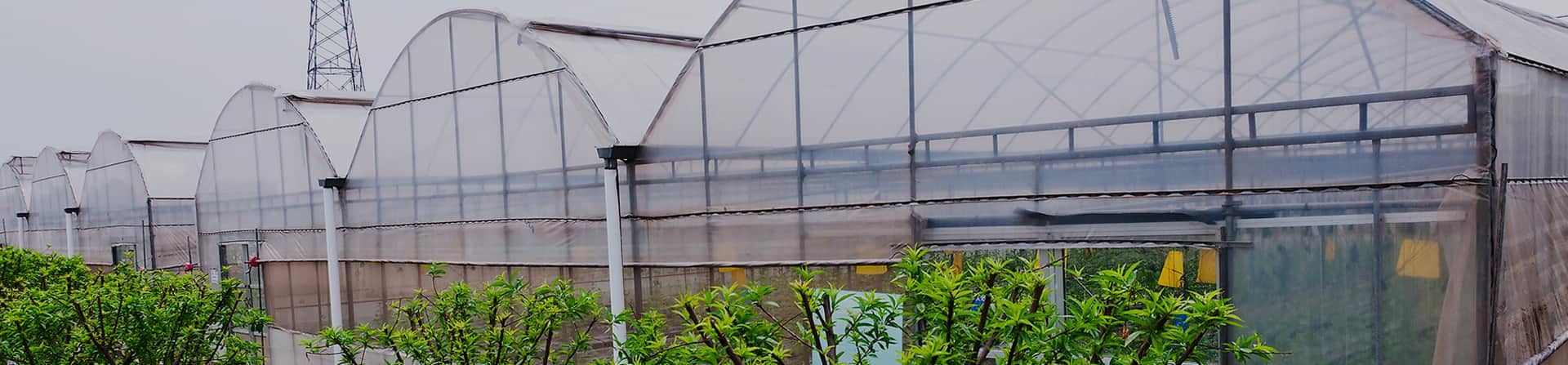
Essential Insights on Silo Protection Grids for Agricultural Facilities
In the agricultural sector, especially in the realm of facility agriculture, the importance of effective silo protection is paramount. Silo protection grids play a crucial role in safeguarding stored materials, ensuring both safety and quality. A silo protection grid is designed to prevent contamination, damage, and loss of stored grains and other agricultural products. Here, we delve into the key aspects of silo protection grids and how they contribute to the overall efficiency of agricultural operations.
One of the primary functions of silo protection grids is to enhance the structural integrity of silo systems. By preventing pests, debris, and moisture from entering the silo, these grids help to maintain the quality of the stored products. This is particularly important in agricultural settings where the preservation of grains and seeds is vital for both yield and profitability.
Moreover, silo protection grids are often constructed from durable materials that withstand the rigors of agricultural environments. Their design typically includes features that allow for easy installation and maintenance, making them a practical choice for facility operators. By implementing high-quality protection grids, agricultural facilities can minimize potential damage and loss, thereby optimizing their operational efficiency.
Another significant advantage of silo protection grids is their contribution to workplace safety. In agricultural facilities, the risk of accidents can arise from both the operational processes and the materials stored. Silo protection grids create a barrier that safeguards workers from potential hazards, such as falling debris or the accidental release of materials. This enhancement in safety not only protects workers but also aligns with best practices in agricultural management and compliance with industry regulations.
The efficiency gained by using silo protection grids also extends to logistical aspects. By ensuring that the contents of silos remain uncontaminated and in good condition, facilities can streamline their processes—reducing the need for frequent inspections and allowing for more accurate inventory management. This translates into better planning and execution of agricultural operations, ultimately leading to higher productivity.
As you consider the implementation of silo protection grids in your agricultural facilities, it is essential to prioritize quality and suitability for your specific needs. Assess your current systems and determine how these grids can enhance safety, preserve product quality, and improve operational efficiency.
In conclusion, silo protection grids are indispensable in modern agricultural practices, ensuring the safety and longevity of stored products while enhancing overall facility operations. By focusing on this vital aspect of agricultural infrastructure, you can significantly contribute to the success and sustainability of your agricultural business.
One of the primary functions of silo protection grids is to enhance the structural integrity of silo systems. By preventing pests, debris, and moisture from entering the silo, these grids help to maintain the quality of the stored products. This is particularly important in agricultural settings where the preservation of grains and seeds is vital for both yield and profitability.
Moreover, silo protection grids are often constructed from durable materials that withstand the rigors of agricultural environments. Their design typically includes features that allow for easy installation and maintenance, making them a practical choice for facility operators. By implementing high-quality protection grids, agricultural facilities can minimize potential damage and loss, thereby optimizing their operational efficiency.
Another significant advantage of silo protection grids is their contribution to workplace safety. In agricultural facilities, the risk of accidents can arise from both the operational processes and the materials stored. Silo protection grids create a barrier that safeguards workers from potential hazards, such as falling debris or the accidental release of materials. This enhancement in safety not only protects workers but also aligns with best practices in agricultural management and compliance with industry regulations.
The efficiency gained by using silo protection grids also extends to logistical aspects. By ensuring that the contents of silos remain uncontaminated and in good condition, facilities can streamline their processes—reducing the need for frequent inspections and allowing for more accurate inventory management. This translates into better planning and execution of agricultural operations, ultimately leading to higher productivity.
As you consider the implementation of silo protection grids in your agricultural facilities, it is essential to prioritize quality and suitability for your specific needs. Assess your current systems and determine how these grids can enhance safety, preserve product quality, and improve operational efficiency.
In conclusion, silo protection grids are indispensable in modern agricultural practices, ensuring the safety and longevity of stored products while enhancing overall facility operations. By focusing on this vital aspect of agricultural infrastructure, you can significantly contribute to the success and sustainability of your agricultural business.
Key words:
Related News

CONTACT US
Email: sales8@meyabond.com
Tel: +8618911966213
No.3 Yard, ZhongHe Road, 100071,FengTai District, Beijing, China
Email: sales8@meyabond.com
Tel: +8618911966213
No.3 Yard, ZhongHe Road, 100071,FengTai District, Beijing, China
Meyabond Industry
You can trust.
Contact Us
Address:
No.3 Yard, ZhongHe Road, 100071,FengTai District, Beijing, China