


language
English
العربية
বাংলাদেশ
Български
Hrvatski
Česky
Dansk
Nederland
 Esperanto
Slovenski
Filipino
Suomi
Français
Maori
 Shqiptare
Georgian
 Euskara
Deutsch
Ελλάδα
ישראל
इंडिया
Magyarország
Ísland
Indonesia
Irlanda
Italia
日本語
Sovensko
Հայաստան
한국
Kyrgyz
ປະເທດລາວ
 Zulu
Zulu
Latvian
Lithuanian
Luxembourgish
 Latinus
Macedonian
Малайская
Maltese
Монгол улс
 Cymraeg
ဗမာ
 தமிழ்
தமிழ்
नेपाल
Norge
ایران
Polska
Portugal
România
Российская
Србија
 Slovak
Србија
 Slovak
Bosanski
Slovenian
Беларус
España
Sverige
Точик
ประเทศไทย
Türk
Azərbaycan
Uzbek
 Afrikaans
Việt Nam
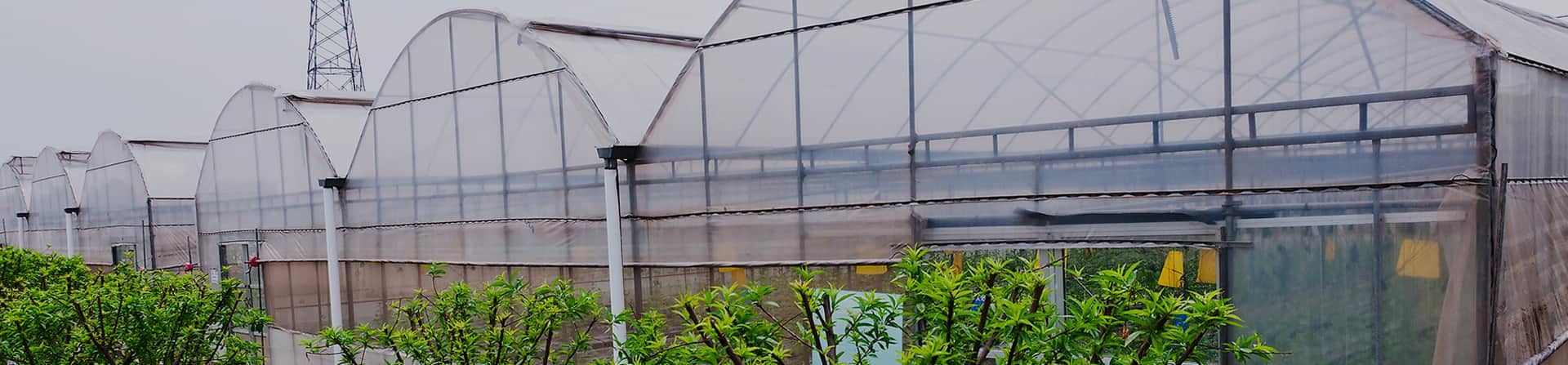
The Psychological Benefits of Shade for Both Plants and Farmers
The Psychological Benefits of Shade for Both Plants and Farmers
Table of Contents
- 1. Introduction to Shade in Agriculture
- 2. The Role of Shade in Plant Growth and Health
- 3. Psychological Advantages for Plants in Shaded Environments
- 4. The Impact of Shade on Farmer Wellbeing
- 5. Sustainable Practices in Shaded Farming
- 6. Case Studies on the Benefits of Shade in Agriculture
- 7. Common Misconceptions About Shade in Agriculture
- 8. Conclusion
- 9. FAQs
1. Introduction to Shade in Agriculture
In the world of agriculture, **shade plays a crucial role** in enhancing not only plant vitality but also the mental health of farmers. As we delve deeper into the **psychological benefits** of shade, it becomes evident that shaded environments create a serene atmosphere that supports both plant growth and farmer productivity. By understanding these benefits, we can harness shade as a tool for improved agricultural outcomes.
2. The Role of Shade in Plant Growth and Health
Shade affects plants in various ways, fundamentally altering their growth patterns. **Sunlight exposure** directly influences photosynthesis rates, but excess sunlight can lead to stress in plants. This stress manifests as wilted leaves, stunted growth, and ultimately lower yields.
**Shade structures**, such as shade cloths or natural canopies, help mitigate these issues. They create an optimal environment for photosynthesis while protecting plants from the harshness of direct sunlight. In shaded areas, plants often experience improved moisture retention, reduced temperature extremes, and enhanced nutrient absorption, which collectively foster healthier growth.
Temperature Regulation
One of the primary benefits of shade is its ability to regulate temperature. Plants exposed to extreme heat can suffer from heat stress, impacting their metabolic processes. Shade helps maintain a more stable temperature range, allowing plants to thrive without experiencing the detrimental effects of excessive heat.
Moisture Retention
In addition to temperature regulation, shade plays a significant role in moisture retention. Shaded areas generally have a lower evaporation rate, which conserves soil moisture. This is especially beneficial for crops that require consistent hydration, leading to improved growth and productivity.
3. Psychological Advantages for Plants in Shaded Environments
Plants exhibit behavioral responses to their environments, analogous to psychological reactions in humans. Shaded environments can significantly impact plant behavior, leading to enhanced vitality and resilience.
Stress Reduction in Plants
Just as humans feel less stressed in a calm environment, plants experience reduced stress levels in shaded conditions. **Reduced light intensity** can lead to lower rates of transpiration, minimizing water loss and stress. This allows plants to focus their energy on growth rather than survival.
Enhanced Growth Patterns
In shaded environments, plants often exhibit **more robust growth patterns**. This can be attributed to less competition for light, enabling them to allocate resources more efficiently. As a result, shaded plants tend to develop stronger root systems, increased leaf area, and a higher overall biomass.
4. The Impact of Shade on Farmer Wellbeing
The psychological benefits of shade extend beyond plants to farmers themselves. Working in shaded areas can lead to significant improvements in mental health and overall well-being.
Reduction of Heat Stress
Farmers working under shade experience less exposure to heat, which can lead to **heat-related illnesses**. By providing a cooler work environment, shade reduces fatigue and enhances productivity. Farmers often report feeling more comfortable and energized when working in shaded conditions.
Improved Mood and Mental Health
The mental health benefits of working in shaded areas cannot be overstated. Exposure to natural light is known to improve mood and mental clarity; however, too much direct sunlight can lead to discomfort and irritability. Shaded environments promote a more relaxed atmosphere, allowing farmers to focus on their tasks without the stress of excessive heat.
5. Sustainable Practices in Shaded Farming
Integrating shade into agricultural practices not only benefits plant health but can also promote sustainable farming techniques.
Agroforestry Systems
Agroforestry systems, which incorporate trees into crop production, provide shade while enhancing biodiversity. These systems create a multi-layered ecosystem, allowing for improved soil health and pest control, leading to sustainable agricultural practices.
Crop Rotation and Diversification
Implementing shade structures enables better crop rotation and diversification. By rotating crops in shaded areas, farmers can improve soil fertility and reduce the risk of pests and diseases. This practice allows for more sustainable yields and less reliance on chemical inputs.
6. Case Studies on the Benefits of Shade in Agriculture
Numerous studies highlight the advantages of incorporating shade into agricultural practices.
Case Study 1: Coffee Plantations
Research conducted in coffee plantations illustrates that shaded coffee plants yield higher quality beans and greater overall production. The shade helps regulate temperature and moisture, creating an ideal environment for coffee growth.
Case Study 2: Vegetable Production
In vegetable production, shaded environments have demonstrated increased yield and quality for various crops, including lettuce and spinach. These vegetables thrive in cooler conditions, leading to enhanced flavor and nutritional content.
7. Common Misconceptions About Shade in Agriculture
Despite the numerous benefits of shade, several misconceptions persist within the agricultural community.
Myth 1: Shade Hinders Growth
One prevalent myth is that shade hinders plant growth. In reality, appropriate shade can enhance growth by protecting plants from heat stress and conserving moisture.
Myth 2: Shade is Only Necessary in Hot Climates
While shade is particularly beneficial in hot climates, it also plays a vital role in temperate regions. Even moderate temperatures can lead to stress in sensitive crops, making shade an essential component of sustainable farming practices everywhere.
8. Conclusion
Understanding the **psychological benefits of shade** for both plants and farmers reveals its critical role in sustainable agricultural practices. By providing a conducive environment for plant growth and promoting farmer well-being, shade can significantly enhance productivity and yield quality. As we embrace the advantages of shade in agriculture, we pave the way for more sustainable and resilient farming practices.
9. FAQs
1. How does shade benefit plant health?
Shade reduces stress, regulates temperature, and conserves moisture, leading to healthier growth for plants.
2. What are the psychological benefits of shade for farmers?
Shade enhances comfort, reduces fatigue, and improves mood and mental clarity, contributing to overall farmer wellbeing.
3. Can shade structures improve crop yield?
Yes, shade structures can enhance crop yield by creating an optimal growth environment, reducing heat stress, and conserving moisture.
4. Are there specific crops that benefit more from shade?
Crops such as coffee, lettuce, and spinach have shown significant improvements in yield and quality when grown in shaded environments.
5. How can farmers incorporate shade into their practices?
Farmers can implement shade structures, adopt agroforestry systems, and utilize crop rotation strategies to integrate shade effectively into their farming practices.
Key words:
Related News

CONTACT US
Email: sales8@meyabond.com
Tel: +8618911966213
No.3 Yard, ZhongHe Road, 100071,FengTai District, Beijing, China
Email: sales8@meyabond.com
Tel: +8618911966213
No.3 Yard, ZhongHe Road, 100071,FengTai District, Beijing, China
Meyabond Industry
You can trust.
Contact Us
Address:
No.3 Yard, ZhongHe Road, 100071,FengTai District, Beijing, China