


language
English
العربية
বাংলাদেশ
Български
Hrvatski
Česky
Dansk
Nederland
 Esperanto
Slovenski
Filipino
Suomi
Français
Maori
 Shqiptare
Georgian
 Euskara
Deutsch
Ελλάδα
ישראל
इंडिया
Magyarország
Ísland
Indonesia
Irlanda
Italia
日本語
Sovensko
Հայաստան
한국
Kyrgyz
ປະເທດລາວ
 Zulu
Zulu
Latvian
Lithuanian
Luxembourgish
 Latinus
Macedonian
Малайская
Maltese
Монгол улс
 Cymraeg
ဗမာ
 தமிழ்
தமிழ்
नेपाल
Norge
ایران
Polska
Portugal
România
Российская
Србија
 Slovak
Србија
 Slovak
Bosanski
Slovenian
Беларус
España
Sverige
Точик
ประเทศไทย
Türk
Azərbaycan
Uzbek
 Afrikaans
Việt Nam
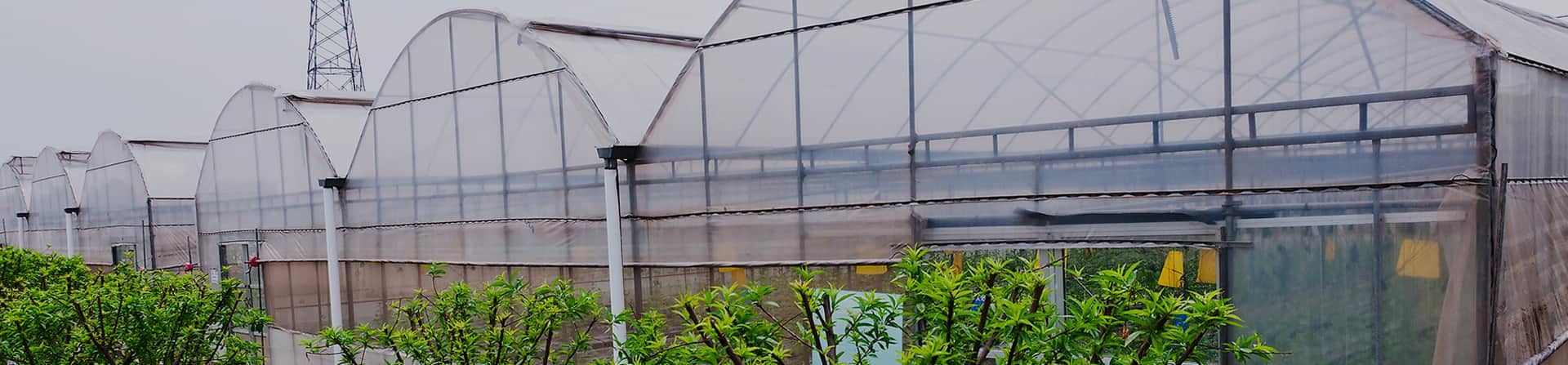
Discover How Anti Hail Nets Significantly Boost Agricultural Productivity
Discover How Anti Hail Nets Significantly Boost Agricultural Productivity
Introduction to Anti Hail Nets in Agriculture
The agricultural industry faces numerous challenges, including unpredictable weather patterns that can devastate crops. Among these challenges, hailstorms pose a significant threat, often leading to substantial economic losses for farmers. In response to this issue, **anti hail nets** have emerged as a vital solution that enhances agricultural productivity. This article will explore the multifaceted benefits of these nets, including their impact on crop protection and yield improvement.
Understanding Anti Hail Nets: What Are They?
Anti hail nets are specialized protective coverings designed to shield crops from hail damage. Typically made from high-quality polyethylene or polypropylene materials, these nets are engineered to withstand harsh weather conditions while allowing sunlight and air to reach the plants. The primary function of anti hail nets is to act as a barrier against hail, preventing physical damage to crops and promoting healthier growth.
The Composition and Design of Anti Hail Nets
Anti hail nets come in various designs and strengths to suit different agricultural needs. The key features include:
- **Material Durability**: Most nets are UV-stabilized to resist deterioration from sunlight exposure.
- **Mesh Size**: The mesh is designed to block hail while permitting sunlight and rain, ensuring optimal conditions for crop growth.
- **Color Options**: Light-colored nets reflect sunlight, reducing heat stress on plants, while darker colors may provide better shade.
Types of Anti Hail Nets
There are two primary types of anti hail nets used in agriculture:
1. **Fixed Anti Hail Nets**: These nets are permanently installed over crops and provide continuous protection.
2. **Mobile Anti Hail Nets**: These can be deployed when a hailstorm is forecasted and retracted afterward, allowing flexibility based on weather conditions.
The Impact of Anti Hail Nets on Crop Yield
The introduction of anti hail nets significantly contributes to improved crop yields. Studies have shown that crops protected by these nets experience less physical damage, leading to higher harvest quality and quantity.
How Anti Hail Nets Prevent Crop Damage
- **Physical Barrier**: Anti hail nets absorb the impact of hail, preventing it from reaching the crops.
- **Wind Protection**: By acting as a windbreak, these nets help reduce mechanical damage caused by strong gusts, ensuring plants remain upright and healthy.
- **Temperature Regulation**: The nets create a microclimate that can protect plants from extreme temperatures, reducing stress on crops.
Real-World Case Studies of Increased Yields
Several studies across various regions have documented the effectiveness of anti hail nets. In one case in Italy, vineyards protected by anti hail nets reported a **30% increase** in grape yields compared to unprotected vineyards. Similar results have been observed in fruit orchards and vegetable farms, showcasing the nets' effectiveness across different types of crops.
Sustainable Farming Practices Enhanced by Anti Hail Nets
The use of anti hail nets aligns with sustainable farming practices. By protecting crops from hail and reducing losses, farmers can decrease their reliance on chemical treatments and other costly measures.
Benefits of Sustainable Agriculture with Anti Hail Nets
- **Reduced Chemical Use**: Fewer damaged crops lead to less need for pesticides, herbicides, and fertilizers.
- **Conservation of Resources**: Increased yields per acre mean less land is needed for farming, helping to conserve natural ecosystems.
- **Economic Viability**: Farmers who use anti hail nets can enjoy more stable income flows due to reduced losses from weather events.
Installation and Maintenance of Anti Hail Nets
Proper installation and maintenance of anti hail nets are crucial to maximizing their efficiency and lifespan.
Installation Guidelines for Anti Hail Nets
1. **Site Selection**: Choose a location that allows for adequate sunlight penetration while providing natural windbreaks if possible.
2. **Support Structure**: Install a sturdy support frame made of galvanized steel or wood to withstand environmental stresses.
3. **Net Tensioning**: Ensure that the nets are taut to prevent sagging, which can reduce their protective capabilities.
Routine Maintenance Tips
- **Regular Inspections**: Check for signs of wear and tear regularly, especially after severe weather events.
- **Cleaning**: Remove debris and dirt to maintain light penetration through the nets.
- **Repairs**: Address any tears or damages promptly to ensure continued protection.
Cost-Benefit Analysis of Anti Hail Nets
Investing in anti hail nets often requires a significant upfront cost, but the long-term benefits usually outweigh the expenses.
Initial Investment vs. Long-term Gains
- **Cost of Installation**: Depending on the size and type of netting, installation costs can vary widely, averaging between $1,500 to $3,000 per acre.
- **Increased Revenue**: With enhanced crop yields and reduced losses, farmers can expect an increase in revenue that can pay back the initial investment within a few years.
- **Insurance Premium Reduction**: Utilizing anti hail nets can lead to lower crop insurance premiums, further enhancing overall savings.
Frequently Asked Questions (FAQs)
1. What crops are best protected by anti hail nets?
Anti hail nets are effective for a wide range of crops, including fruits (like grapes and cherries), vegetables (like tomatoes and peppers), and ornamental plants.
2. How long do anti hail nets last?
With proper installation and maintenance, anti hail nets can last anywhere from 5 to 15 years, depending on the quality of the material and environmental conditions.
3. Are anti hail nets environmentally friendly?
Yes, anti hail nets contribute to sustainable farming by reducing the need for chemical treatments and enhancing crop protection without harming wildlife.
4. Can anti hail nets be used in combination with other protective measures?
Absolutely! Farmers can use anti hail nets alongside other protective measures such as frost protection covers or shade nets for comprehensive crop protection.
5. How do I determine the right type of anti hail net for my farm?
Consider factors such as local weather patterns, the types of crops you grow, budget, and whether you prefer a fixed or mobile system to choose the most suitable anti hail net.
Conclusion
In conclusion, anti hail nets represent a transformative innovation in agricultural practices, providing a robust solution to the challenges posed by hailstorms. By safeguarding crops, enhancing yields, and promoting sustainable farming, these nets have become indispensable tools for farmers aiming to boost productivity and ensure economic viability. Investing in anti hail nets not only protects crops but also contributes to the overall sustainability of agricultural practices, making them a wise choice for modern farming initiatives. As weather patterns continue to become increasingly unpredictable, the adoption of such protective measures will likely become even more critical in preserving the integrity and productivity of agricultural lands.
Key words:
Related News
CONTACT US
Email: sales8@meyabond.com
Tel: +8618911966213
No.3 Yard, ZhongHe Road, 100071,FengTai District, Beijing, China
Email: sales8@meyabond.com
Tel: +8618911966213
No.3 Yard, ZhongHe Road, 100071,FengTai District, Beijing, China
Meyabond Industry
You can trust.
Contact Us
Address:
No.3 Yard, ZhongHe Road, 100071,FengTai District, Beijing, China