


language
English
العربية
বাংলাদেশ
Български
Hrvatski
Česky
Dansk
Nederland
 Esperanto
Slovenski
Filipino
Suomi
Français
Maori
 Shqiptare
Georgian
 Euskara
Deutsch
Ελλάδα
ישראל
इंडिया
Magyarország
Ísland
Indonesia
Irlanda
Italia
日本語
Sovensko
Հայաստան
한국
Kyrgyz
ປະເທດລາວ
 Zulu
Zulu
Latvian
Lithuanian
Luxembourgish
 Latinus
Macedonian
Малайская
Maltese
Монгол улс
 Cymraeg
ဗမာ
 தமிழ்
தமிழ்
नेपाल
Norge
ایران
Polska
Portugal
România
Российская
Србија
 Slovak
Србија
 Slovak
Bosanski
Slovenian
Беларус
España
Sverige
Точик
ประเทศไทย
Türk
Azərbaycan
Uzbek
 Afrikaans
Việt Nam
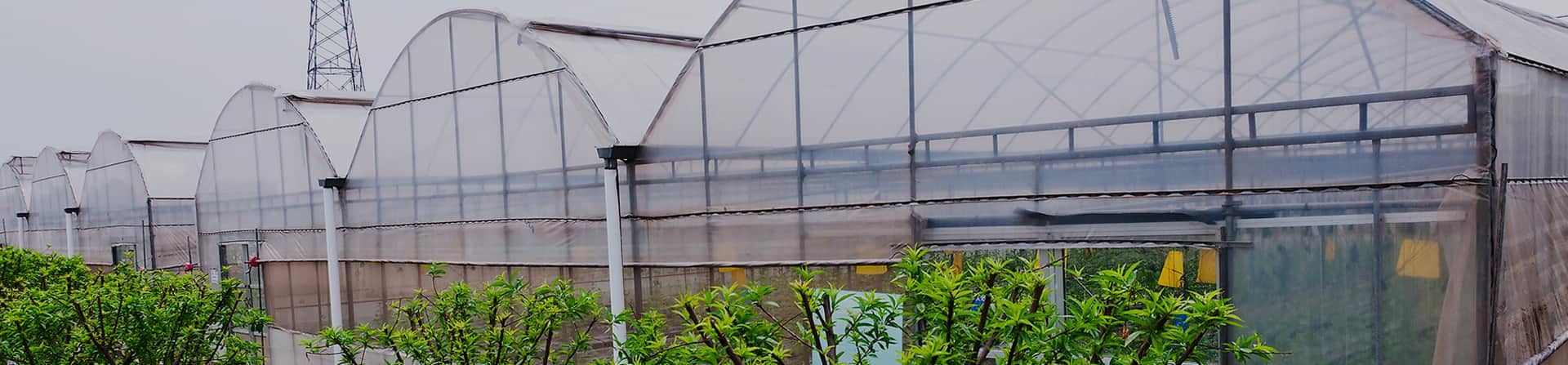
Why Silage Coverage 220 is Essential for Modern Farming
Why Silage Coverage 220 is Essential for Modern Farming
Table of Contents
- Introduction to Silage Coverage 220
- Benefits of Silage Coverage 220
- Applications of Silage Coverage 220
- How Silage Coverage 220 Works
- Choosing the Right Silage Coverage
- Frequently Asked Questions
- Conclusion
Introduction to Silage Coverage 220
Silage Coverage 220 is fast becoming a cornerstone in modern agricultural practices. This innovative technology addresses the need for efficient crop management, primarily focusing on preserving fodder quality and increasing agricultural output. With the increasing global demand for food and the need for sustainable farming solutions, understanding Silage Coverage 220 is crucial for farmers looking to enhance their operations.
Benefits of Silage Coverage 220
Farmers are constantly seeking ways to improve productivity and sustainability in their operations. Silage Coverage 220 offers several significant advantages that can transform farming practices.
Enhanced Nutritional Value
Silage Coverage 220 plays a pivotal role in maintaining the nutritional integrity of feed. By ensuring optimal fermentation conditions, it helps to retain essential nutrients, vitamins, and minerals in the silage. This enhancement not only improves the health of livestock but also contributes to better meat and milk production.
Improved Crop Yield
Modern farmers face the challenge of maximizing crop yield while minimizing resource use. Silage Coverage 220 enhances the fermentation process, which leads to better feed conversion ratios. As a result, farmers can expect increased productivity and profitability, making it a valuable investment.
Sustainability in Farming
With growing concerns about environmental impact, adopting sustainable practices has become essential. Silage Coverage 220 contributes to sustainability by reducing waste and ensuring that every part of the crop is utilized effectively. This not only benefits the farmer's bottom line but also supports broader ecological goals.
Applications of Silage Coverage 220
Silage Coverage 220 is versatile and applicable in various agricultural scenarios, particularly in livestock farming.
Dairy Farming
In dairy farming, high-quality silage is critical for producing nutrient-rich milk. Silage Coverage 220 ensures that the feed provided to dairy cows is of the highest possible quality, leading to improved milk yield and better overall herd health.
Beef Production
For beef production, the quality of feed directly affects the growth and weight gain of cattle. Silage Coverage 220 allows farmers to produce high-quality silage that promotes faster weight gain and healthier animals, leading to better market returns.
How Silage Coverage 220 Works
The mechanics of Silage Coverage 220 involve a combination of advanced fermentation techniques and specialized equipment. This ensures that the silage retains its nutrient value while being stored for extended periods.
The technology typically includes **aerobic and anaerobic fermentation processes**, which create an ideal environment for lactic acid bacteria to thrive. This process effectively inhibits the growth of spoilage organisms and pathogens, resulting in high-quality feed for livestock.
Choosing the Right Silage Coverage
When it comes to choosing Silage Coverage 220, farmers should consider several factors:
1. **Crop Type**: Different crops may require specific silage coverage techniques for optimal results.
2. **Storage Conditions**: The environment where the silage will be stored plays a crucial role in its preservation.
3. **Livestock Requirements**: Different animals have varying nutritional needs, influencing the type of silage coverage to use.
By understanding these factors, farmers can select the optimal Silage Coverage 220 solutions tailored to their specific needs.
Frequently Asked Questions
1. What is Silage Coverage 220?
Silage Coverage 220 is an innovative method designed to enhance the quality and preservation of silage through optimal fermentation techniques, ensuring high nutritional value for livestock.
2. How does Silage Coverage 220 improve feed quality?
It improves feed quality by promoting the growth of beneficial bacteria during fermentation, which helps to retain nutrients and minimize spoilage.
3. Can Silage Coverage 220 be used for all types of crops?
It is adaptable to various crops, but specific coverage techniques may suit certain types better than others. Consultation with a specialist can help determine the best approach.
4. What are the economic benefits of using Silage Coverage 220?
The economic benefits include increased crop yield, better livestock health, optimized feed usage, and ultimately, higher market returns.
5. How can I implement Silage Coverage 220 on my farm?
To implement Silage Coverage 220, farmers should assess their current practices, choose the right coverage method, and potentially consult with agricultural specialists to ensure optimal results.
Conclusion
Silage Coverage 220 stands out as an essential component in modern farming, offering numerous benefits that improve both efficiency and sustainability. By understanding its significance, applications, and how to implement it effectively, farmers can harness its advantages to enhance productivity and meet the increasing demands of the agricultural sector. Embracing this innovative technology can ultimately lead to healthier livestock, higher crop yields, and a more sustainable farming future.
Key words:
Related News


CONTACT US
Email: sales8@meyabond.com
Tel: +8618911966213
No.3 Yard, ZhongHe Road, 100071,FengTai District, Beijing, China
Email: sales6@meyabond.com
Tel: +8618911963856
No.3 Yard, ZhongHe Road, 100071,FengTai District, Beijing, China
Meyabond Industry
You can trust.
Contact Us
Address:
No.3 Yard, ZhongHe Road, 100071,FengTai District, Beijing, China